
During the last years, many studies has proven shipping to be a viable competitor to pipeline transport of CO2. Evidence indicates a new emerging contender to the two previous alternatives.
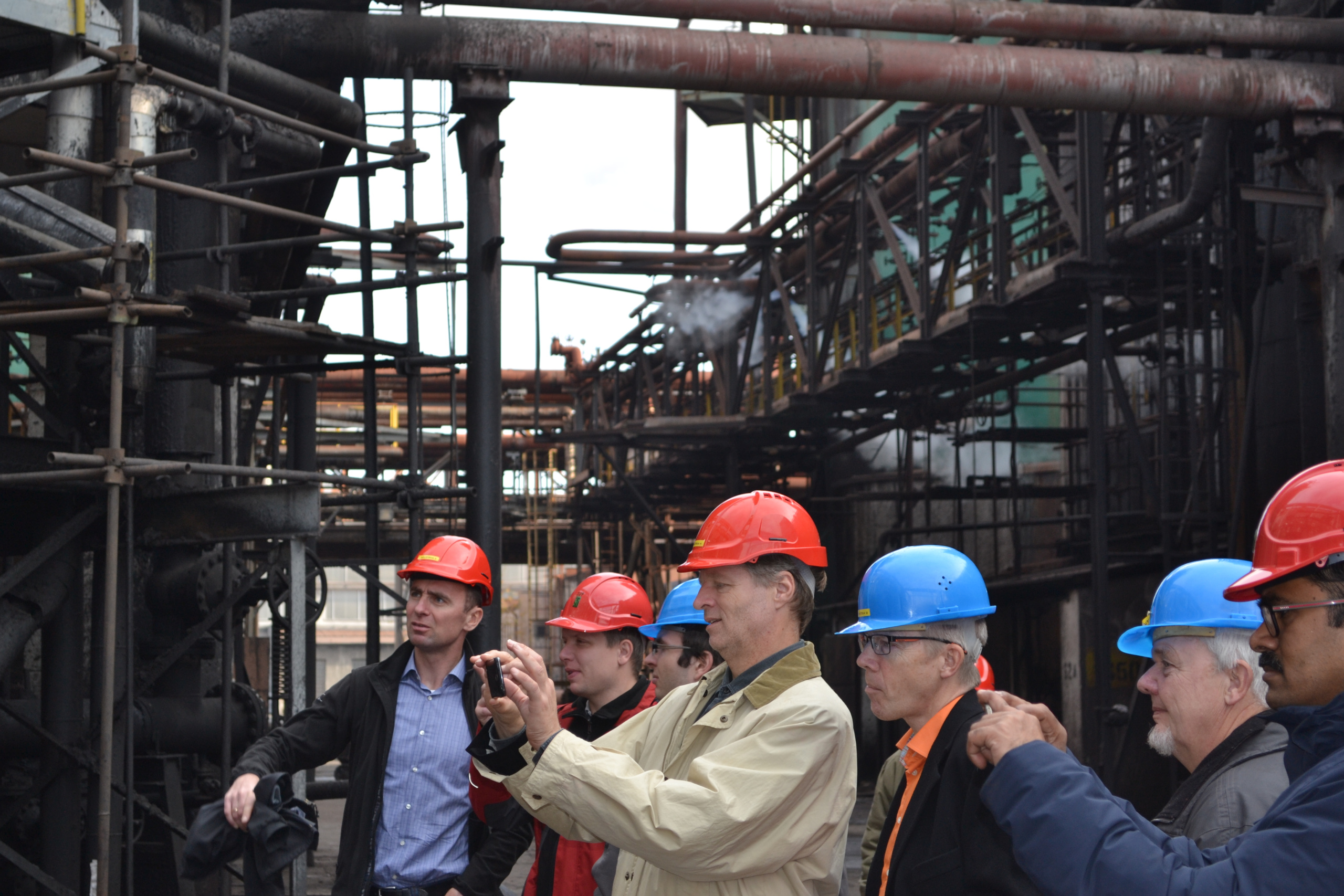
PilotCCS is a Czech-Norwegian project funded through the Norway Grants. Using the Vresová IGCC power plant as an example, it deals with the technical and economic feasibility of applying CCS in the Czech Republic. The scientists have found that there are several benefits of transporting CO2 by train. First, train transport have a behaviour very similar to ship transport of CO2, in terms of cost trend, which makes it attractive to transport small to medium quantities of CO2 over medium to long distances – that could be a key to ensure CCS from small CO2 emitters. In addition, train transport can take advantage of the strong European railway infrastructure and be a flexible option for transport of CO2 inland. By using existing railways, one avoids the challenge of necessary large investment costs to build new infrastructure, which is necessary for pipeline transport. Accordingly, train transport limits the financial risk associated with CCS, and can help binding together a European CCS infrastructure.
Finally, and importantly, while pipelines in some cases faces the challenges of social acceptance, tanked transport of gas and liquid such as train transport are likely to gain broader public acceptance.
A unique project

Research Scientist Geir Skaugen at SINTEF Energy Research has been working on the PilotCCS since the project’s beginning. Geir presented the preliminary results at the 13th Conference on Greenhouse Gas Control Technologies (GHGT) in Lausanne on 15th October. For the unaware: this is the place to be if you are dealing with and/or have an interest for carbon capture and storage. The conference attracts scientists and stakeholders from all over the world to discuss the status and way forward for CCS. Geir received great interest and questions on his presentation. The audience highlighted the project’s originality and they thought it provides a new way of looking at how we can realize CO2 transport in Europe.
Waiting for the next H2020 Work Programme
PilotCCS is in its final stages, and the researchers are now seeking new opportunities to further develop and mature knowledge on train-based CO2 transport. Indeed, several aspects could be further studied in order to reduce the cost of train-based transport and fully enable it as a real complementary to CO2 shipping and pipelines. Hopefully, the Horizon 2020 program will offer such an opportunity.
Interested in the development of CO2 infrastructure in Europe?” Read about the Horizon 2020 project GATEWAY








Comments
No comments yet. Be the first to comment!