
Skip to content

SINTEF Blog Gå til forsiden

  • Energy
  • Ocean
  • Digital
  • Health
  • Industry
  • Climate and environment
  • Building
  • Society
  • EN
  • NO
Energy

Is heating with wood eco-friendly?

Winter is upon us once again, and with it come questions and opinions about heating with wood. Is it eco-friendly? Is it climate-friendly?

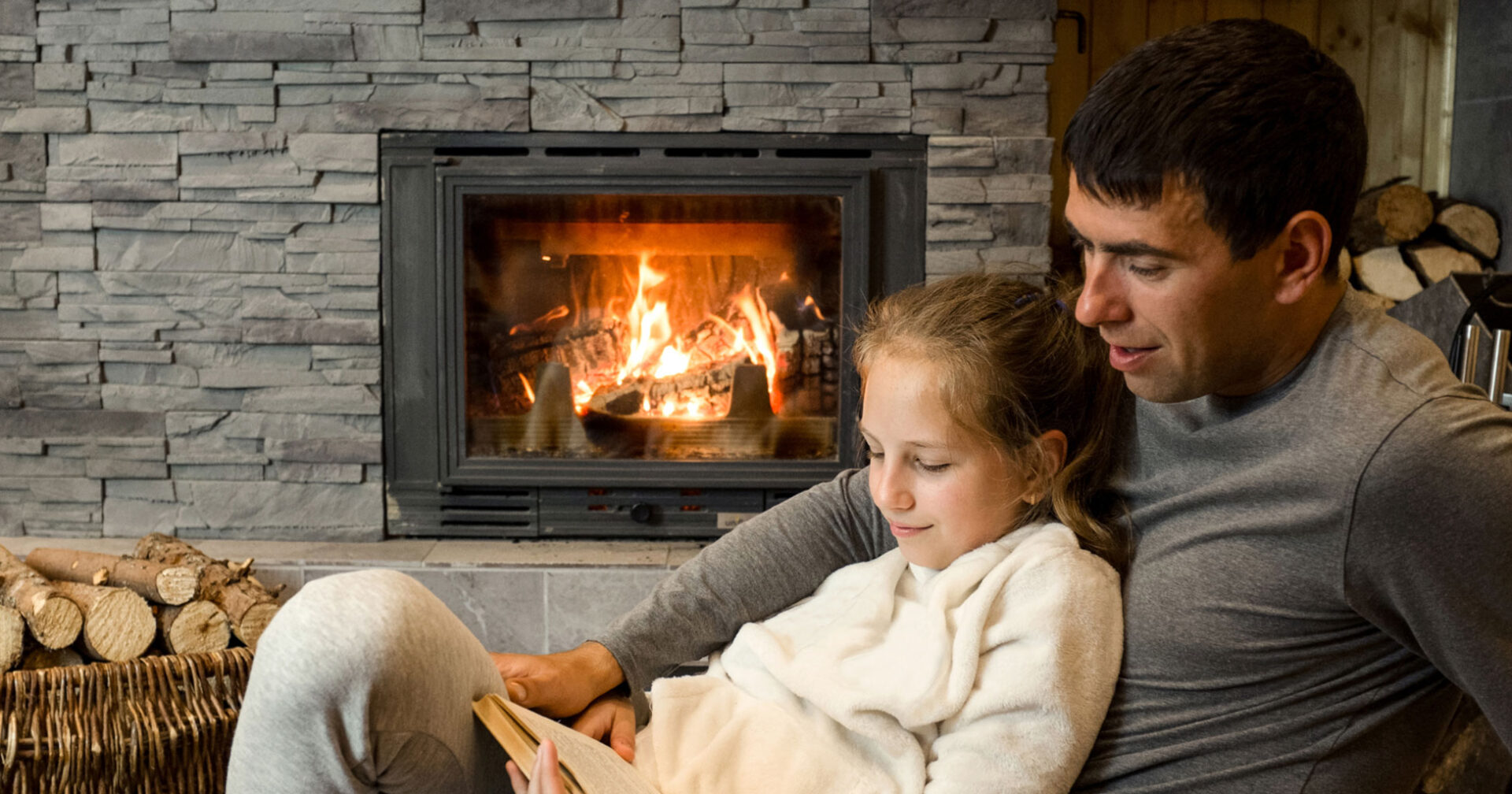
Far og datter foran peis
author
Øyvind Skreiberg
Chief Scientist
Published: 19. Nov 2020 | Last edited: 8. Apr 2025
2 min. reading
Comments (0)

SINTEF has been striving for many decades to improve the eco and climate-friendliness of heating with wood. All new wood stoves sold in Norway since 1998 are so-called clean-burning stoves, and respect all applicable norms regarding security and emissions.

What you can do: upgrade your stove

Klimakur 2030 (link in Norwegian) has analysed greenhouse gas emissions from wood stoves, primarily methane (CH4) emissions, which accounts for the lion’s share of wood heating’s climate footprint. Old stoves are being replaced slowly but surely, which contributes to a reduction of greenhouse gas emissions. But Klimakur 2030 proposes a mandatory replacement of old stoves.

In any case, if you have an old wood burning stove and replace it with a newer one, you are doing the environment a big favour. Note however that all new stoves are not created equal: there’s a big difference between the best newer stoves and the average new ones – making it all the more important to look for the ones with the lowest emissions.

Want to learn even more about wood stoves, heating with wood and Klimakur 2030? Read this blog: Wood stoves and wood-burning – how to ensure “hygge”, heating comfort and eco-friendliness

What you can do: light it up correctly!

Heating with wood is an age-old tradition, and even today it remains an important source of heat in the winter months, as well as a source of Scandinavian “hygge” for many people.

If your neighbour has a fire going and the smoke smell is easily noticeable, you can reasonably assume that the eco-friendliness of that fire is questionable. In practice, there are many reasons behind wood smoke smell, and one of the biggest is often the human factor. Your cherished wood stove is in fact a small combustion furnace, complete with its air supply and control systems. If these fail, an eco-friendly fire can quickly become a more polluting one.

As well as doing research to make wood stoves more eco-friendly, SINTEF has also been raising awareness about the proper way to build a fire – what should and shouldn’t be done, from an environmental perspective. This 18 second video explains how to build a fire in an eco-friendly way.

Comments

No comments yet. Be the first to comment!

Leave a comment Cancel reply

Your email address will not be published. Required fields are marked *

More about Energy

Infographic showing the flow of thermal energy storage (TES) from surplus heat or cold to end users. On the left, red and blue thermometer icons represent surplus heat and cooling, accompanied by the text “Surplus heat or cold – Captured and stored for when it’s needed.” In the centre, a large panel titled “Thermal Energy Storage (TES)” presents three storage technologies. The top section, “Sensible TES,” shows a container with a thermometer and the text “Stores heat in one single phase.” The middle section, “Latent TES,” shows a water droplet and snowflake connected by circular arrows, with the text “Stores heat through phase change.” The bottom section, “Thermochemical TES,” shows two connected coloured circles that separate and reconnect, illustrating a reversible reaction, with the text “Stores heat through reversible reactions.” A large pale arrow-shaped wedge points from the TES panel toward the right side of the figure. On the right, three application areas are shown in separate boxes with icons: industrial processes, buildings, and data centres. The layout conveys that surplus heat or cold can be stored using sensible, latent, or thermochemical TES technologies and later supplied to industrial facilities, buildings, and data centres.

Thermal energy storage is already commercial  

Jorge Salgado Beceiro
Research Manager

Burning ammonia cleanly: How timing changes everything 

Author Image
Author Image
2 forfattere

Capturing CO₂ from waste: 14 lessons on turning a hard idea into a real project

Author Image
Author Image
Author Image
3 forfattere

Technology for a better society

  • About this blog
  • How to write a science blog
  • Sign up for our newsletter
  • News from NTNU and SINTEF
  • Facebook
Gå til SINTEF.no
SINTEF logo
© 2026 SINTEF Foundation
Privacy Editorial Press contacts Website by Headspin