

At the FME HighEFF research centre, we intend to facilitate implementation of world-class processes for surplus heat utilization, in collaboration with other research centres, the business community and public sector interests.
Among the characteristics and key competitive advantages of Norwegian industry are its world-class, energy-efficient industrial processes. Energy-efficient processes result in low levels of direct and indirect CO2 emissions, and are also cost-effective.
Exploiting surplus heat
One main area of focus in the continued improvement of energy efficiency is the use of surplus heat from steam and waste gases for direct heating purposes, or for the conversion of surplus heat energy into electrical power by means of a so-called ‘heat-to-power’ process.
The use of surplus heat for direct heating exhibits the highest levels of energy efficiency. However, in areas where the source of surplus heat is far removed from the heat needs, or lack of heat needs, power generation is a potential option that offers high levels of flexibility in terms of energy recycling.
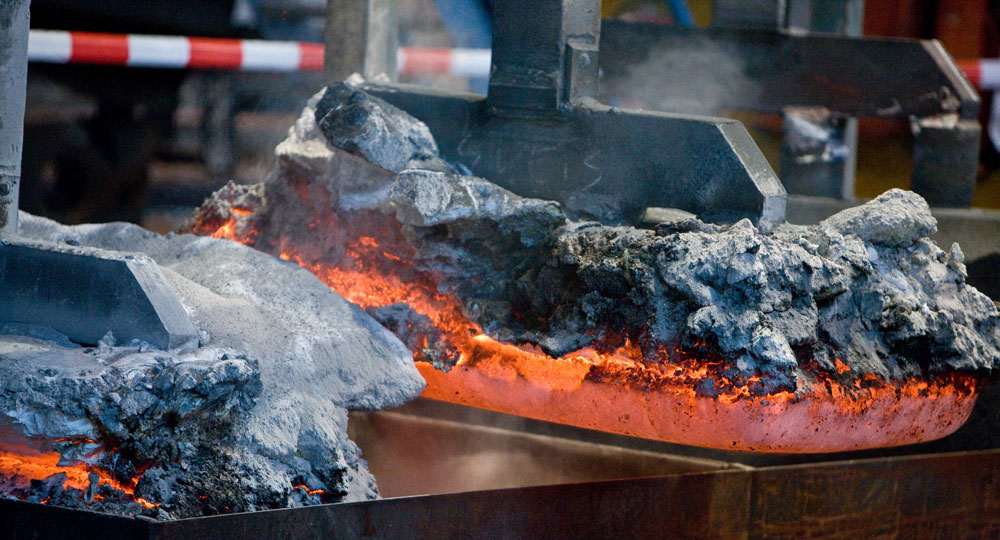
Even though the basic technology for power generation from heat is well established, the exploitation of low-temperature industrial heat sources still remains low due to high costs and lower levels of power output. Thus, one way of boosting energy efficiency in industrial contexts is to make heat-to power processes for the recycling of surplus heat so energy-efficient and cost-effective that they become profitable.
Promising technologies
At the HighEFF centre we are developing technologies aimed at boosting the energy efficiency and cost-effectiveness of power generation from industrial surplus heat. We have evaluated the potential of existing technologies for application in typical, large-scale, heat sources (found/located) at the plants of our partners in the HighEFF project. The aim of this evaluation was to assess technologies that demonstrated high potential at lower heat source temperatures.
We started by reviewing the research literature and our project experience at SINTEF, and identified a set of technologies that together appear to have potential in line with our evaluation criteria of maturity, complexity and thermodynamic performance. Among other things, we have found that conventional steam cycles are least suitable, whereas certain other technologies appear to provide efficient power generation for relevant heat sources.
Based on the results of our evaluation, we are now proceeding to quantify the potential of the promising technologies.
An initial study involving a single aluminium facility in Norway points to a potential in annual electricity output of about 40 GWh from the energy in waste gases, using the least complex power processes.
Exotic technologies
This year we are developing new models of more “exotic” technologies in order to see if these can produce even higher levels of net power generation for relevant heat sources.
Future research into power generation at HighEFF will include the development and optimisation of relevant technologies, several case studies of industrial applications, as well as the publication of scientific research articles. It is also likely that we will conduct some experimental validation of our results.
The technology evaluation we have performed is called “Technologies for medium-temperature heat-to-power conversion“.









Comments
No comments yet. Be the first to comment!