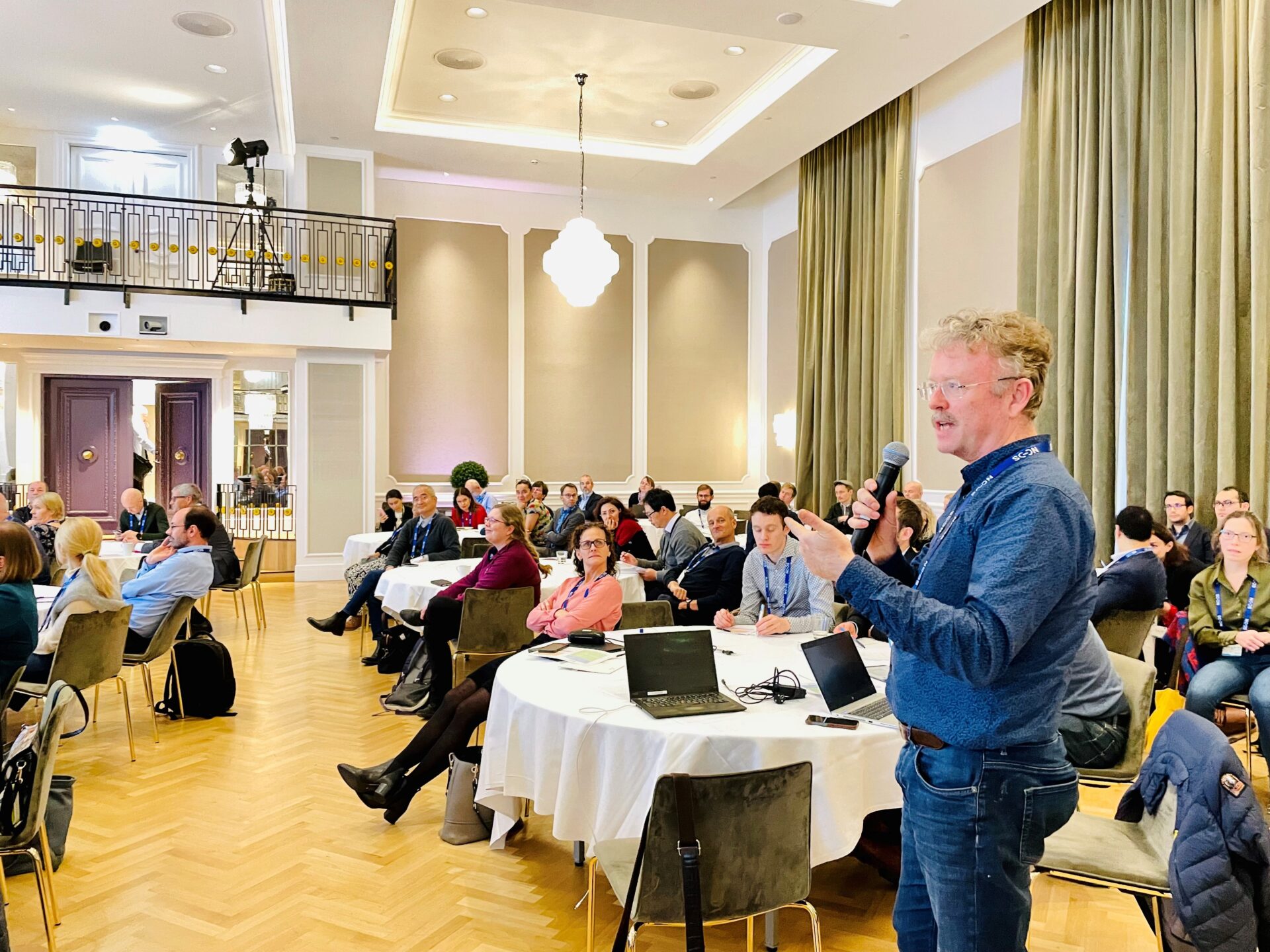

Held at Trondheim’s Britannia Hotel, the event attracted almost 80 research scientists, industrial experts and leaders, university professors and PhD students to share the latest technical knowledge and developments from within the centre, and plan for the coming years. Several more joined online.
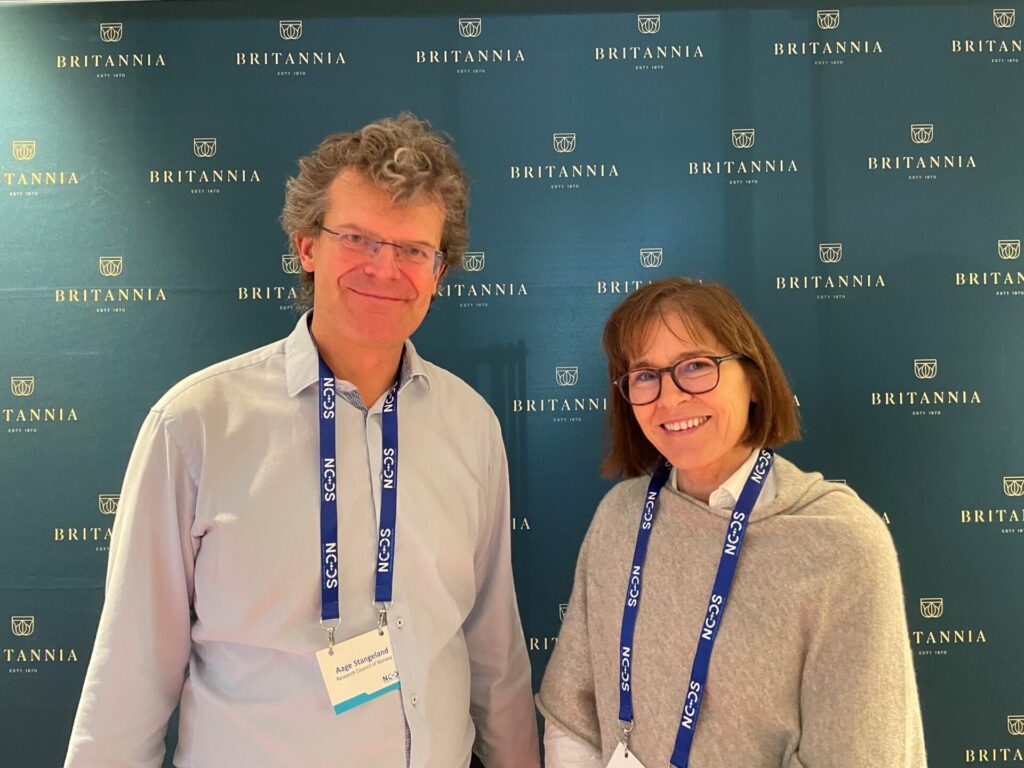
Aage Stangeland, special adviser at the Research Council of Norway, says that gathering in person “makes a real difference” for the momentum of the centre: “With so many good activities and new projects coming out of NCCS, this was an important time to gather. Online meetings have allowed research to continue as planned, but there is so much added value when discussing issues face-to-face.”
A timely climate reminder
NCCS Consortium Days coincided with the second half of the COP26 climate summit in Glasgow. SINTEF’s Nils Røkke joined via video link from Glasgow shortly after representing NCCS on a panel discussion—together with Norway’s new minister for climate and environment Espen Barth Eide—about the North Sea’s role in the green transition. Read the report here.
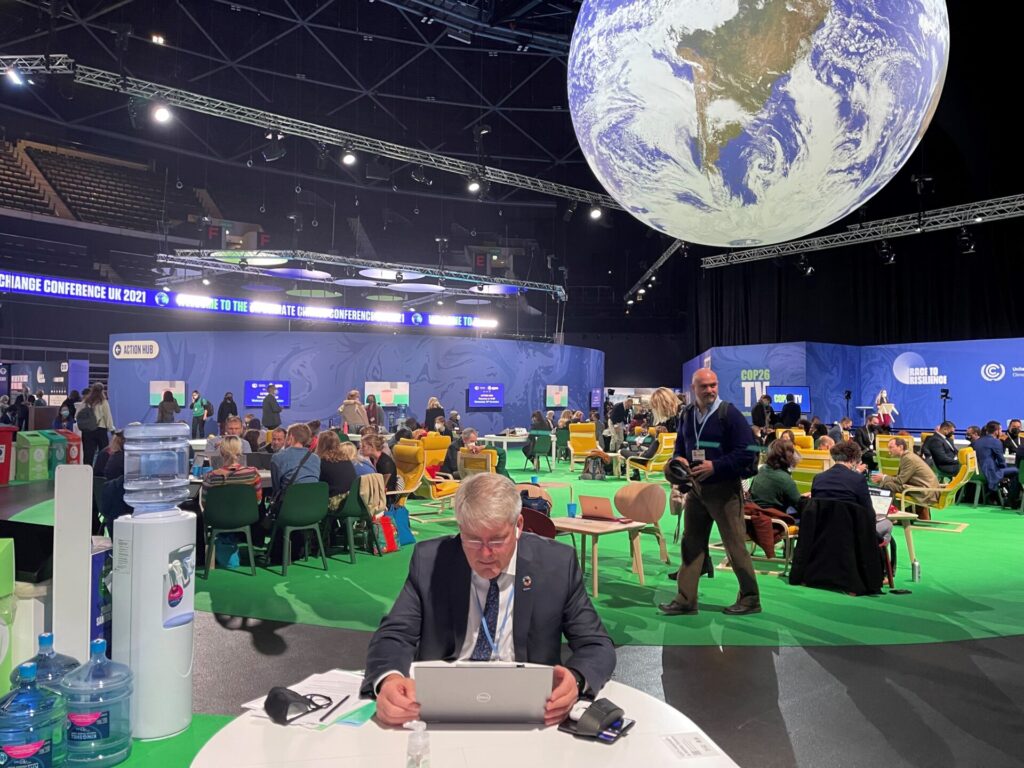
It was a timely reminder of the importance and relevance of NCCS research to the climate solutions of tomorrow that are needed today. Røkke made it crystal clear: “When you do the math, there’s no way we can avoid CCS.”
Collaboration at the heart of NCCS
An underlying theme of the event was the importance of collaboration between industry and research and across borders to fast-track the development of CCS. Many discussions took place about, for example, how to best accelerate the process from PhD research to industry solutions.
Read more: NCCS Interview: Award-Winning CO₂ Hydrate Research
The event was an opportunity for NCCS-funded PhD students to meet with the industry representatives who are interested in their findings. In addition, it gave students who are normally laser-focused on a specific area, such as capture solvent technology, the opportunity to network with others from along the CCS chain.
NCCS centre director Mona Mølnvik was thrilled to see so many people in person. She looks forward to the opportunities it should create over the coming years: “NCCS is about far more than the research we do. It’s also about the platform we create. Such connections and discussions identify challenges and potential routes forward that lead to new projects and benefit all partners in the long-run.”
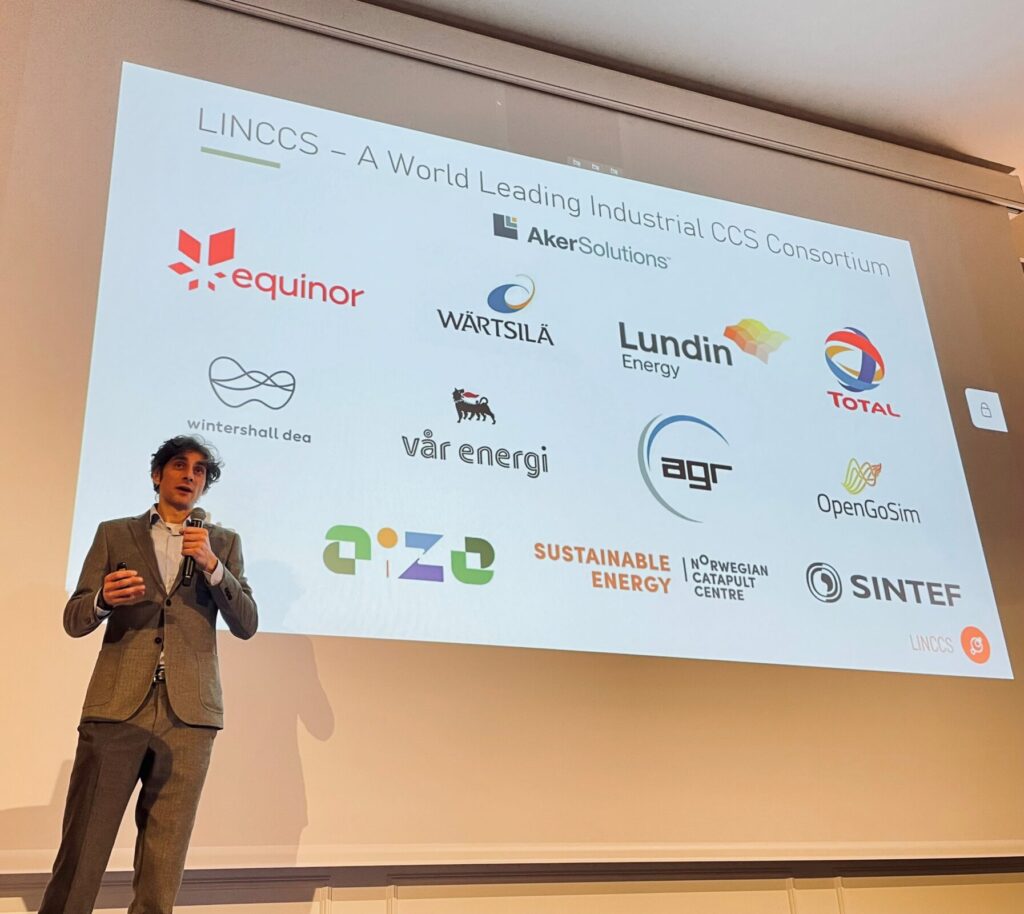
Many new projects were announced including the Aker Solutions led Green Platform project Carbon Links (LINCCS), supported by The Research Council of Norway, Innovation Norway, and SIVA. It was born out of a collaboration between NCCS and the LowEmission research centre and developed during a few weeks in the spring 2021.
Also announced at Consortium Days, the return of the mobility program brings yet more opportunities for innovation networking, knowledge sharing and dissemination between NCCS partners and across international borders.
From research to implementation
NCCS received a very positive evaluation from the Research Council of Norway at its midway point last year. One of the recommendations given was to lay down a plan for how the platform created by NCCS can continue beyond 2024, when the current FME period ends.
Facilitated by centre manager Amy Brunsvold, a workshop allowed all partners and stakeholders to have their say in the work of the centre for the next three years, and beyond. The clear message was to focus on accelerating the bridge between research and implementation.
This was a point echoed by the Research Council of Norway, so NCCS now has a clear goal for the remaining three years. “By the end of the centre I hope to see NCCS innovations implemented by industry, taking us closer to CCS implementations at scale,” says Stangeland.






Comments
No comments yet. Be the first to comment!