Skip to content

SINTEF Blog Gå til forsiden

  • Energy
  • Ocean
  • Digital
  • Health
  • Industry
  • Climate and environment
  • Building
  • Society
  • EN
  • NO
Energy

TCCS-11 Plenary Program Announced

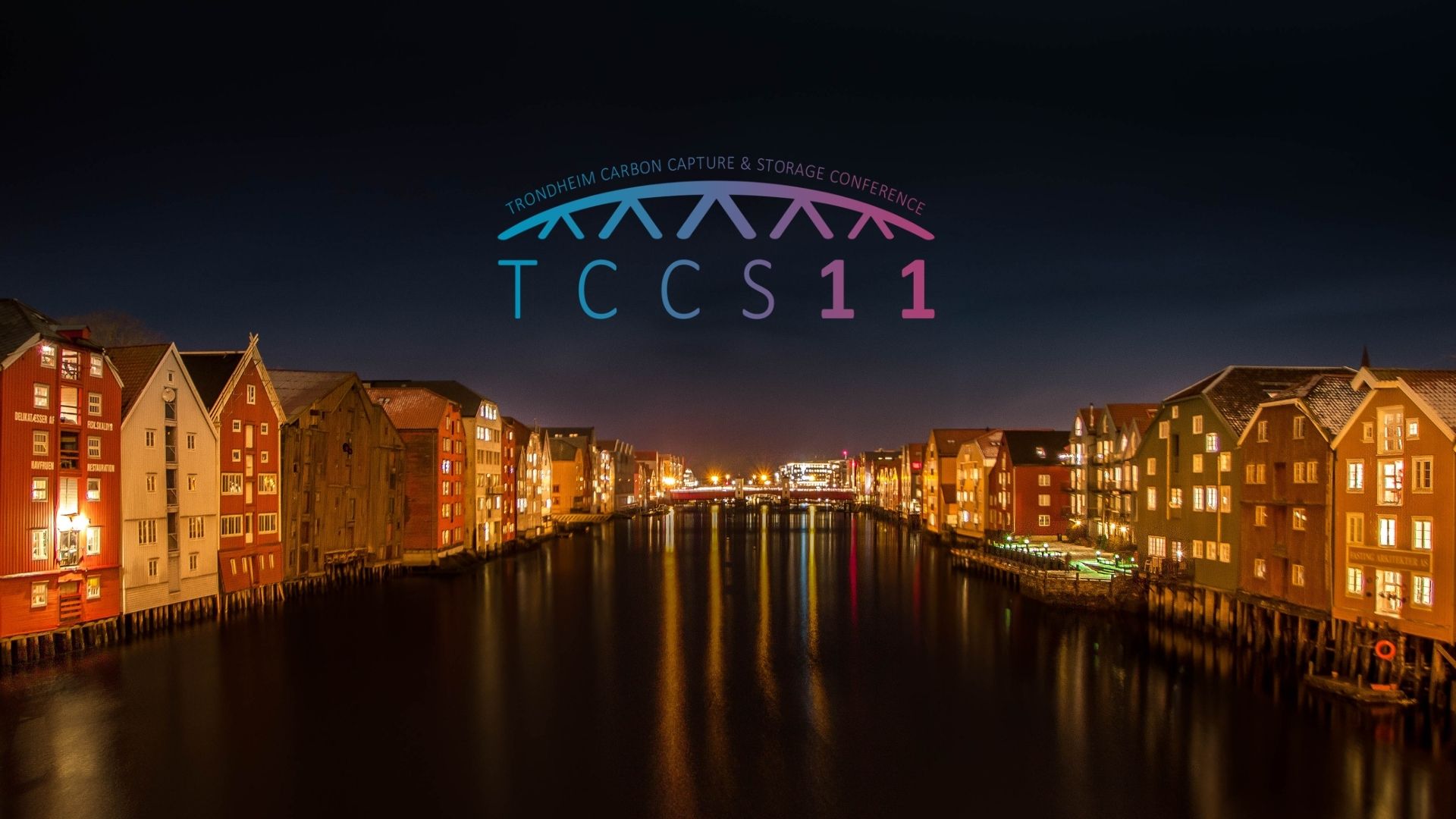
TCCS-11 blog banner
author
NCCS
Published: 10. Jun 2021 | Last edited: 8. Apr 2025
2 min. reading
Comments (0)

TCCS-11 is just a week and a half away and we have a packed line-up of keynote speakers, panel discussions, technical sessions and poster presentations waiting for you. Have you registered yet?


If not, perhaps this plenary program will tempt you! Across the two days of TCCS-11, we’ll be setting the stage for CCS, looking in detail at how we scale-up from pilots to full-scale implementations, diving into technology development and market perspectives, and a whole lot more.
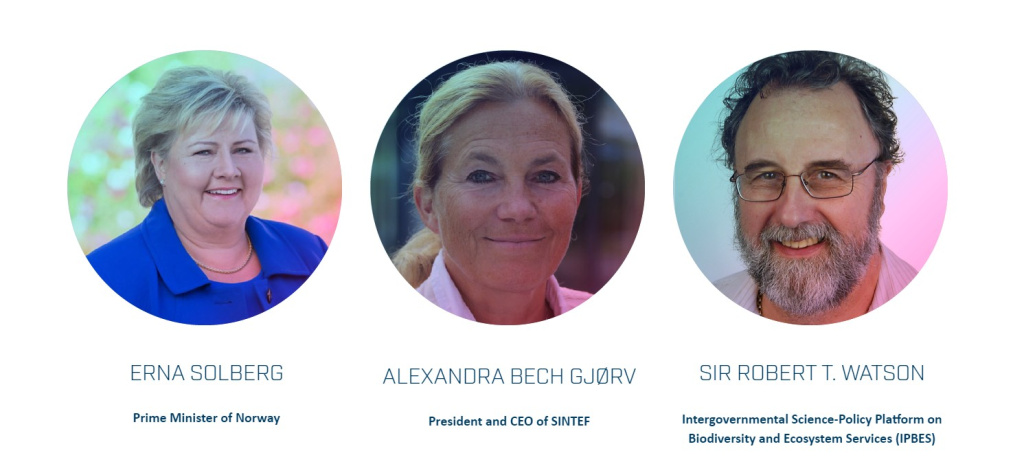

TCCS-11 Keynote Speaker Selection


To be held as a virtual event on June 22-23, TCCS-11 is the latest event in the globally-leading scientific CCS technology conference series.


Here is the full line-up for the plenary sessions:


Setting the Stage


Erna Solberg, Prime Minister of Norway


Sir Robert Watson, Professor, IPBES


Alexandra Bech Gjørv, President and CEO, SINTEF


Nils Røkke, SINTEF and EERA


Scaling up from Pilots


Roy Vardheim, CEO Gassnova


Mirrijn van Eijk, Advisor External Affairs, Portho


Sverre Overå, Project Director, Equinor, Northern Lights


Mona Jacobsen Mølnvik, Norwegian CCS Research Centre (NCCS), SINTEF


Philip Llewellyn, TOTAL s.e.


Projects, Technology Developments and Markets


Jim Stian Olsen, CTO, Aker Clean Carbon


Dominique Rouge, VP Sales & Technology, Air Liquide Engineering & Construction


Liv Monica Stubholt, Chair Board, Fortum


Jan Theulen, Director Alt. Res., HeidelbergCement


Technical Keynotes (Day 2)


Hanna Knuutila, NTNU


Earl Goether, TNO


Curtis Martin Oldenburg, Lawrence Berkeley National Laboratory


Sam Krevor, Senior Lecturer, Imperial College London


To find out more about TCCS-11 and to register now, visit www.tccs.no
Comments

No comments yet. Be the first to comment!

Leave a comment Cancel reply

Your email address will not be published. Required fields are marked *

More about Energy

How much can energy-efficient voyage planning save? Evidence from 11 months of North Atlantic data

Author Image
Author Image
2 forfattere
Infographic showing the flow of thermal energy storage (TES) from surplus heat or cold to end users. On the left, red and blue thermometer icons represent surplus heat and cooling, accompanied by the text “Surplus heat or cold – Captured and stored for when it’s needed.” In the centre, a large panel titled “Thermal Energy Storage (TES)” presents three storage technologies. The top section, “Sensible TES,” shows a container with a thermometer and the text “Stores heat in one single phase.” The middle section, “Latent TES,” shows a water droplet and snowflake connected by circular arrows, with the text “Stores heat through phase change.” The bottom section, “Thermochemical TES,” shows two connected coloured circles that separate and reconnect, illustrating a reversible reaction, with the text “Stores heat through reversible reactions.” A large pale arrow-shaped wedge points from the TES panel toward the right side of the figure. On the right, three application areas are shown in separate boxes with icons: industrial processes, buildings, and data centres. The layout conveys that surplus heat or cold can be stored using sensible, latent, or thermochemical TES technologies and later supplied to industrial facilities, buildings, and data centres.

Thermal energy storage is already commercial  

Jorge Salgado Beceiro
Research Manager

Burning ammonia cleanly: How timing changes everything 

Author Image
Author Image
2 forfattere

Technology for a better society

  • About this blog
  • How to write a science blog
  • Sign up for our newsletter
  • News from NTNU and SINTEF
  • Facebook
Gå til SINTEF.no
SINTEF logo
© 2026 SINTEF Foundation
Privacy Editorial Press contacts Website by Headspin