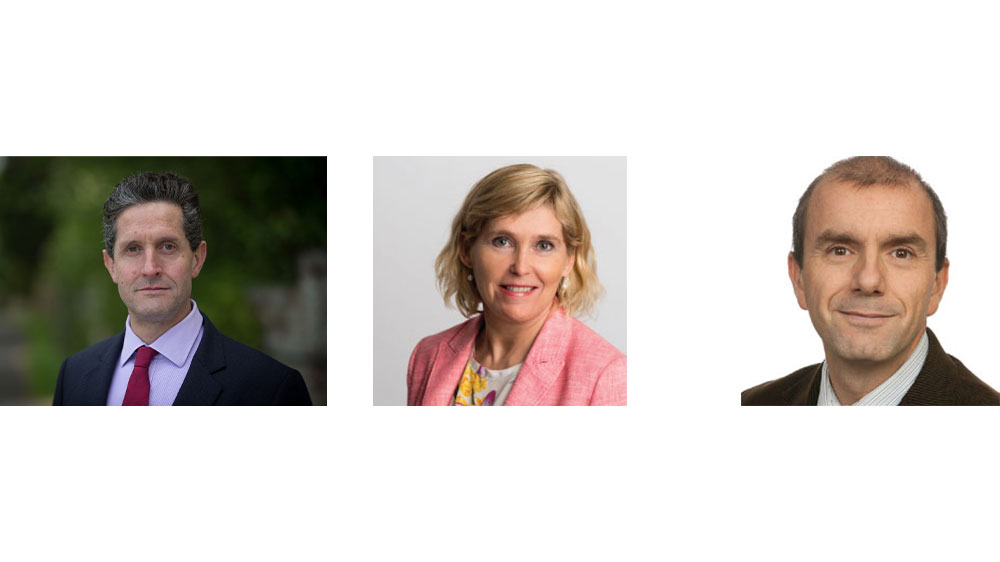
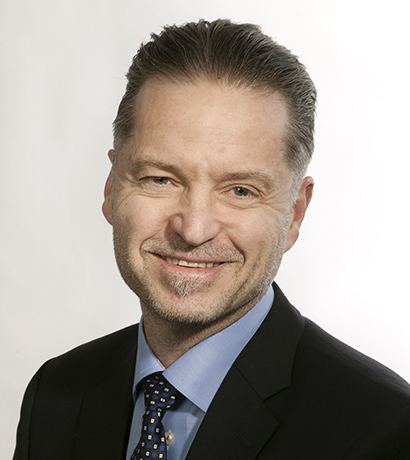
We are proud to present three more keynote lecturers at the this year’s conference
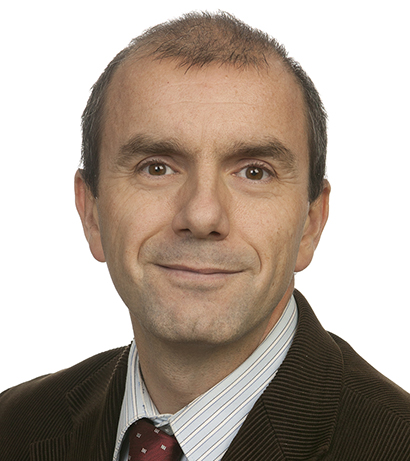
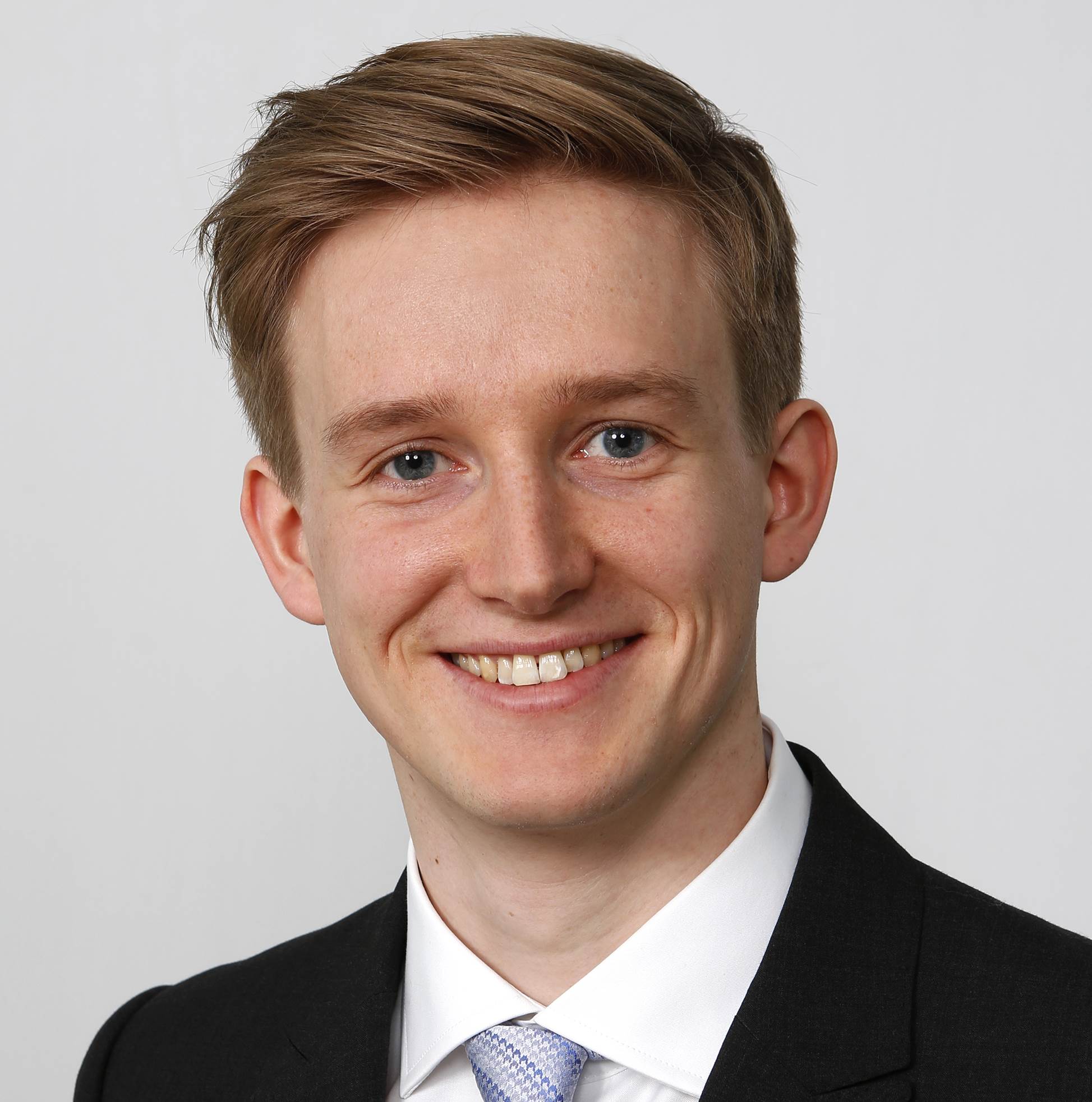
Myles Allen, Professor of Geosystem Science, Environmental Change Institute, School of Geography and the Environment and Department of Physics University of Oxford
Myles Allen is Professor of Geosystem Science in the Environmental Change Institute, School of Geography and the Environment and Department of Physics, University of Oxford, and co-Director of the Oxford Martin Net Zero Carbon Investment Initiative.
His research focuses on how human and natural influences on climate contribute to observed climate change and risks of extreme weather and in quantifying their implications for long-range climate forecasts. He was a Coordinating Lead Author on the Intergovernmental Panel on Climate Change Special Report on 1.5 degrees, having previously served on the IPCC’s 3rd, 4th and 5th Assessments, including the Synthesis Report Core Writing Team in 2014.
Learn more about CCS
Join our newsletter to stay updated with all the latest research results and news from NCCS: The Norwegian CCS Research Centre.
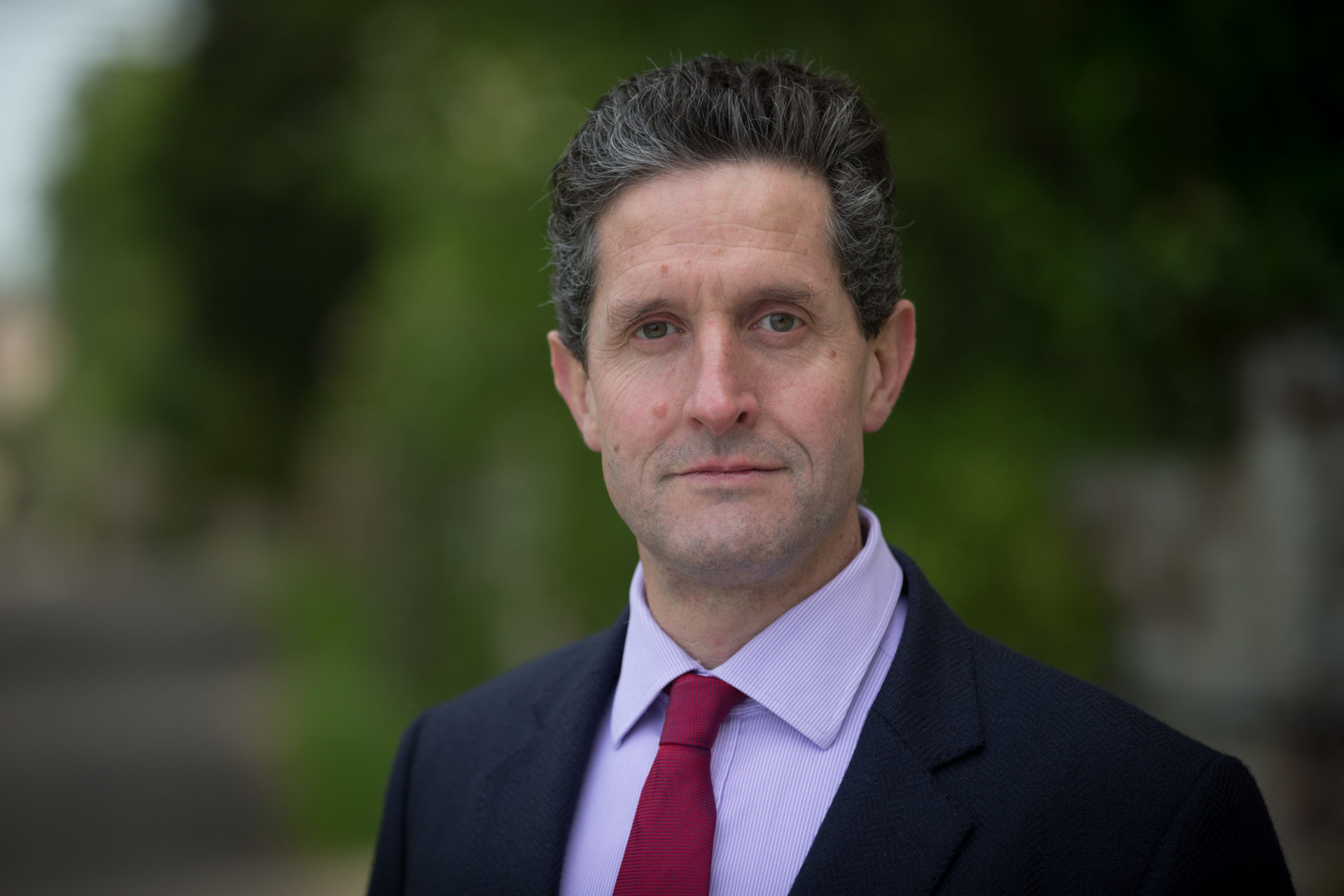
He proposed the use of Probabilistic Event Attribution to quantify the contribution of human and other external influences on climate to specific individual weather events and leads the www.climateprediction.net project, using distributed computing to run the world’s largest ensemble climate modelling experiments.
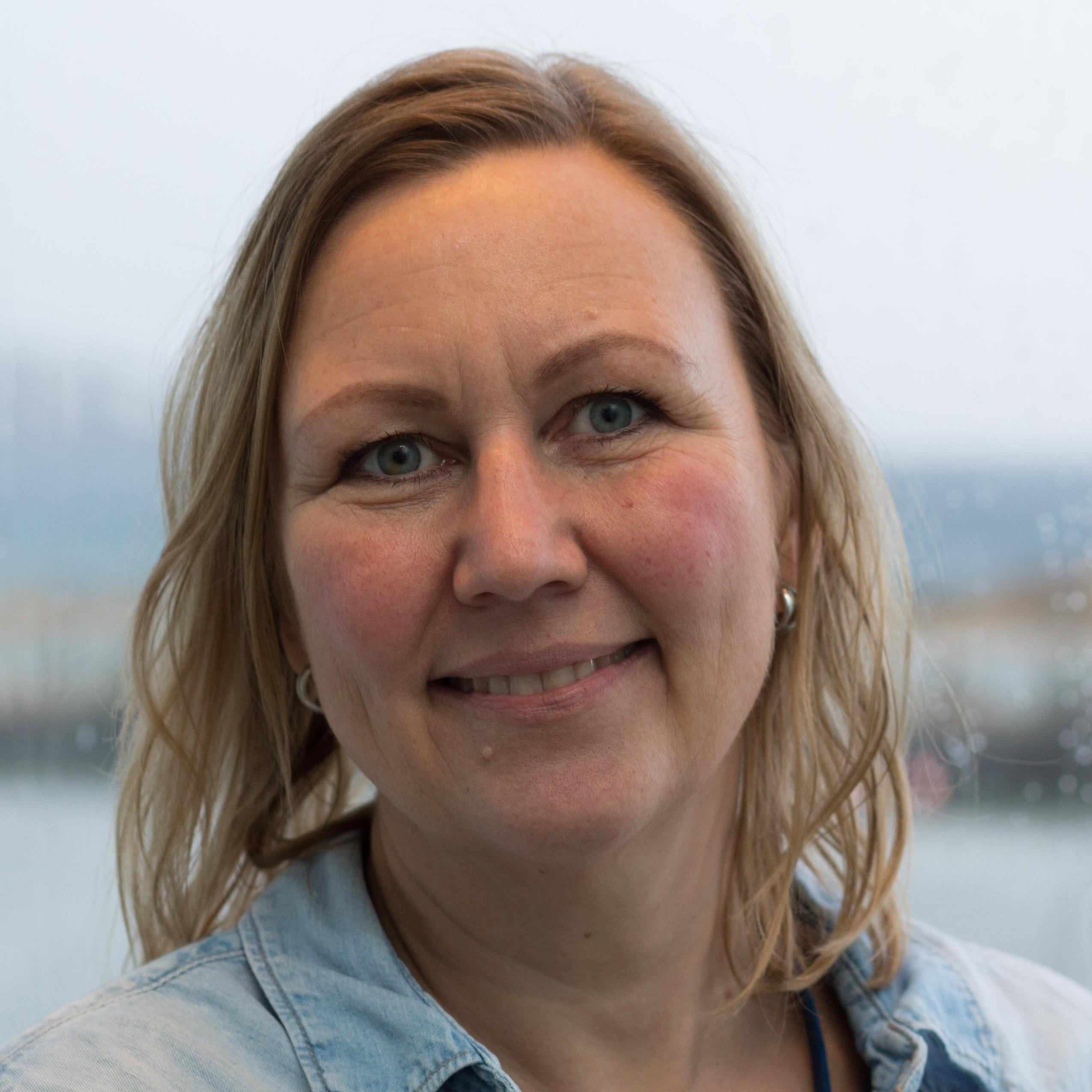
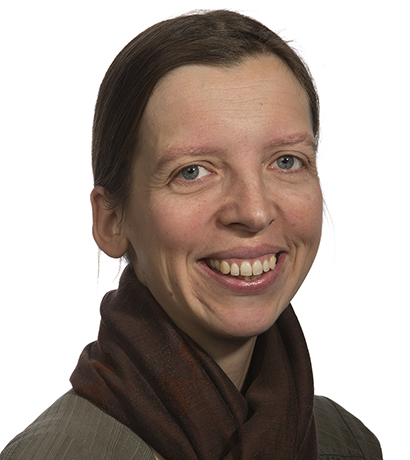
Trude Sundset, CEO, Gassnova
Trude Sundset is a leading global authority on carbon capture and storage (CCS). She is CEO at Gassnova, the Norwegian state enterprise for CCS technology development.
Sundset has broad experience in international organizations as a board member of IEAGHG, CSLF, IPIECA, ZEP and The Hawthorn Club. She has held senior leadership positions in areas of energy, environment and climate issues across the oil and gas industry.
She started her career as a researcher at SINTEF, before moving on to Statoil ASA (now called Equinor). During 19 years at Statoil, Sundset held top positions as Chief Researcher, Head of International Environment and Climate and Vice President Environment and Climate.
Sundset holds a Master of Technology from the Norwegian University of Science and Technology in Trondheim.
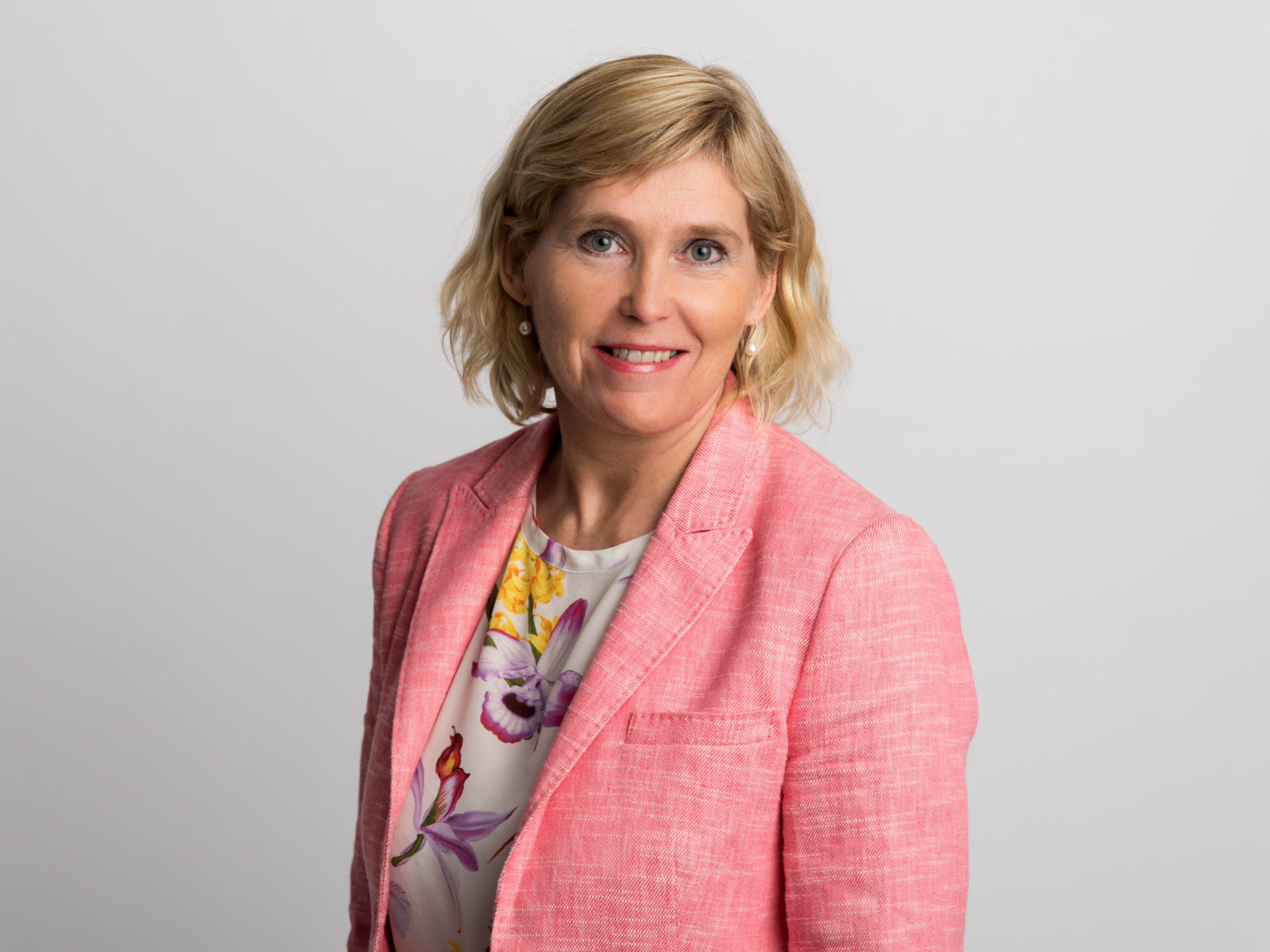
Her broad-based industrial experience and extensive career has given her a unique insight into industrial development and technological solutions to mitigate climate change
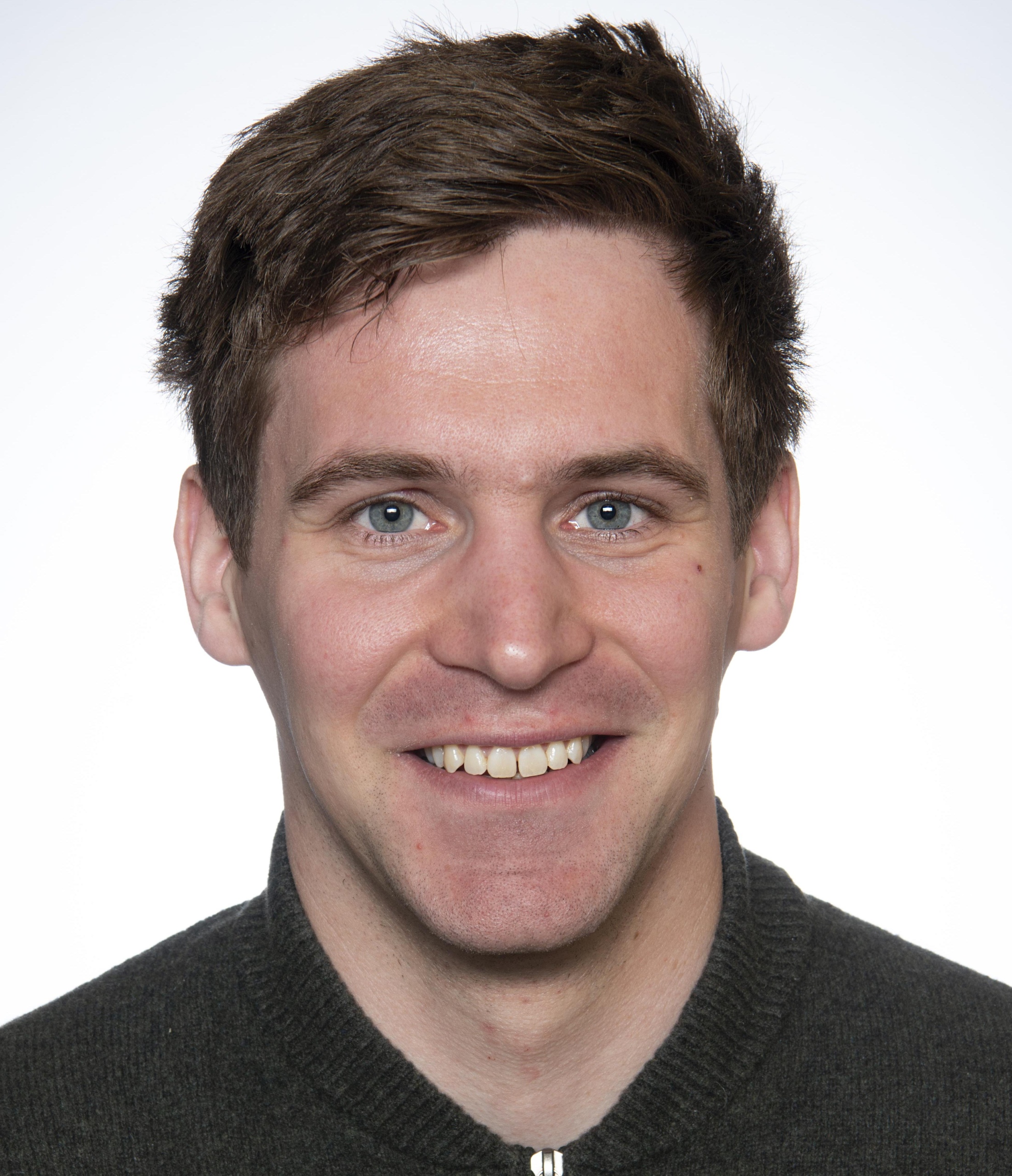
Andrea Gruber, Senior Research Scientist, SINTEF Energy Research
Andrea Gruber holds a doctoral degree in Mechanical Engineering from NTNU (2006), he is Senior Research Scientist at SINTEF Energy Research and Adjunct Professor at NTNU. His research interests are in the development and application of massively parallel direct numerical simulations (DNS), a high-fidelity numerical approach to accurately predict turbulent reactive flows. Over a period of nearly two decades and in a close and fruitful collaboration with combustion researchers from Sandia Lab (Livermore, CA), Dr. Gruber has initiated the deployment of DNS on some of the research challenges related to combustion of highly-reactive and non-standard fuels in gas turbines (hydrogen in particular).
Pursuing industrial relevance within the framework of numerous national and international research initiatives (BIGH2, NCCS, DiHI-Tech, ENCAP, DECARBit) and in close partnership with the gas turbine industry (ALSTOM, Ansaldo Energia, Siemens), he has contributed to the fundamental understanding of key turbulence-chemistry interaction processes that play a major role in the achievement of clean and efficient power generation: design and optimization of fuel injection systems, flashback prediction and control, static and dynamic flame stabilization in conventional and staged combustors.

Comments
No comments yet. Be the first to comment!