Skip to content

SINTEF Blog Gå til forsiden

  • Energy
  • Ocean
  • Digital
  • Health
  • Industry
  • Climate and environment
  • Building
  • Society
  • EN
  • NO
Energy Society

REPowerEU

Read SUPEERA's brief about the EU's transition away from fossil fuels in the context of the Ukraine war.

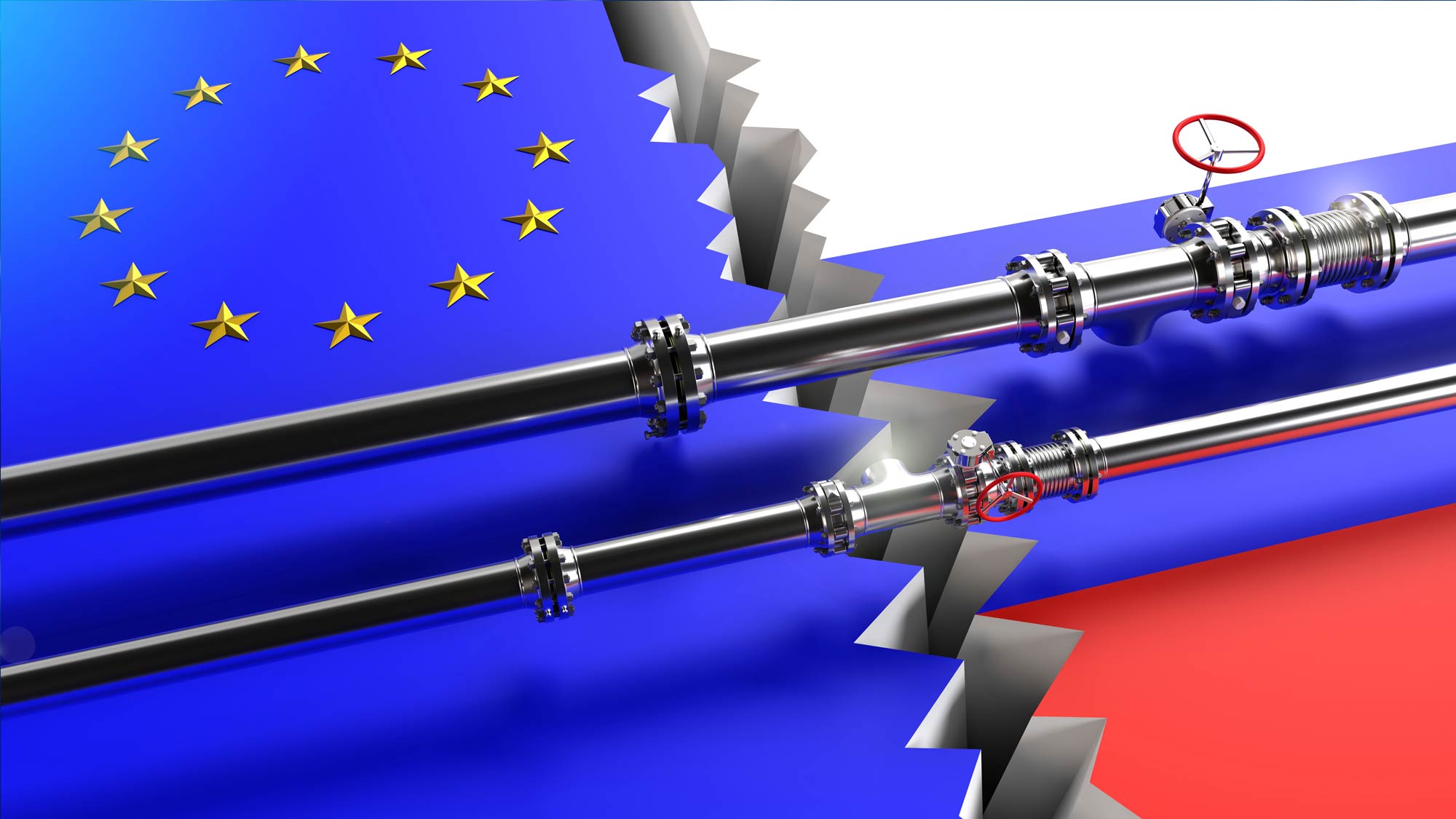
Pipes passing over flags of the EU and Russia, with a chasm in between.
author
Petter Støa
Research Director
Published: 19. May 2022 | Last edited: 4. Apr 2025
1 min. reading
Comments (0)

In the context of the EU project SUPEERA project, a series of policy briefs are currently being developed to identify concrete R&I challenges in EU policies relevant to the energy research community. The final goal is to support the achievement of the Clean Energy Transition (CET).

The SUPEERA project supports the coordination of national research and innovation programmes in areas of activities of the European Energy Research Alliance

This Policy Brief focuses on the REPowerEU Communication, published by the European Commission as a reaction to the Russian aggression on Ukraine, and the consequences the conflict will have on the EU energy system. The brief is also intended to provide further responses to enduring high energy prices. It expands on the need to proceed to a swifter emancipation from fossil fuels, in line with the goals of the European Green Deal.

You can follow this link to read the whole paper.

More about REPowerEU: Invitation to REPowerEU webinars (organised by SINTEF) 23-25 May 2022
Comments

No comments yet. Be the first to comment!

Leave a comment Cancel reply

Your email address will not be published. Required fields are marked *

More about Energy

How much can energy-efficient voyage planning save? Evidence from 11 months of North Atlantic data

Author Image
Author Image
2 forfattere
Infographic showing the flow of thermal energy storage (TES) from surplus heat or cold to end users. On the left, red and blue thermometer icons represent surplus heat and cooling, accompanied by the text “Surplus heat or cold – Captured and stored for when it’s needed.” In the centre, a large panel titled “Thermal Energy Storage (TES)” presents three storage technologies. The top section, “Sensible TES,” shows a container with a thermometer and the text “Stores heat in one single phase.” The middle section, “Latent TES,” shows a water droplet and snowflake connected by circular arrows, with the text “Stores heat through phase change.” The bottom section, “Thermochemical TES,” shows two connected coloured circles that separate and reconnect, illustrating a reversible reaction, with the text “Stores heat through reversible reactions.” A large pale arrow-shaped wedge points from the TES panel toward the right side of the figure. On the right, three application areas are shown in separate boxes with icons: industrial processes, buildings, and data centres. The layout conveys that surplus heat or cold can be stored using sensible, latent, or thermochemical TES technologies and later supplied to industrial facilities, buildings, and data centres.

Thermal energy storage is already commercial  

Jorge Salgado Beceiro
Research Manager

Burning ammonia cleanly: How timing changes everything 

Author Image
Author Image
2 forfattere

Technology for a better society

  • About this blog
  • How to write a science blog
  • Sign up for our newsletter
  • News from NTNU and SINTEF
  • Facebook
Gå til SINTEF.no
SINTEF logo
© 2026 SINTEF Foundation
Privacy Editorial Press contacts Website by Headspin