

I have written a feature article for the financial daily Dagens Næringsliv (in Norwegian) where I explain how the research centre NOWITECH, which I have been heading since 2009, has generated eight innovations with a potential value of five billion euros.
I will fill out some of the details in this blog. How has this happened?
When I present NOWITECH, I always have a slide that describes the centre as a pre-competitive research* collaboration aimed at producing innovations.
(The blog continues below the video.)
What? “Pre-competitive” and “innovation”? In actual fact they go very well together. NOWITECH has developed 40 innovations. However, we must be aware that innovations resulting from research represent only a potential to generate wealth.
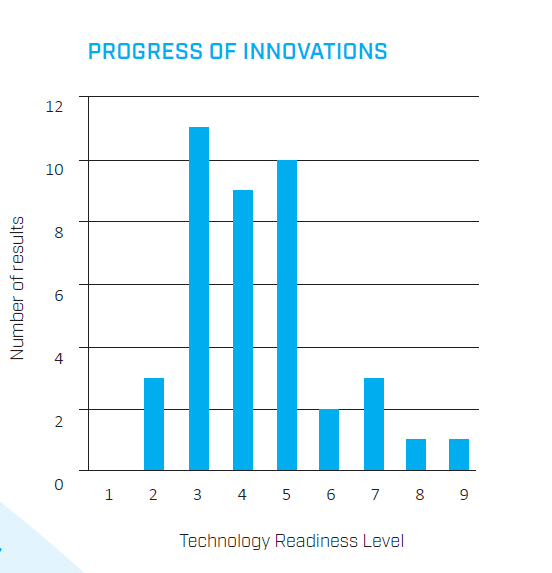
We develop our innovations to semi-maturity
This means that NOWITECH does not develop innovations to full maturity and introduce them to the market. Instead, NOWITECH develops a project to a given level of technological maturity, termed a Technology Readiness Level (TRL). An idea is assigned a TRL of 1, while a TRL of 9 indicates a finished product that has been introduced to the market
NOWITECH typically matures innovations to TRL values of 3, 4, 5 or 6. They will then be further advanced as part of more commercially-targeted projects.
Two exceptions
However, there are also exceptions. For example, NOWITECH had an idea for the development of Fugro’s floating LiDAR buoy (TRL=1). Subsequently, Fugro further developed the concept into a commercial product that is now on the market and generating in the region of NOK 100 million in annual additional sales.
Other innovations may originate from an industry partner. For example, the company Norsk Automatisering had an idea for the Remote Presence concept, involving the application of robotic technology for the remote monitoring of wind turbine machinery. This was subsequently further developed via NOWITECH and other projects, including some funded by the EU, and has now become a product that is being marketed by the start-up company EMIP AS. If EMIP succeeds in penetrating the market with this innovation, it will generate wealth both in the form of EMIP’s sales revenues, as well as reductions in operation and maintenance costs for the wind farm operators that use the technology.
Open innovation – the research that we give away
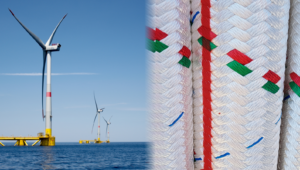
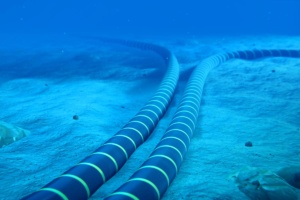
We have also developed open innovations at NOWITECH (se example in film below). An example of this is our method of reducing current loss from long marine electrical cables. The method has been published and can be used freely by all. If it is applied it will generate significant savings in the form of reduced energy losses during the transmission of electricity from offshore wind farms to shore. Visit the website below and watch this innovation explained in less than 60 Seconds.
Impello Management has computed that the total potential wealth generation from NOWITECH’s innovations is NOK 50,000 million. So yes, innovation and pre-competitive research go very well together 🙂
Read the Impello report here.








Comments
No comments yet. Be the first to comment!