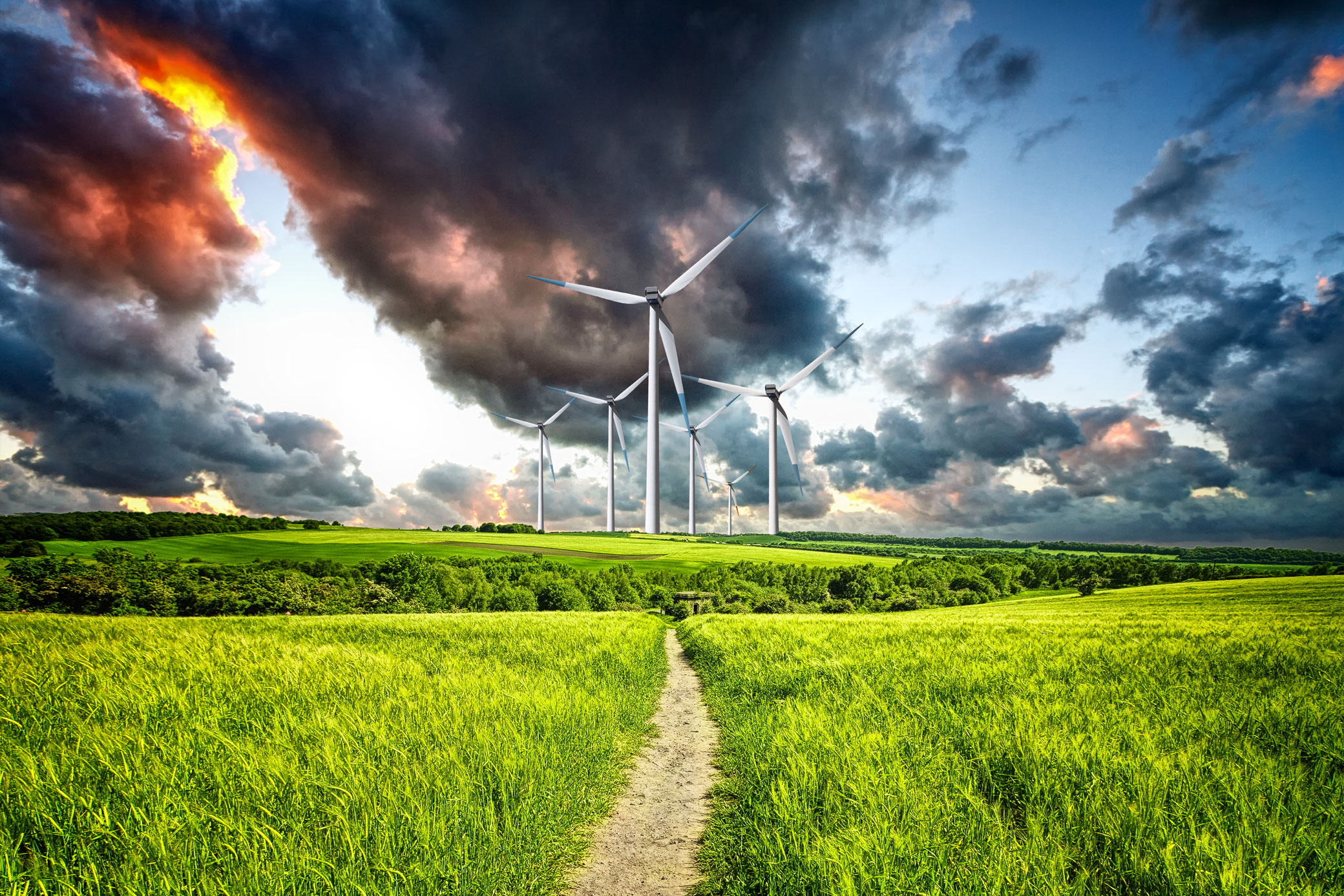

Funding for renewables: An international team of researchers has concluded that operational funding should continue to be provided for the production of renewable energy in Europe, provided that such support is progressively reduced over time.
The future of the EU’s funding arrangements for renewable energy has been the focus of a European research project called Market4RES, which has been coordinated by SINTEF.
“The results from the project indicate that producers should still be granted protection from price pressures until the market is better set up to accommodate the new technologies. However, as these technologies mature and increase their share in the domestic energy mix, it will be important to reduce this support funding”, says SINTEF researcher Andrei Morch, who has acted as coordinator for the project.
The initiative has contributed towards ensuring that about a third of European electricity is currently generated from renewable Sources.
More environmentally-friendly energy
Morch believes that if the proposals from this project are adopted by the EU, more companies will take the plunge and invest in renewables in the near future.
The EU’s funding arrangements for renewable electricity production in Europe were introduced in 2007, and have reaped benefits. The initiative has contributed towards ensuring that about a third of European electricity is currently generated from renewable sources.
Changes in funding arrangements
However, the current regulations governing permitted funding arrangements are to change, and the old fixed rate system cannot apply to new power generation projects.
“Even though the funding arrangements have been a success, they have also had some negative effects, such as the high costs linked to support”, says Morch. “Moreover, some people are concerned that the proportion of power generation reliant on weather conditions is too high. For this reason, the project team is proposing to change the existing arrangement so that we can achieve a sustainable regulatory framework for the long term”, he says.
The proposed changes have the potential to help enable Europe to continue its shift from fossil-based to renewable electricity production in a more cost-effective way. According to Morch, it is too early to say anything about what this will mean in terms of the price to consumers.
This story is from Geminiresearchnews.com.







Comments
No comments yet. Be the first to comment!