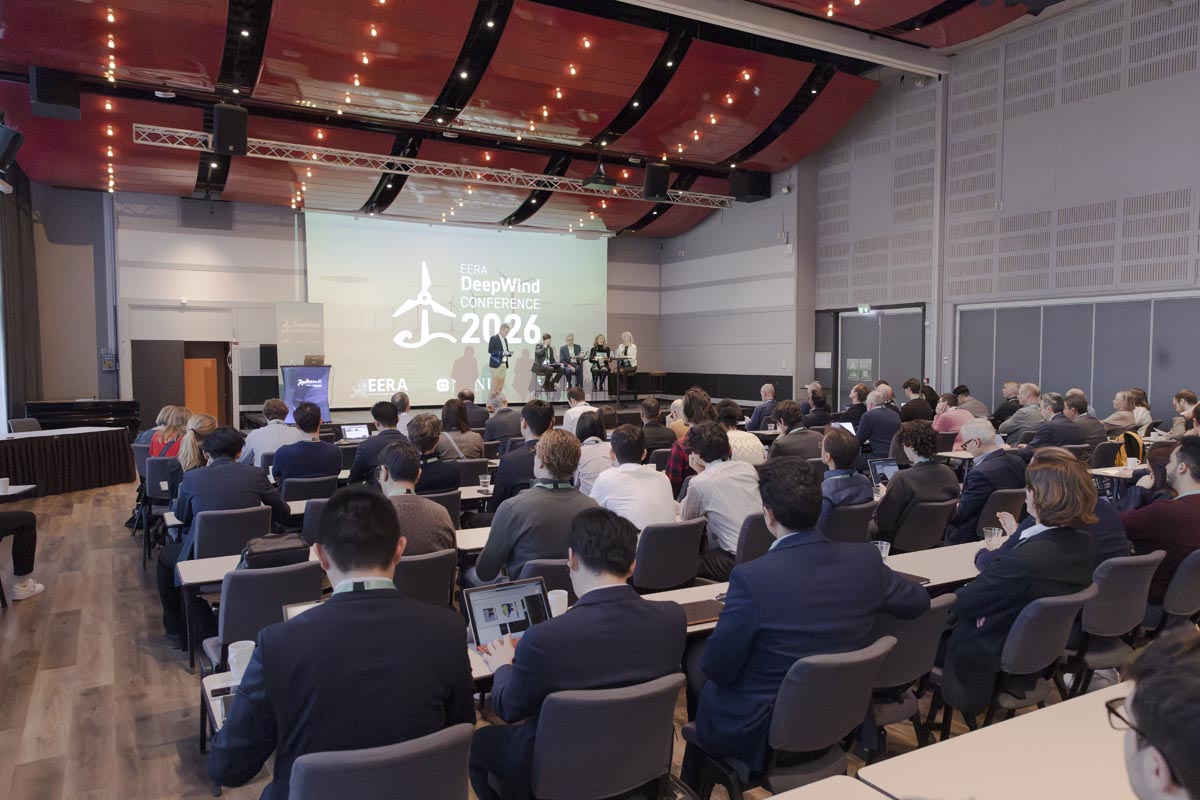
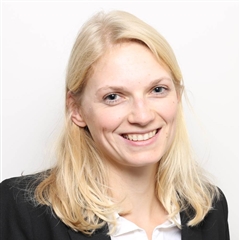
Cutting the cost of floating offshore wind was a theme that surfaced again and again at this year’s EERA DeepWind offshore wind R&I conference. In one of the opening keynotes, Dorthe Julie Kirkeby (Entr) argued that significant cost reductions are within reach, with long-term potential for cuts of up to 50%, pointing to the subsea collector as one route away from the traditional daisy-chain layout.
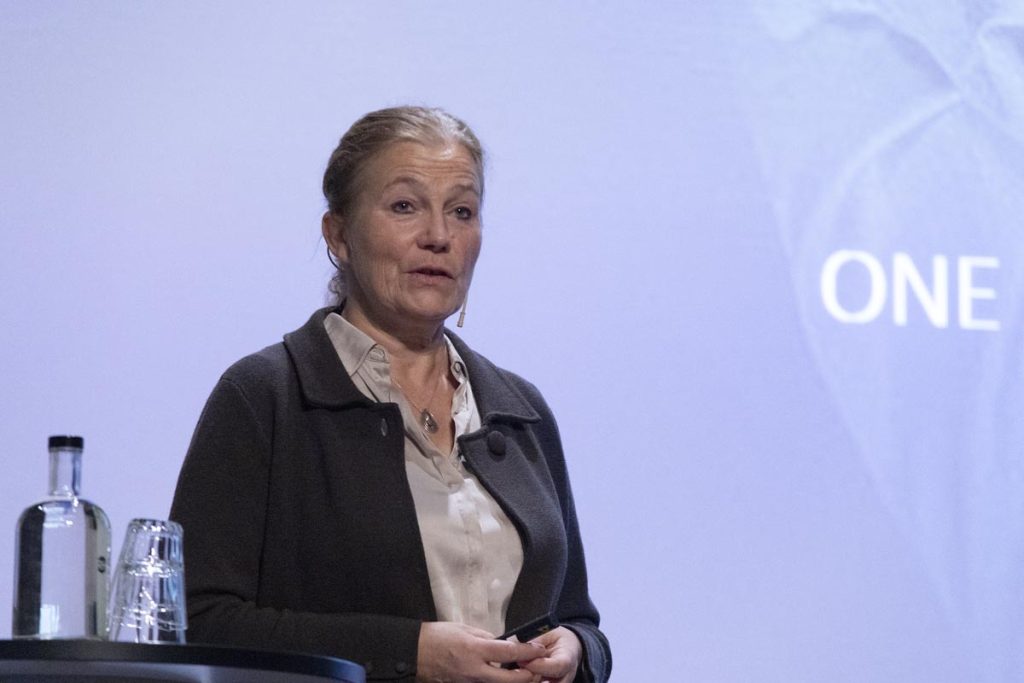
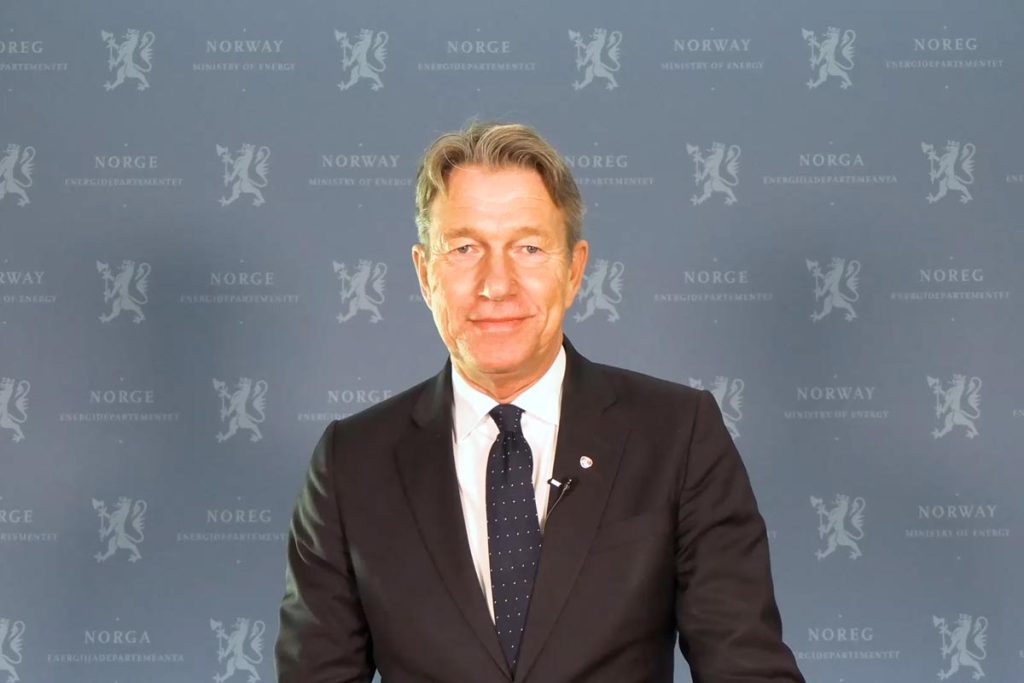
SINTEF CEO Alexandra Bech Gjørv had opened the proceedings by underlining SINTEF’s involvement in floating offshore wind from the very beginning, followed by a video greeting from Norway’s Minister of Energy, Terje Aasland. Over three days, around 250 research scientists and industry experts gathered in Trondheim to share work spanning floating substructures, grid integration, environmental coexistence, and circularity.
Reliability was another recurring thread. Christof Devriendt (VUB/OWI Lab and 24SEA) noted that existing wind farms are operated more dynamically than their design assumed, curtailed more often and providing grid services more frequently, which shortens their expected life. A dedicated special session on security of electricity supply, organised with FME SecurEL, the Horizon Europe project MISSION, and KSP DeCOOP, took the question up to the system level, examining what 30 GW of offshore wind would mean for Norway’s supply security and how converter-dominated grids can be kept stable.
The closing strategic outlook session looked further ahead, from integrating offshore wind with dispatchable hybrid power plants and energy storage, to accelerating circularity, to nature-inclusive approaches that ensure climate action does not come at the expense of biodiversity. As Solrun F. Skjellum (NIVA) put it, nature-positive measures are needed alongside the build-out itself.
From cost and reliability to grid security and circularity, the message across the three days was consistent: offshore wind’s next steps depend on getting the whole system right, and on the collaboration between researchers, industry, and nations that makes that possible.
Keynote speakers
The 2026 edition featured a lineup of internationally recognised leaders in their field:
 | Terje Aasland, Norwegian Minister of Energy |
 | Jenna Iori, Assistant Professor, Wind Energy section, TU Delft |
 | Davide Amato, European Commission, DG Research & Innovation |
 | Dorthe Julie Kirkeby, Vice President Ocean & Wind, Entr |
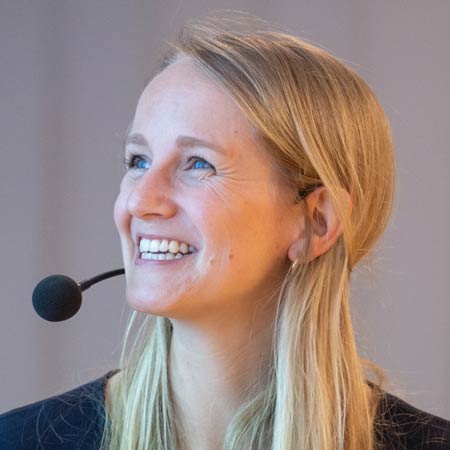 | Veronica Liverud Krathe, Research Scientist, SINTEF Ocean |
 | Jan Tore Horn, CTO & Co-Founder, Vind AI |
 | Stephan Barth, Managing Director, ForWind – Centre for Wind Energy Research |
 | John Olav Tande, SVP Research, Development and Innovation, Statnett |
 | Marianne H. Aandahl, NCP & National Expert to Horizon Europe on energy – The Research Council of Norway, Energy Dept. |
 | Ignacio Martí, Head of Division, Department of Wind and Energy Systems, DTU |
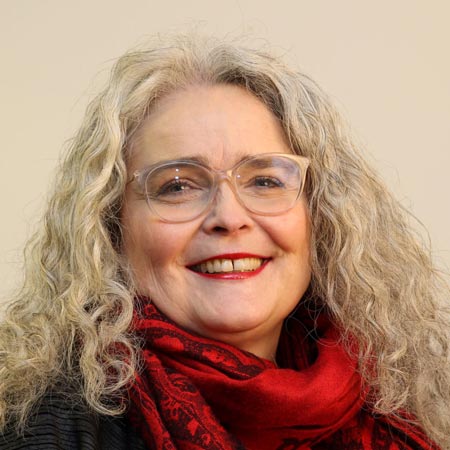 | Solrun F. Skjellum, Chief Development Officer, NIVA (The Norwegian Institute for Water Research) |
 | Harald van der Milje Meijer, Senior Consultant for Wind Energy, TNO |
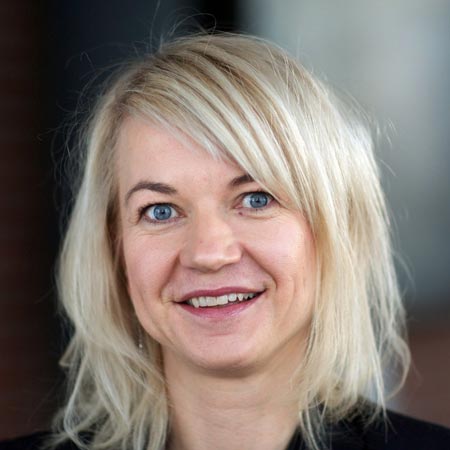 | Hanne Wigum, Manager of Offshore Wind Technology, Equinor |
 | Alexandra Bech Gjørv, CEO, SINTEF |
 | Trond Kvamsdal, Professor at the Department of Mathematical Sciences, NTNU |
 | Konstanze Kölle, Research Manager, SINTEF |
Poster awards
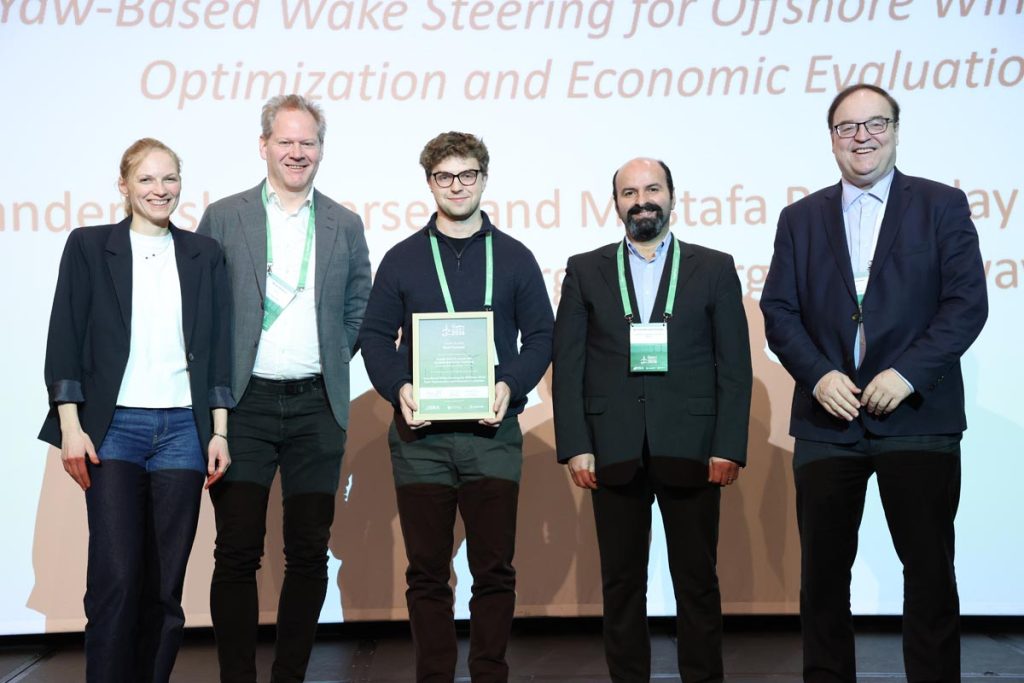
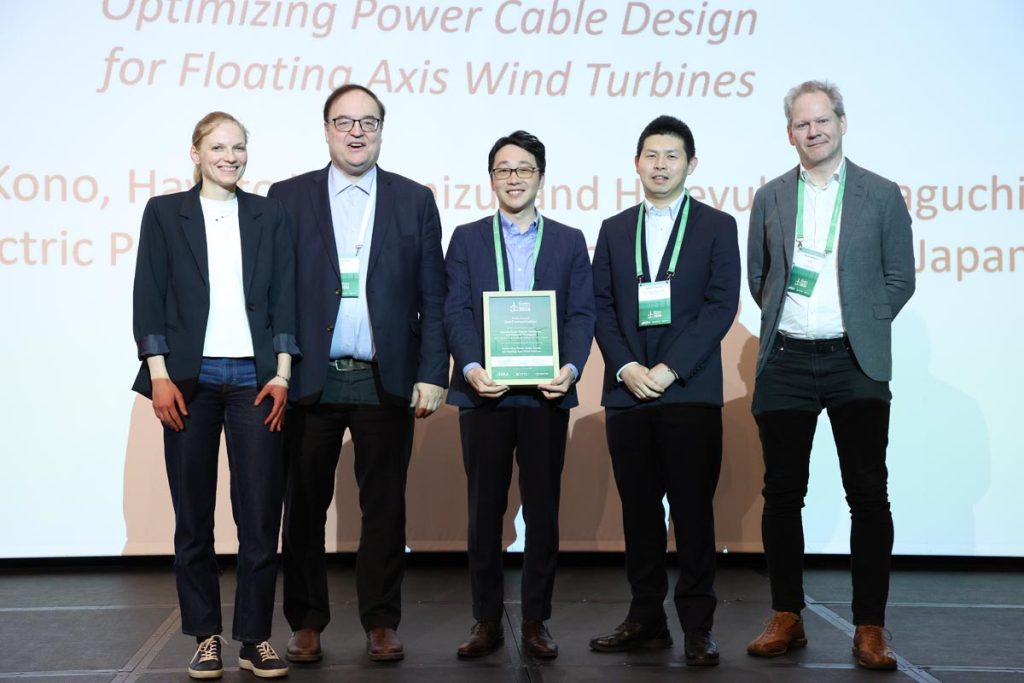
The conference concluded with the poster awards. The award for Best content went to Sander Askvik Larsen and Mostafa Bakhoday Paskyabi (University of Bergen). The award for Best communication went to Susumu Kono, Hayato Yoshimizu, and Hideyuki Muraguchi (Tokyo Electric Power Company Holdings).
Join us next year!
The 24th edition of the EERA DeepWind offshore wind R&I conference will take place in Trondheim, 13-15 January.




Comments
How can technical questions like comparsion between Flex2future, WCS and AWWHybrid be part of comferances like DeepWind?