
Welcome to the conference on Future Electricity Distribution Grid R&D, hosted by the Centre for Intelligent Electricity Distribution (CINELDI). This year’s main topic is How can the distribution grid be adapted to facilitate a large-scale electrification of the society?
The Conference will be held on April 21st at Britannia Hotel in Trondheim, Norway. Registration deadline is March 31. For more information on the Conference and registration please follow this link.
At the Conference, research results from CINELDI and related activities will be presented. Also, two experts from outside CINELDI will give their take on how the grid can be adapted for future demands. There will also be time for debate and discussions.
- Get the latest CINELDI news: Sign up to our newsletter
“Going electric means more active distribution that is ambitious, achievable and can be inclusive through the European Green Deal”
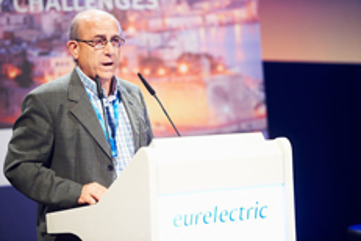
We are very excited to announce that Dr. Venizelos Efthymiou, Chairman of Foss Research Centre in Cyprus will be one of our two keynote speakers.
Dr. Venizelos Efthymiou is a member of the Steering Committee of the European Technology and Innovation Platforms SNET and PV (ETIP-SNET), a member of the DSO Committee of EURELECTRIC, chairman of the Research Centre FOSS of the University of Cyprus and chairman of CIGRÉ Cyprus.
He will share his thoughts, from a European perspective, on the adaptation of the distribution grid in support of the energy transition, facilitating a large-scale electrification of the society. His keynote is titled “Going electric means more active distribution that is ambitious, achievable and can be inclusive through the European Green Deal”. Visit our event page to learn more about the 2020 CINELDI Conference and sign up today.
Dr. Efthymiou and FOSS Research Centre is connected to CINELDI through common activities within the H2020 PANTERA project and the European Energy Research Alliance (EERA) Joint Program Smart Grids. Read our research-blog on PANTERA here.
“Norway should take a leading role as the first renewable and all-electric society in the world” -Energy Norway’s vision.
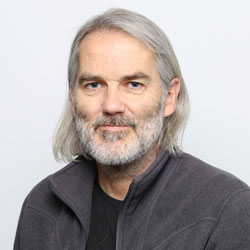
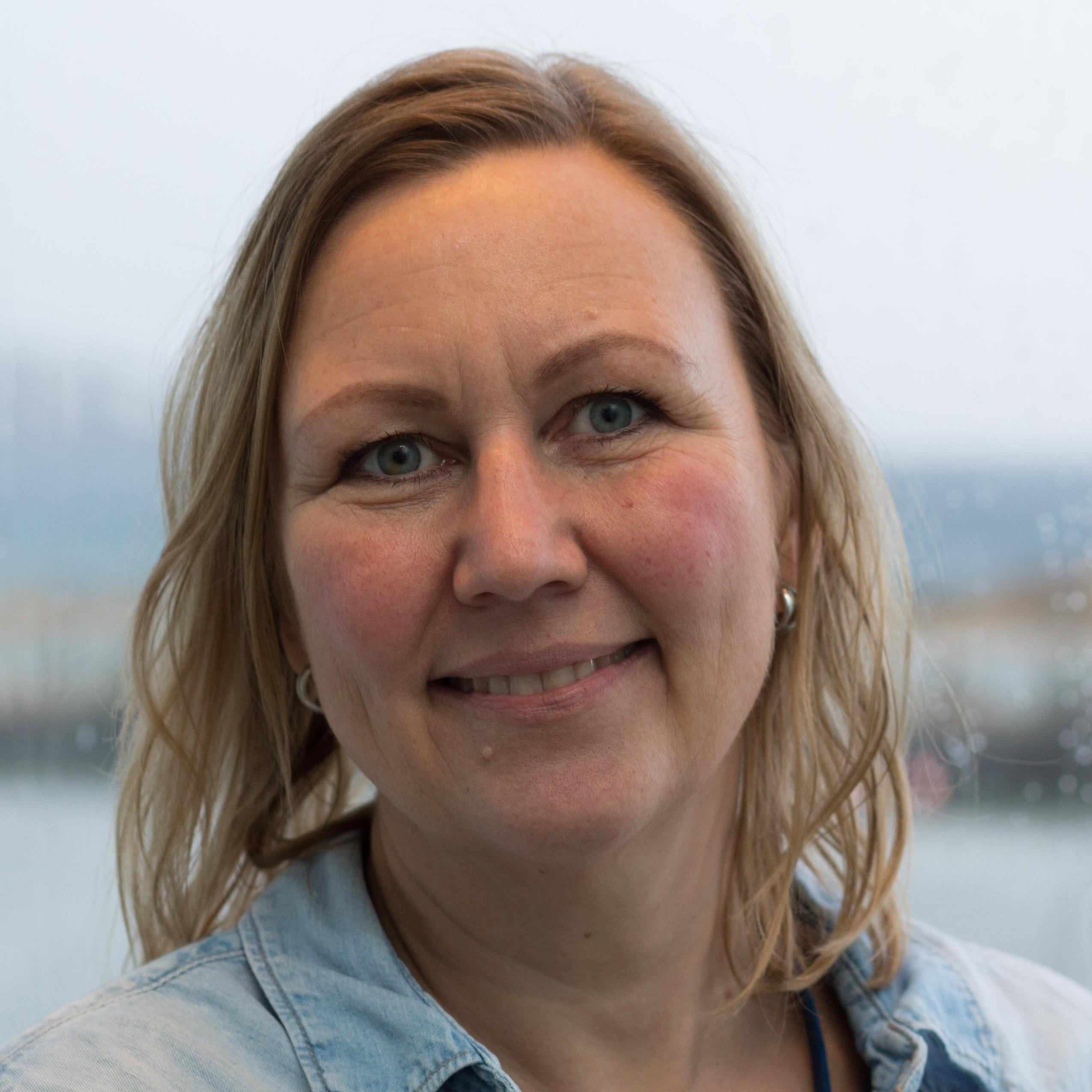
Kristin H. Lind is director at Energy Norway (Energi Norge) where she leads the department for Power grids, power systems and entrepreneurs. She will give a key-note at the CINELDI Conference on challenges and opportunities for the Norwegian distribution grid related to electrification. Her keynote title is “Electrification’s impact on the distribution grid and our everyday life”.
Kristin is experienced in the energy business. She was director for Energy in KS Bedrift and worked as business policy advisor for Grid and Market in Energy Norway. She has also worked with regulatory frameworks and was head of the metering department in Viken Nett / Hafslund Nett. She has also worked with development of tariffs in Statnett.



Comments
No comments yet. Be the first to comment!