Skip to content

SINTEF Blog Gå til forsiden

  • Energy
  • Ocean
  • Digital
  • Health
  • Industry
  • Climate and environment
  • Building
  • Society
  • EN
  • NO
Energy

Offshore grid transmission: Knowledge gap has been identified

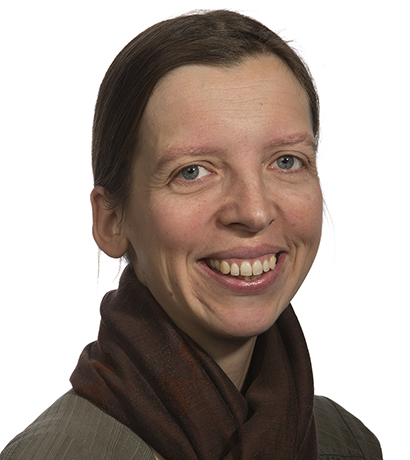
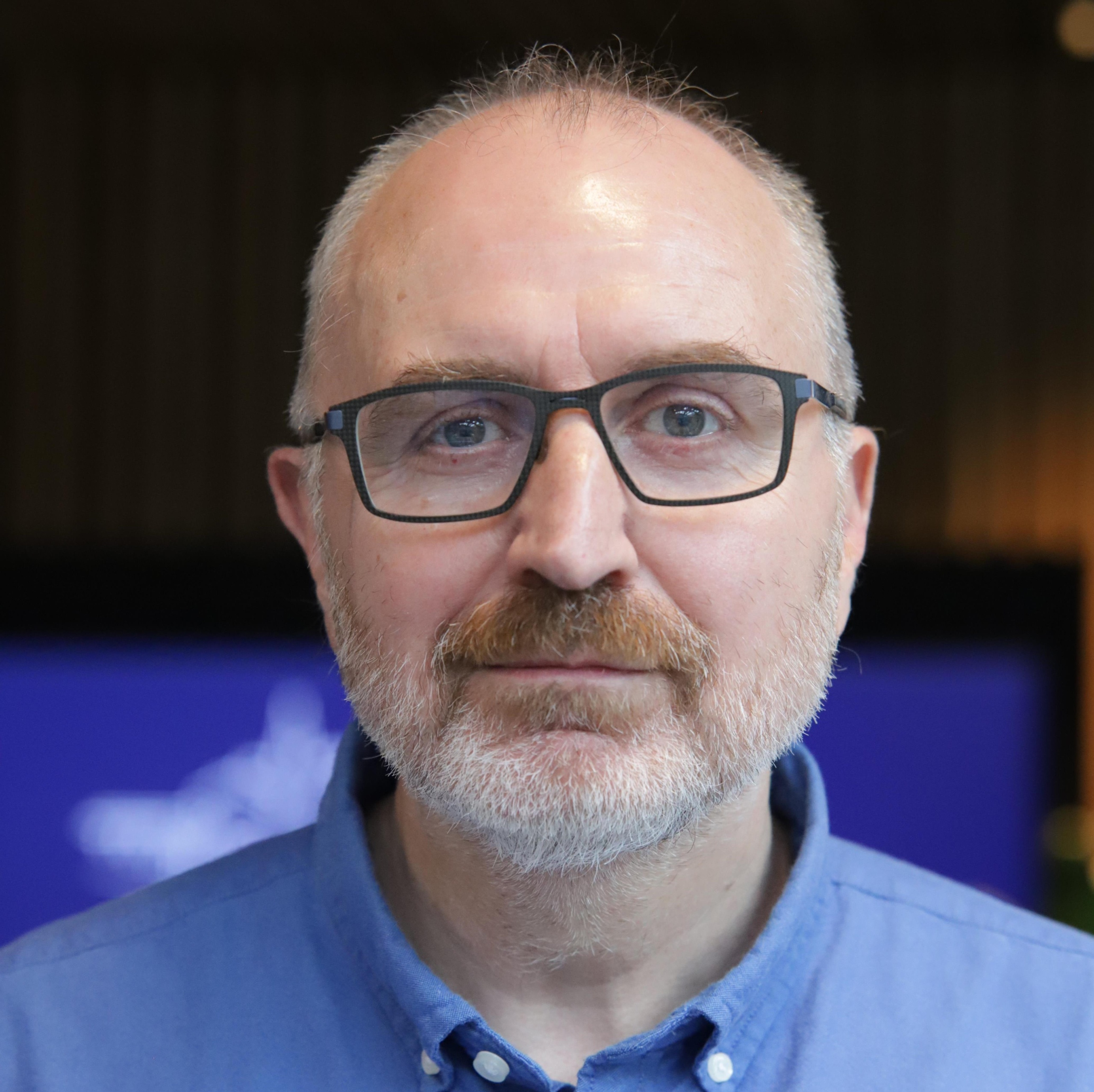
Til Kristian Vrana and Philipp Härtel
author
SINTEF
Published: 24. Jun 2016 | Last edited: 16. Apr 2025
2 min. reading
Comments (0)

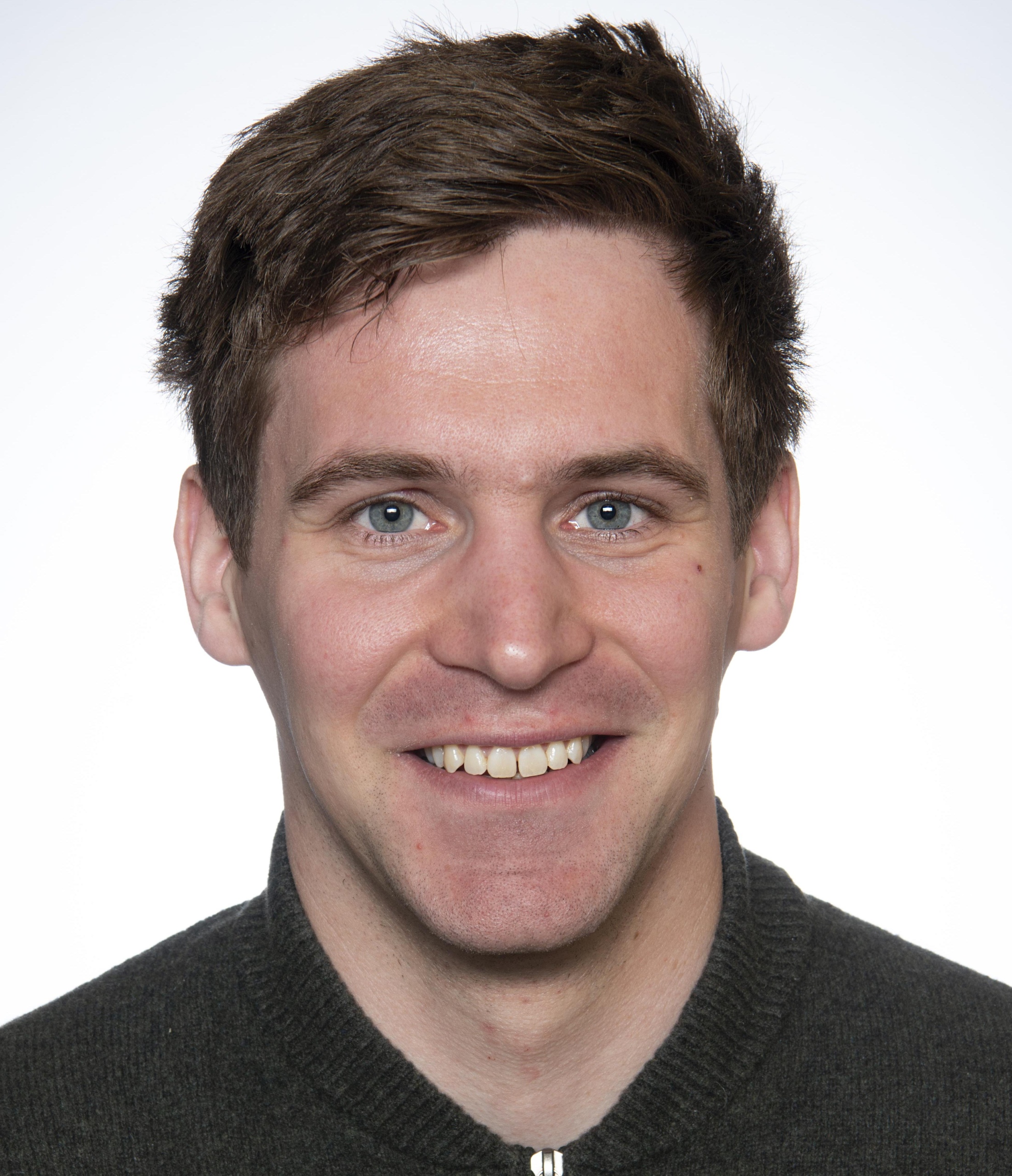
Philipp Härtel from Fraunhofer IWES in Germany is staying three months at NTNU/SINTEF as a guest researcher through the IRPwind mobility programme. During discussions with other researchers in Trondheim, a crucial knowledge gap in the field of offshore grid transmission planning has been identified: The quality of the model input data.

Data difficult to obtain

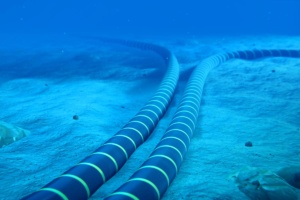
Investment models for transmission expansion planning studies always need cost estimates for infrastructure. Even though valid models are used in a study, the uncertainty of the cost input data for VSC HVDC components poses a significant problem for the validity of the results. High-quality input data on the cost of VSC HVDC components are difficult to obtain. However, due to the large number of recent and ongoing projects, significantly more data is available than only two years ago.

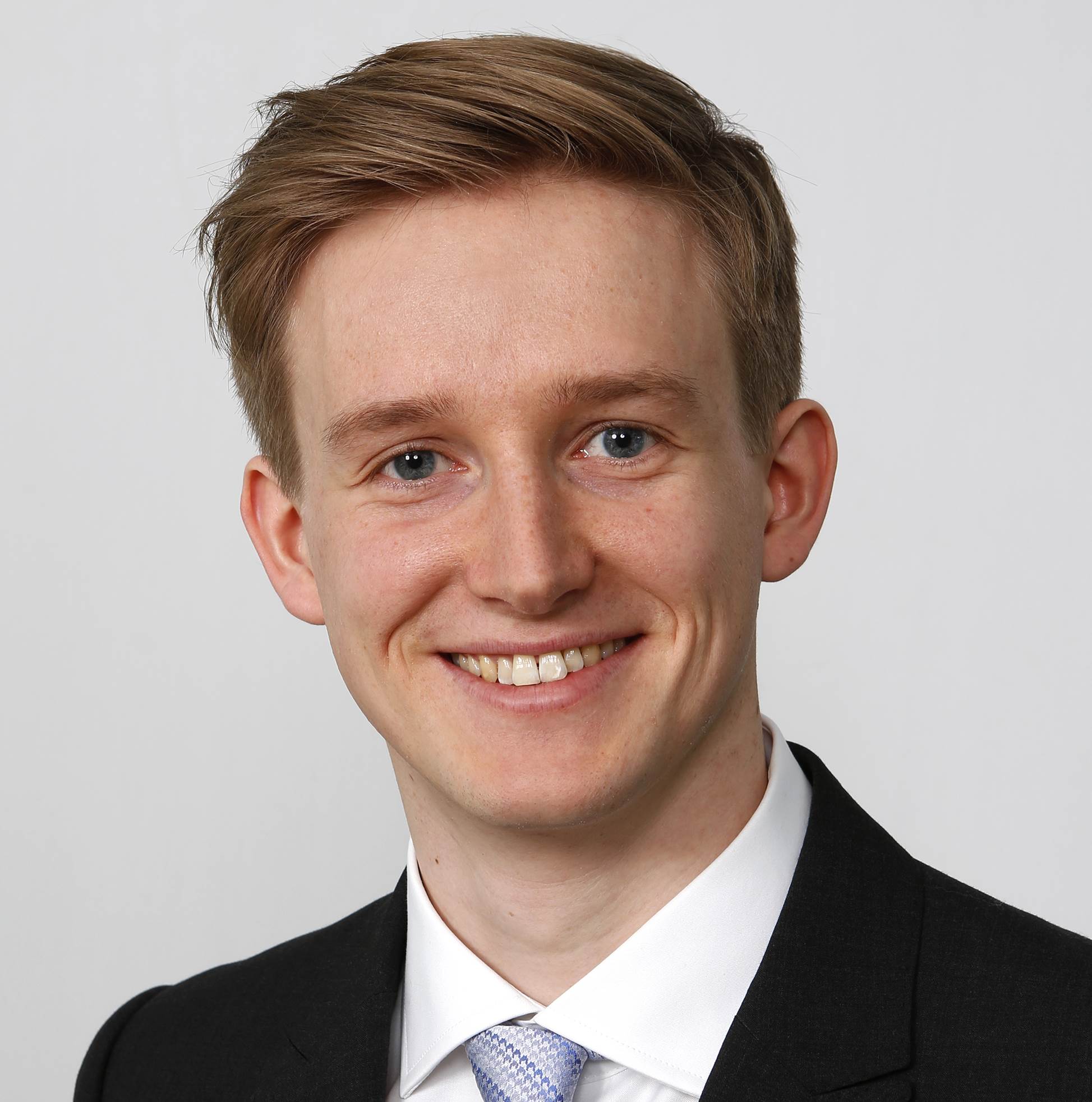
In order to address this issue, Philipp then joined forces with Til Kristian Vrana from SINTEF Energy Research. Based on published cost data of real VSC HVDC projects and cost parameter sets of existing studies, they work to condense all the available information into a more accurate cost estimation data set. This can serve as a more solid basis for future transmission investment studies, increasing the validity of the findings.

Find out more about Philipp Härtel’s project at SINTEF:
Impact of alternative flexibility options on offshore grids in the North Sea

Comments

No comments yet. Be the first to comment!

Leave a comment Cancel reply

Your email address will not be published. Required fields are marked *

More about Energy

Infographic showing the flow of thermal energy storage (TES) from surplus heat or cold to end users. On the left, red and blue thermometer icons represent surplus heat and cooling, accompanied by the text “Surplus heat or cold – Captured and stored for when it’s needed.” In the centre, a large panel titled “Thermal Energy Storage (TES)” presents three storage technologies. The top section, “Sensible TES,” shows a container with a thermometer and the text “Stores heat in one single phase.” The middle section, “Latent TES,” shows a water droplet and snowflake connected by circular arrows, with the text “Stores heat through phase change.” The bottom section, “Thermochemical TES,” shows two connected coloured circles that separate and reconnect, illustrating a reversible reaction, with the text “Stores heat through reversible reactions.” A large pale arrow-shaped wedge points from the TES panel toward the right side of the figure. On the right, three application areas are shown in separate boxes with icons: industrial processes, buildings, and data centres. The layout conveys that surplus heat or cold can be stored using sensible, latent, or thermochemical TES technologies and later supplied to industrial facilities, buildings, and data centres.

Thermal energy storage is already commercial  

Jorge Salgado Beceiro
Research Manager

Burning ammonia cleanly: How timing changes everything 

Author Image
Author Image
2 forfattere

Capturing CO₂ from waste: 14 lessons on turning a hard idea into a real project

Author Image
Author Image
Author Image
3 forfattere

Technology for a better society

  • About this blog
  • How to write a science blog
  • Sign up for our newsletter
  • News from NTNU and SINTEF
  • Facebook
Gå til SINTEF.no
SINTEF logo
© 2026 SINTEF Foundation
Privacy Editorial Press contacts Website by Headspin