Skip to content

SINTEF Blog Gå til forsiden

  • Energy
  • Ocean
  • Digital
  • Health
  • Industry
  • Climate and environment
  • Building
  • Society
  • EN
  • NO
Energy Ocean

SINTEF at COP26: SINTEF Climate Fund, North Sea, market mechanisms and green shipping on the agenda

author
Anne Steenstrup-Duch
Communications Director
Published: 29. Oct 2021 | Last edited: 28. Nov 2024
2 min. reading
Comments (0)

SINTEF will attend the UN Climate Change Conference in Glasgow, also known as COP26, from 31 October to 12 November.

We are increasing our participation at the climate summit because we recognize that the required solutions to the climate challenges, demands extensive international collaboration between businessess, governments and the scientific community.

During COP26, SINTEF will host several events and our leaders and researchers will also be part of other events on the program. Here is an overview of some of the activities where you can meet us. Note that the times are GMT time.

Do you want to get in touch with someone from SINTEF in connection with COP26? Contact communications director Anne Steenstrup-Duch. Phone 900 96 295, email: anne.steenstrup-duch@sintef.no

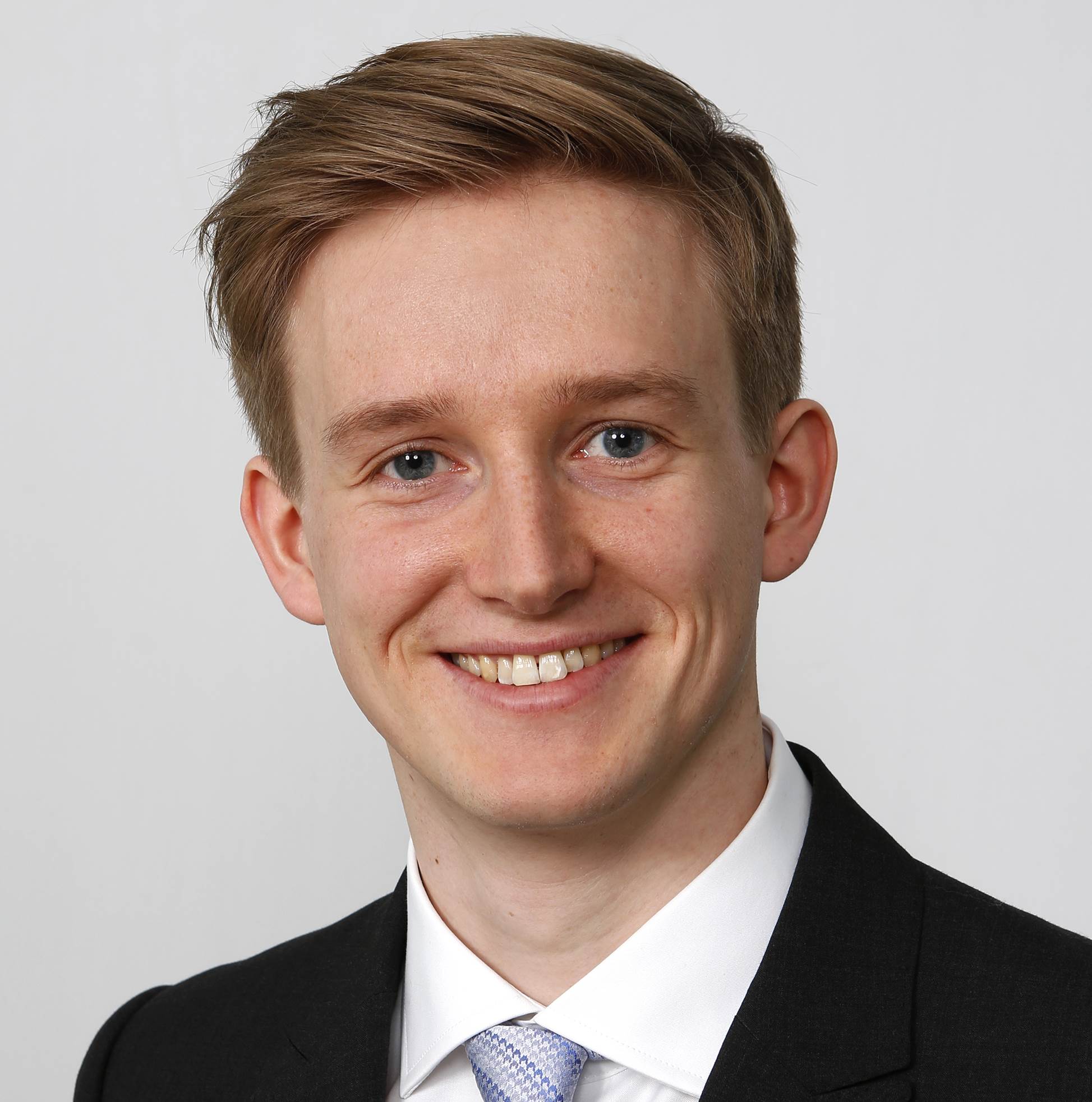
Alexandra Bech Gjørv, CEO of SINTEF, will be at the climate summit from Monday 1 November to 3 November.
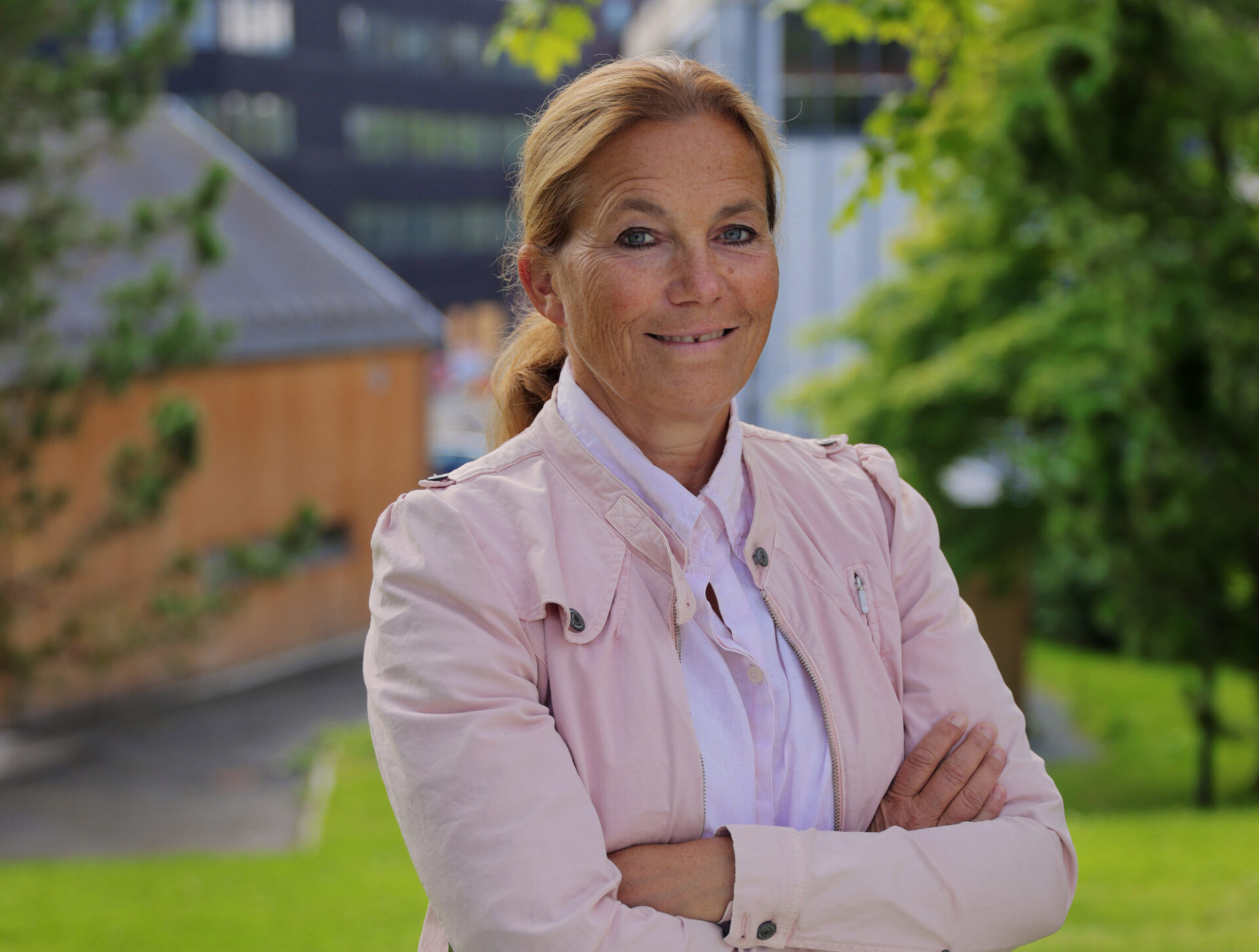
Alexandra Bech Gjørv, President and CEO, SINTEF

Alexandra Bech Gjørv will:

  • Lead the lauch of SINTEF Global Climate Fund, 2. November (Will be streamed)
  • Join a panel at an Aker Offshore Wind-event, 2. November 15:00

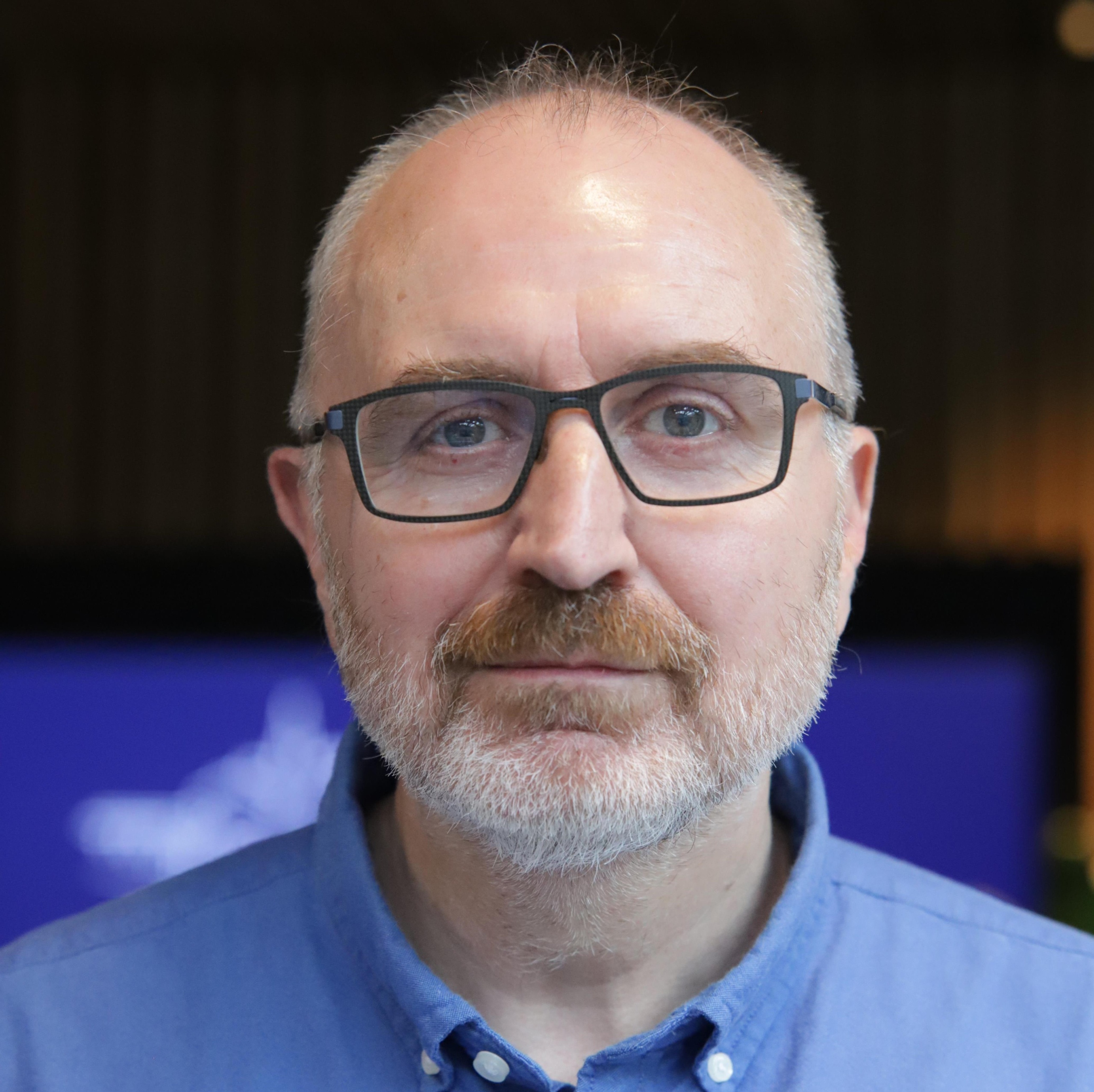
Nils Røkke, EVP Sustainability in SINTEF will be in Glasgow from Monday 1 November to 4 November, and from 8 November until 10 November.
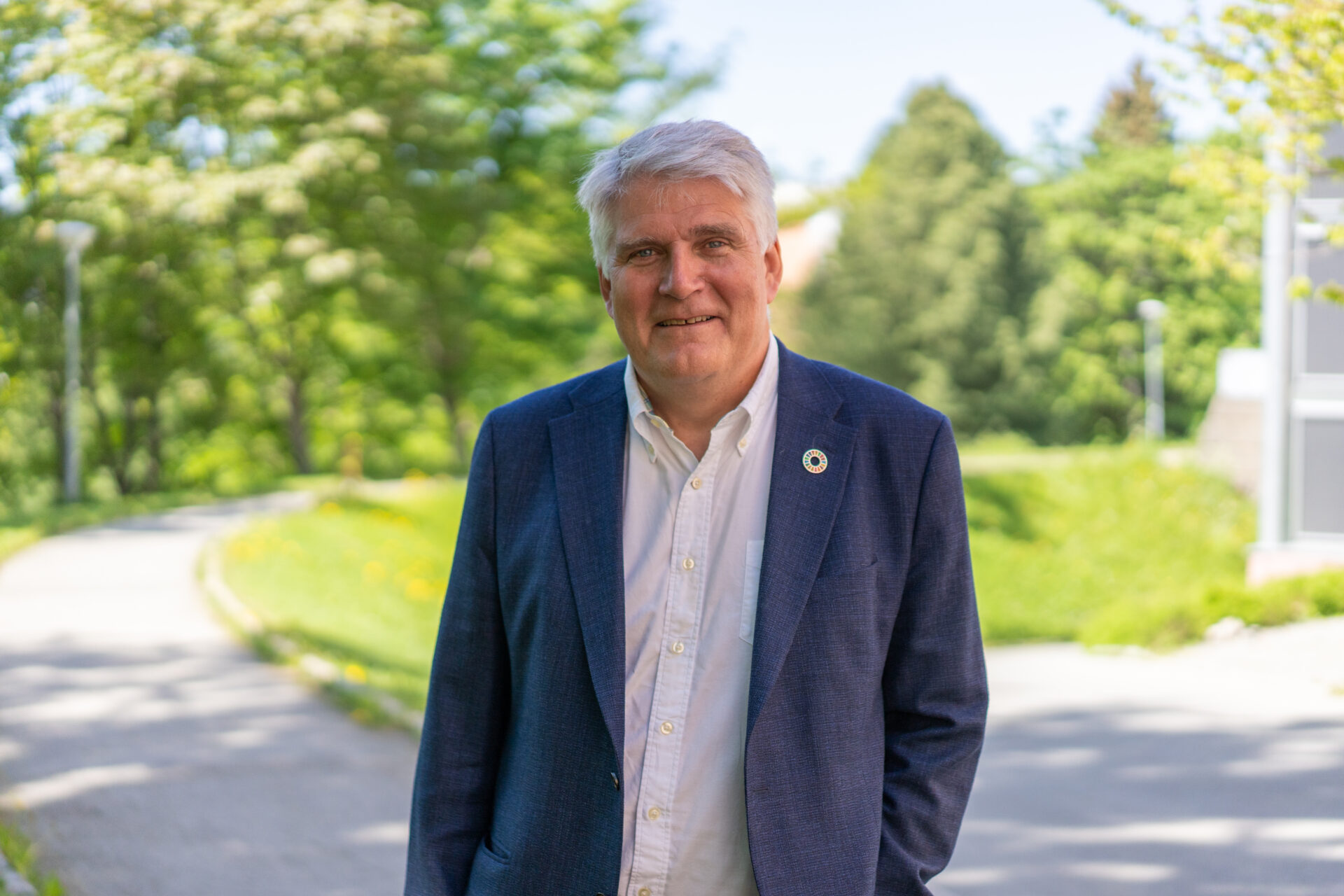
Nils Røkke, EVP Sustainability, SINTEF

Nils Røkke will

  • Join the panel at the event The role of CCS in reaching net zero by 2050, 4. November 16:00 (Will be streamed)
  • Contribute to the event hosted by UN Global Compact: «An Ocean Evening at COP26», 4. November 19:00
  • Present three recommendations at «The North Sea as a springboard for the green transition» 9. November kl 13.00 (Will be streamed)
  • Discuss Nordic Climate Neutrality and Market Mechanisms, 9. November 16:00.
  • Talk about green shipping at an Aker Clean Hydrogen event, 10. November 10:00.

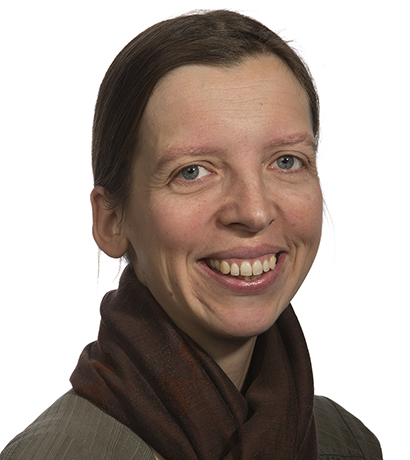
John Olav Tande, Chief Scientist and centre director for FME NorthWind will attend COP26 Tuesday 9 November and 10 November.
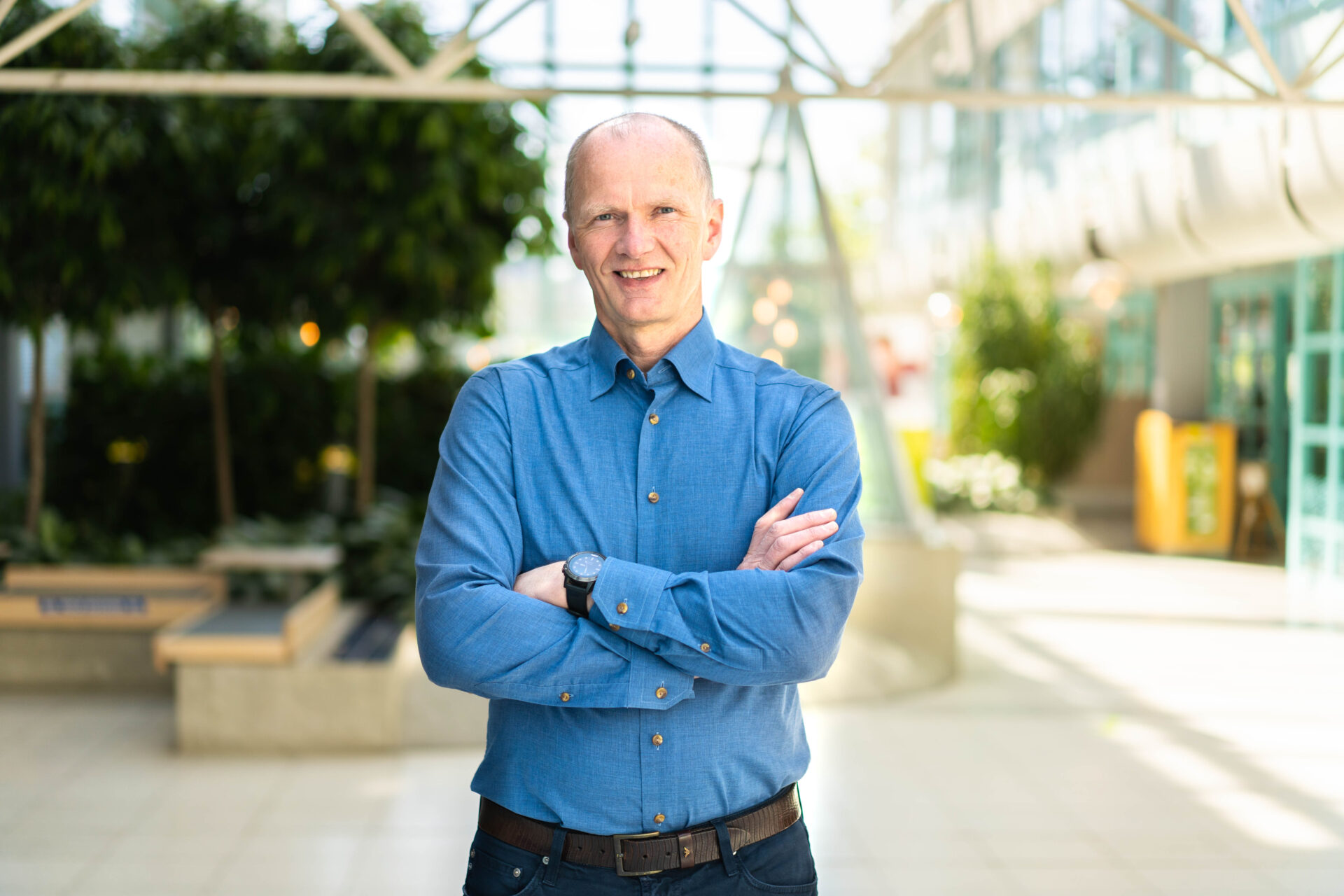
John Olav Tande, Chief Scientist, SINTEF Energy
  • John Olav will join the scientific panel at «The North Sea as a springboard for the green transition» 9. November kl 13.00 (Will be streamed)

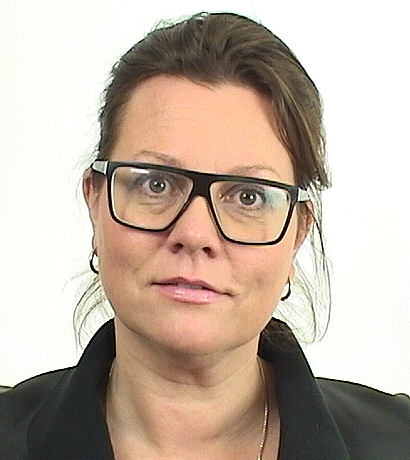
Edel Sheridan, Senior business developer and battery expert will join COP26 from Monday 8 November until Friday 12 November.
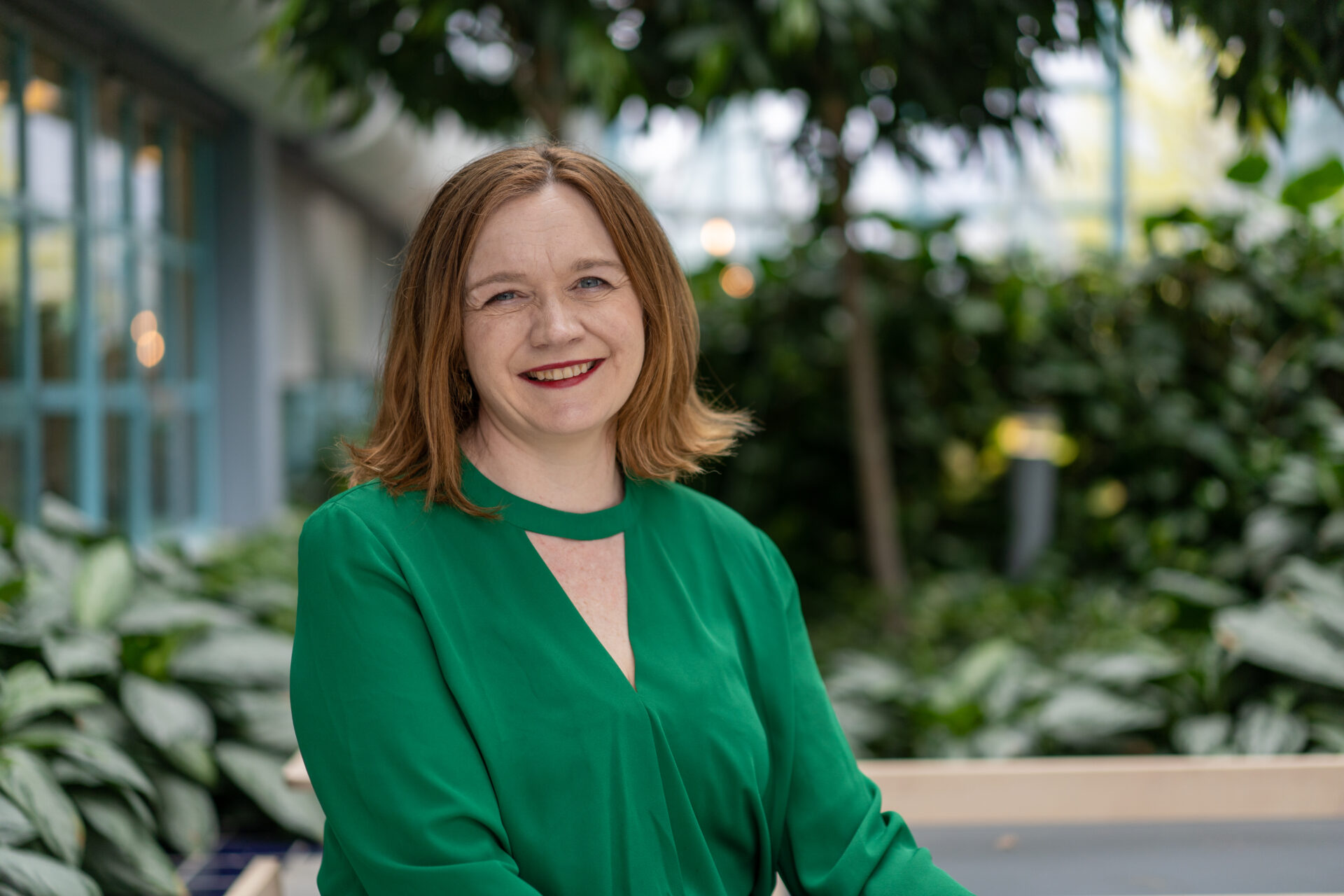
Edel Sheridan, Senior business developer, SINTEF Energy
  • Find out more about SINTEF at COP26.


Comments

No comments yet. Be the first to comment!

Leave a comment Cancel reply

Your email address will not be published. Required fields are marked *

More about Energy

How much can energy-efficient voyage planning save? Evidence from 11 months of North Atlantic data

Author Image
Author Image
2 forfattere
Infographic showing the flow of thermal energy storage (TES) from surplus heat or cold to end users. On the left, red and blue thermometer icons represent surplus heat and cooling, accompanied by the text “Surplus heat or cold – Captured and stored for when it’s needed.” In the centre, a large panel titled “Thermal Energy Storage (TES)” presents three storage technologies. The top section, “Sensible TES,” shows a container with a thermometer and the text “Stores heat in one single phase.” The middle section, “Latent TES,” shows a water droplet and snowflake connected by circular arrows, with the text “Stores heat through phase change.” The bottom section, “Thermochemical TES,” shows two connected coloured circles that separate and reconnect, illustrating a reversible reaction, with the text “Stores heat through reversible reactions.” A large pale arrow-shaped wedge points from the TES panel toward the right side of the figure. On the right, three application areas are shown in separate boxes with icons: industrial processes, buildings, and data centres. The layout conveys that surplus heat or cold can be stored using sensible, latent, or thermochemical TES technologies and later supplied to industrial facilities, buildings, and data centres.

Thermal energy storage is already commercial  

Jorge Salgado Beceiro
Research Manager

Burning ammonia cleanly: How timing changes everything 

Author Image
Author Image
2 forfattere

Technology for a better society

  • About this blog
  • How to write a science blog
  • Sign up for our newsletter
  • News from NTNU and SINTEF
  • Facebook
Gå til SINTEF.no
SINTEF logo
© 2026 SINTEF Foundation
Privacy Editorial Press contacts Website by Headspin