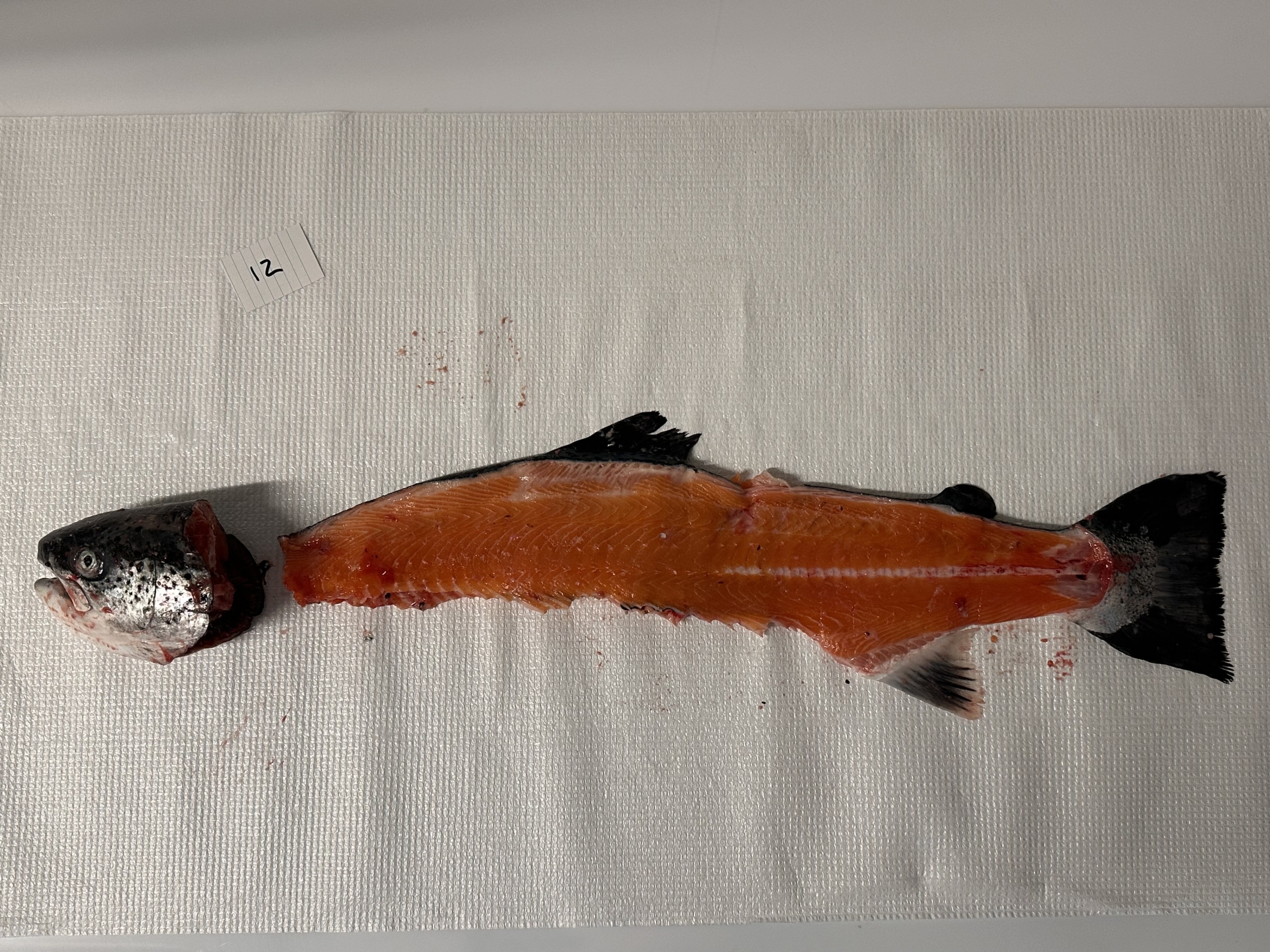



Knowing how much of a fish is classified as “edible”, and how this percentage can vary across seasons, processing technologies, species, and market destinations, is essential for assessing sustainability, food loss, and resource efficiency in the Norwegian seafood sector. Although the concept appears straightforward, it hides considerable biological, technological, and market‑driven complexity.
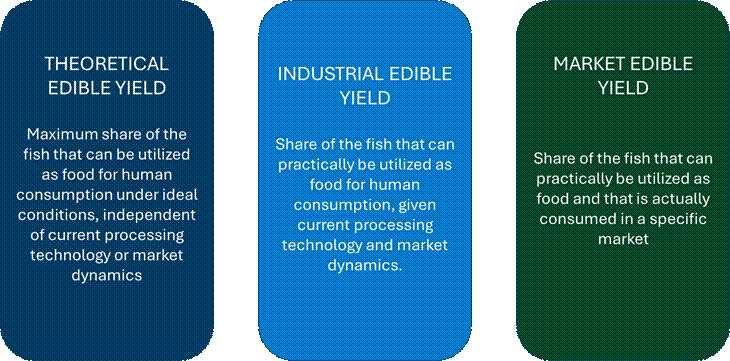
To bring clarity to this topic we introduce a set of new terminology and definitions for different types of edible yield: theoretical, industrial, and market‑specific. These were developed together with industry actors through webinars and digital interviews.
Why is there no consensus on the edible yield
Unlike many other food categories, fish lack a globally standardised definition of what constitutes the “edible” portion. Cultural practices and market requirements vary substantially.
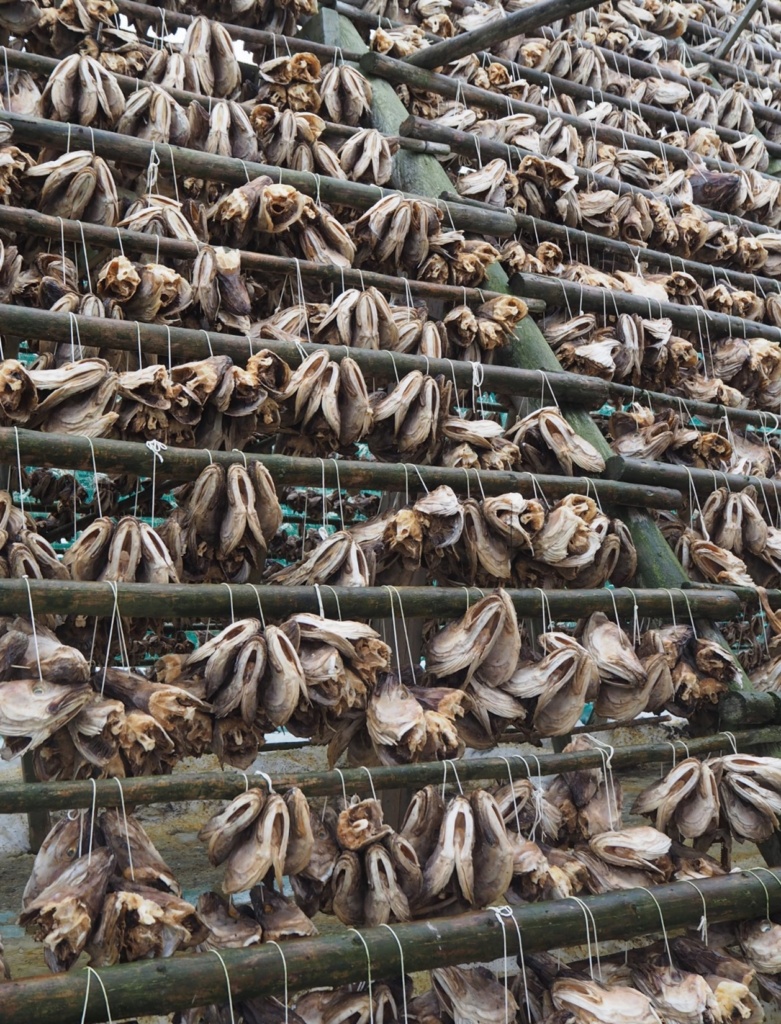
In salmon production, the fillet is typically considered the edible part. However, other components such as skin, heads, and belly flaps are sold as food in some markets but not in others. For Norwegian consumers, the fillet is the main edible product for most fish species, although when it comes to cod, the roe and liver are also consumed seasonally. Additional fractions such as cod tongues, cheeks, dried heads, and backbones may be eaten directly or exported for human consumption.
These cultural preferences and market differences strongly influence what proportion of the fish is ultimately consumed. For example, salmon belly flaps are served as food in certain markets but are used as animal feed ingredients in others.
In theory, all fish flesh/meat can be considered edible, but the amount and distribution of fish meat is determined by the biological characteristics of the fish. Furthermore, technological constraints prevent industry from achieving the maximum theoretical edible yield especially due to large scale processing in automated facilities.
For these reasons, we propose three complementary terms for edible yield, reflecting what is biologically possible, what is industrially achievable, and what is actually eaten in specific markets.
The need for updated conversion factors
Norway has long relied on official conversion factors published by the Norwegian Directorate of Fisheries to convert different seafood products to the live weight. However, some of the most relevant numbers have not been revised over the last 20-30 years, and many in the industry argue that these numbers no longer reflect reality. Biological variation, evolving technology, and diverse market requirements have changed the picture.
To address this, our guidance document draws on fresh data directly from seafood companies, ensuring that the resulting factors better reflect current processing conditions. These updated numbers can support a higher level of accuracy in:
- Environmental footprint calculations
- Food waste and quantification of rest raw materials
- Nutritional studies
- Resource utilisation assessments
- Policy and quota discussions
Since the dataset is industry-driven, it also increases trust and acceptance among producers and researchers alike.
For farmed species like salmon and trout, yield can vary due to factors such as:
- Seasonal changes in fat content
- Head size differences (especially October–December)
- Melanin spots and trimming losses
- Bleeding method
- Harvesting practices (e.g., fasting period, pre‑rigor processing)
- Market-specific trimming requirements
For wild fish, the picture is even more complex:
Seasonality plays a major role, particularly for cod during spawning season when roe, milt, and stomach content significantly influence yield. Other factors include fishing gear type (gillnetted fish are often “fuller” than line‑caught fish), storage in water tanks before landing, onboard handling and cooling, quality grades and buyer specifications. For some species, stomach content can reach up to 20% of body weight, dramatically altering yield calculations.
This variability has prompted new models, such as the “Hovden model”, which allows dynamic quota factors in winter cod fisheries, acknowledging that a single static conversion number doesn’t capture reality.
Why accurate edible yield assessments matter for sustainability
For sustainability assessments — especially calculations of food waste and climate impacts — it is crucial to understand which parts of the fish are actually used for food at the consumer level.
When estimating emissions per edible portion, or dinner plate if you like, unrealistic yield assumptions can significantly under‑ or overestimate the environmental footprint. Therefore, using market‑specific edible yield is essential to avoid misleading conclusions.
Determining how much food is edible
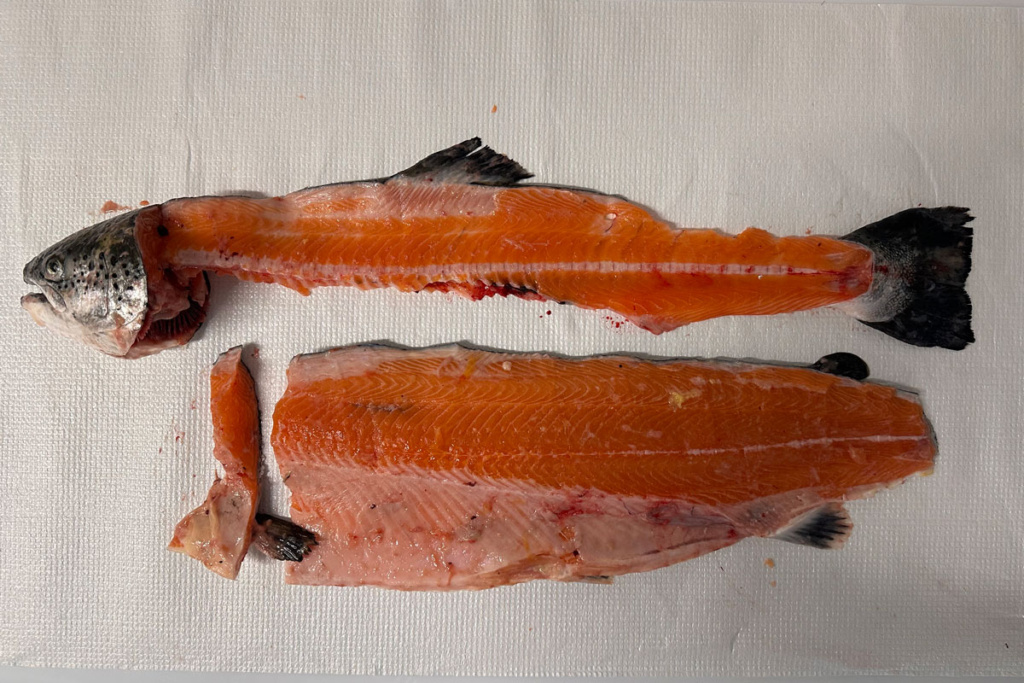
Which parts of a fish are deemed edible or not is often influenced by the consumer in the different markets. In the case of farmed salmon, different fillet trims (typically referred to as A-E trims) result in different fractions that could potentially be eaten by the end consumer in some markets but not all. There is a lack of recent data on how much these different fractions typically weigh in proportion to the whole fish.
To fill this data gap, SINTEF will work with Norwegian salmon industry partners to conduct experiments on fractionating salmon into standard fractions. Using a representative set of fish, the project will measure the weight of each fraction to support edible portion calculations. The results will be used to create a practical guide for salmon fractioning and to explore whether similar guides can be developed for other fish species.
Guidance document
Veileder for Spiselig andel for fisk (NIVA)
This work is carried out as part of two research projects financed by the Norwegian Seafood Research Fund, project no. 902035 and project no. 910414.







Comments
No comments yet. Be the first to comment!