
Skip to content

SINTEF Blog Gå til forsiden

  • Energy
  • Ocean
  • Digital
  • Health
  • Industry
  • Climate and environment
  • Building
  • Society
  • EN
  • NO
Energy

We welcome two new students to NCCS Task 1

NCCS Task 1, CCS Value Chain and Legal Aspects, is happy to announce that Dr. Ozgu Turgut and Vegard Skonseng Bjerketvedt have started in the Centre as a postdoctoral researcher and PhD candidate, respectively.

CCS, CCUS, ZEP, NCCS, FME, EU, EC
author
Amy Brunsvold
Research Manager
Published: 19. Feb 2018 | Last edited: 14. Apr 2025
2 min. reading
Comments (2)

NCCS Task 1, CCS Value Chain and Legal Aspects, is happy to announce that two students have started their work within the Centre. Both researchers are advised by Prof. Asgeir Tomasgard in the Department of Industrial Economics and Technology at NTNU, and co-advised by Task 1 leader, Research Scientist Simon Roussanaly from SINTEF Energy Research.

View all NCCS postdoctoral researchers and PhD candidates on the NCCS website

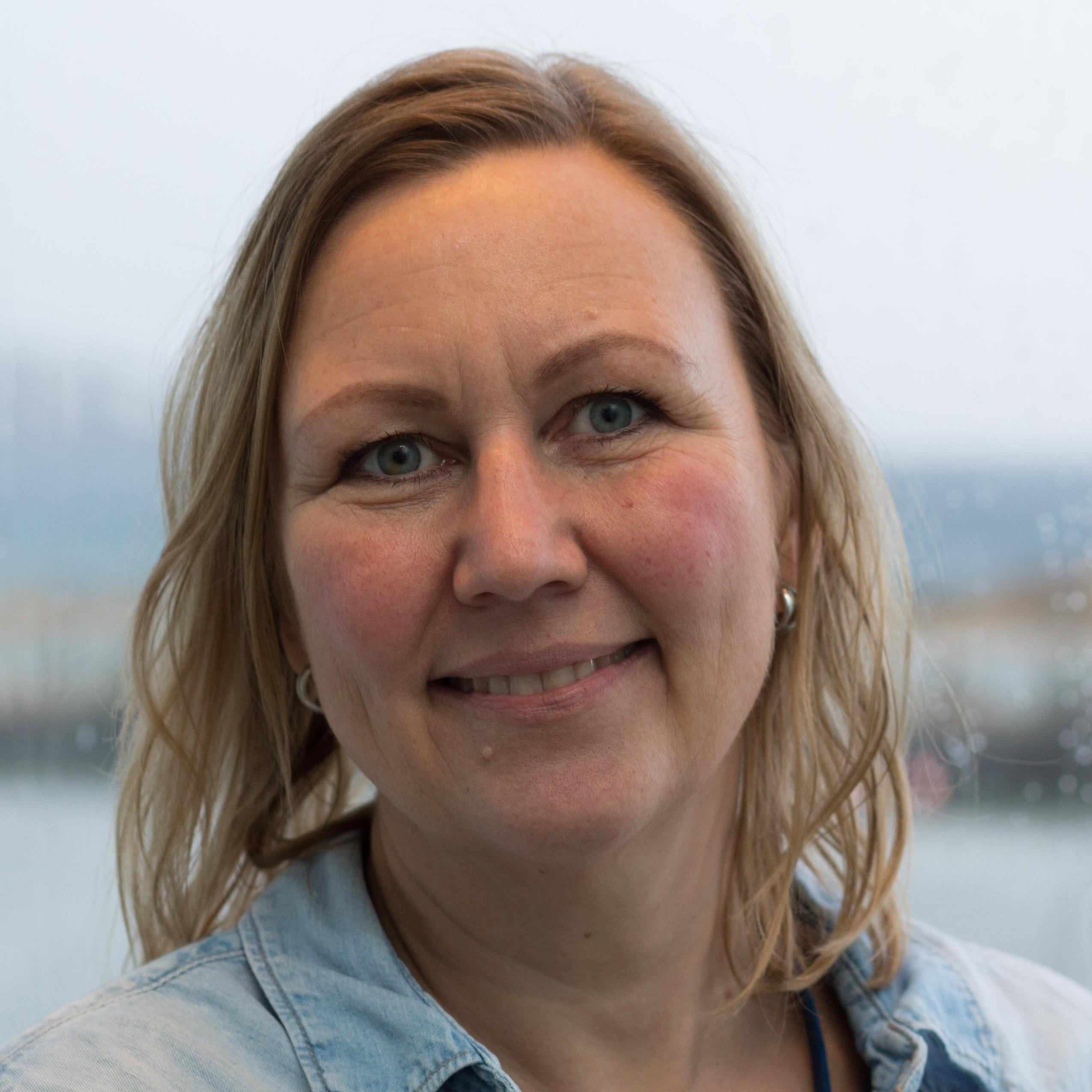
Dr. Ozgu Turgut

She is a Post-doctoral researcher who will study the role of CCS in the decarbonizing of the energy and industrial sector in Norway and Europe. She has experience in supply chain design tools from her time at Llamsoft Inc. and she has a strong background in probability, statistics, and simulations. Dr. Turgut holds a B.S. and a M.Sc. degree from Bosporus University and Yeditepe University of Turkey respectively; and a Ph.D. from Wayne State University (USA) in industrial and systems engineering fields.
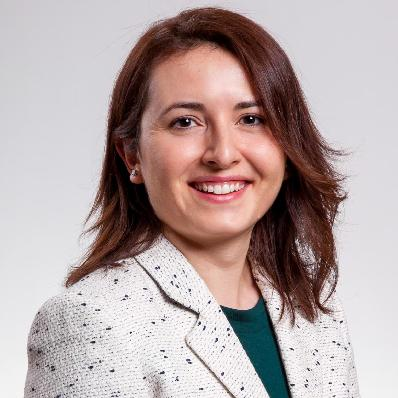
Dr Ozgu Torgut, Post-Doctoral Researcher in NCCS

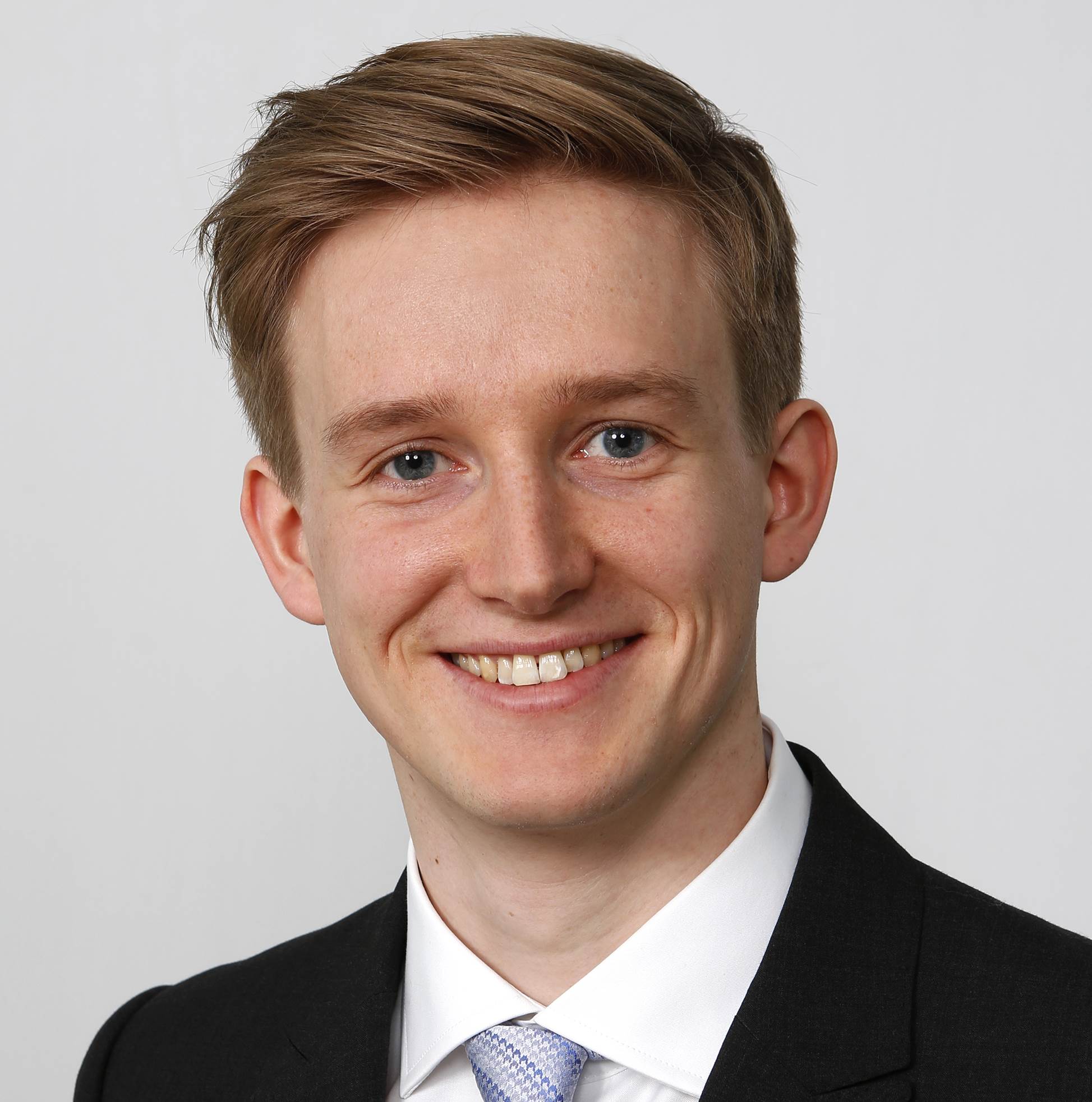
Vegard Skonseng Bjerketvedt

He is a Ph.D. student who will study the optimal design and operation of CCS value chains with focus on the transport system, including the optimal transport shipping conditions. He has a MSc in energy and environmental engineering from NTNU with emphasis on electrical engineering, economics, and decision-making uncertainty. He has also worked at Statnett as a power systems analyst.

Vegard Skonseng Bjerkevedt, Ph.D. student in NCCS

On February 15th, 2018, the Task 1 CO2 value chain team held a workshop at the Statoil Research Center at Rotvoll in Trondheim to welcome the students, align the work in Task 1, and plan for future research activities within NCCS.

We welcome Ozgu and Vegard to NCCS and we are excited to educate the next generation of CCS researchers within our Centre!  Good luck to you both!
Comments

Simon Roussanaly says:
3. May 2018 at 22:56

Yes, there is! Please send me your request at simon.roussanaly@sintef.no to that I can point you toward the right person.

Reply
Morten Øien says:
30. April 2018 at 11:28

Anybody with legal expertise involved in this task p.t.?

Reply

Leave a comment Cancel reply

Your email address will not be published. Required fields are marked *

More about Energy

How much can energy-efficient voyage planning save? Evidence from 11 months of North Atlantic data

Author Image
Author Image
2 forfattere
Infographic showing the flow of thermal energy storage (TES) from surplus heat or cold to end users. On the left, red and blue thermometer icons represent surplus heat and cooling, accompanied by the text “Surplus heat or cold – Captured and stored for when it’s needed.” In the centre, a large panel titled “Thermal Energy Storage (TES)” presents three storage technologies. The top section, “Sensible TES,” shows a container with a thermometer and the text “Stores heat in one single phase.” The middle section, “Latent TES,” shows a water droplet and snowflake connected by circular arrows, with the text “Stores heat through phase change.” The bottom section, “Thermochemical TES,” shows two connected coloured circles that separate and reconnect, illustrating a reversible reaction, with the text “Stores heat through reversible reactions.” A large pale arrow-shaped wedge points from the TES panel toward the right side of the figure. On the right, three application areas are shown in separate boxes with icons: industrial processes, buildings, and data centres. The layout conveys that surplus heat or cold can be stored using sensible, latent, or thermochemical TES technologies and later supplied to industrial facilities, buildings, and data centres.

Thermal energy storage is already commercial  

Jorge Salgado Beceiro
Research Manager

Burning ammonia cleanly: How timing changes everything 

Author Image
Author Image
2 forfattere

Technology for a better society

  • About this blog
  • How to write a science blog
  • Sign up for our newsletter
  • News from NTNU and SINTEF
  • Facebook
Gå til SINTEF.no
SINTEF logo
© 2026 SINTEF Foundation
Privacy Editorial Press contacts Website by Headspin