Skip to content

SINTEF Blog Gå til forsiden

  • Energy
  • Ocean
  • Digital
  • Health
  • Industry
  • Climate and environment
  • Building
  • Society
  • EN
  • NO
Energy Industry Ocean

Three celebrations in one – new EU project, new laboratories, and the 100th anniversary of the NTNU Waterpower lab

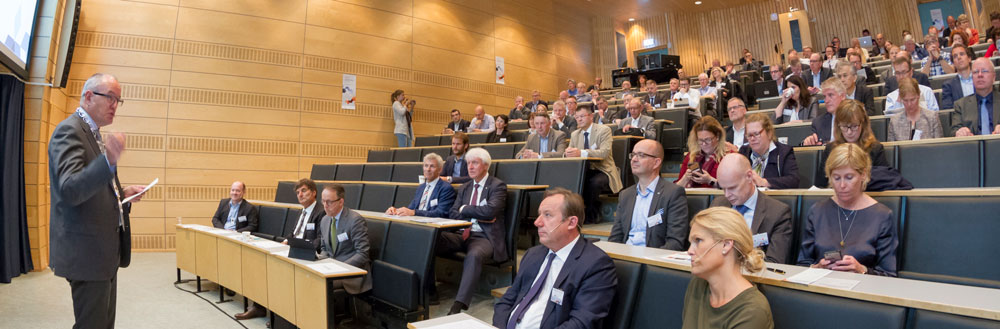
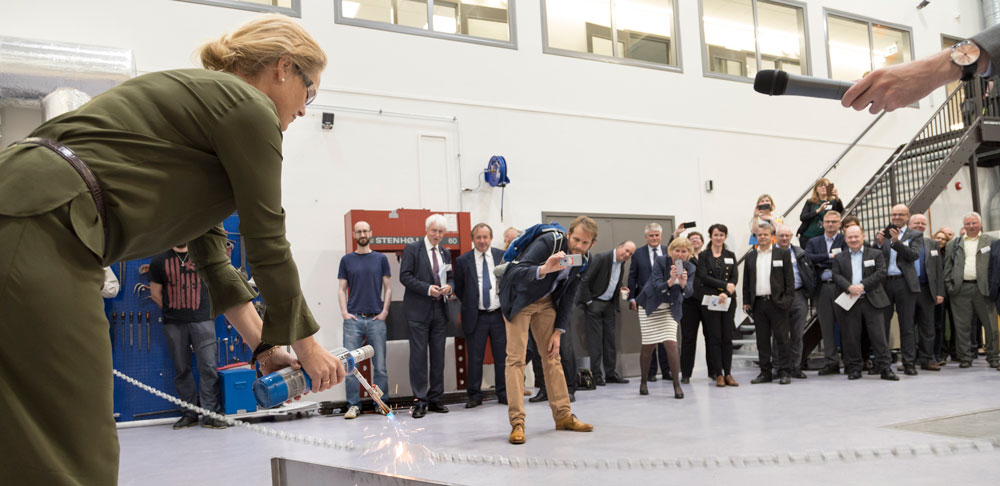
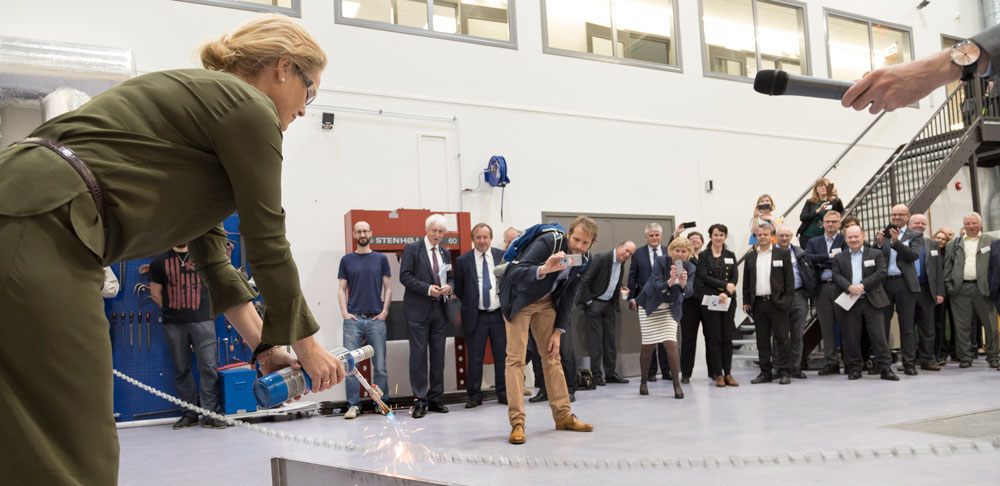
Ingvil Smines Tybring-Gjedde, State Secretary in the Ministry of Petroleum and Energy opened the laboratory by burning off a chain as a part of the formal opening.
author
Astrid Benedicte Lundquist
Senior Consultant
Published: 13. Jun 2017 | Last edited: 15. Apr 2025
3 min. reading
Comments (0)

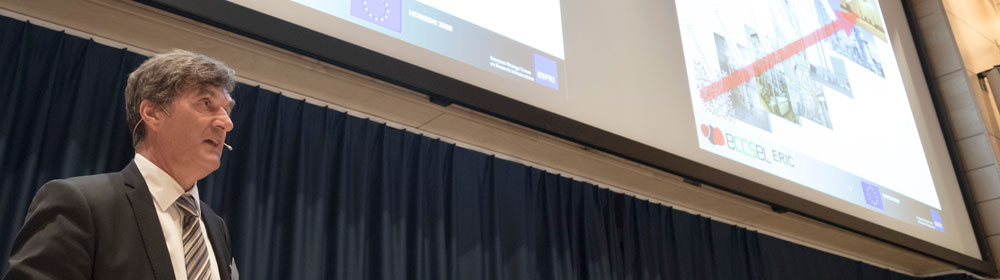
On Monday 12 June, Trondheim is making a name for itself as a new European research capital for climate change technology, now that NTNU and SINTEF have been jointly awarded coordinator status for the European CCS infrastructure project ECCSEL ERIC.

The day kicked-off with this film:

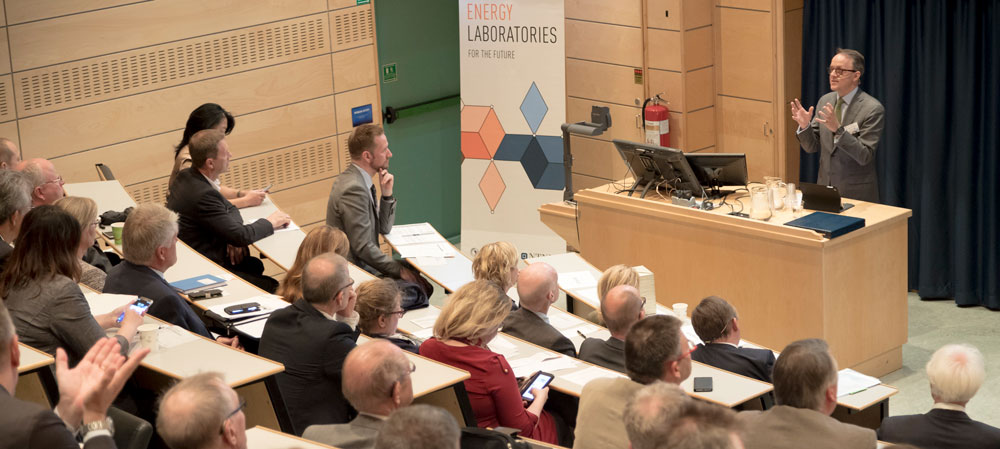
Energy laboratories for the future – the presentations:

NTNU and SINTEF provide for the Green Transition, with excellent laboratories

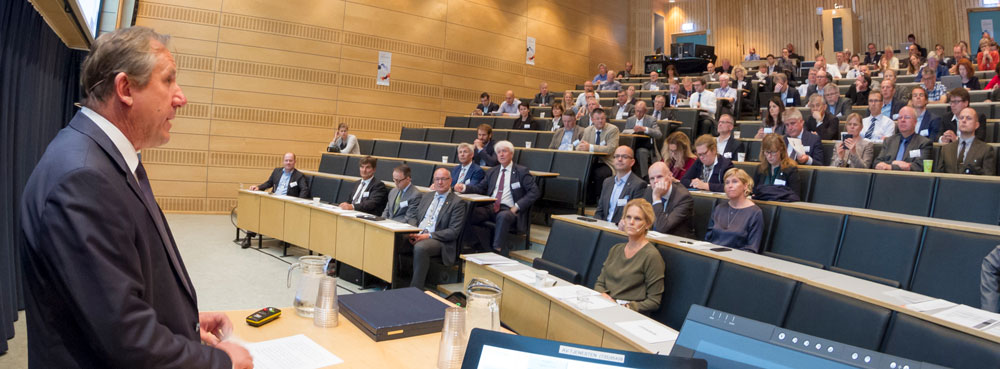
Gunnar Bovim, Rector of NTNU
Gunnar Bovim, Rector of NTNU. Photo: NTNU/Thor Nielsen

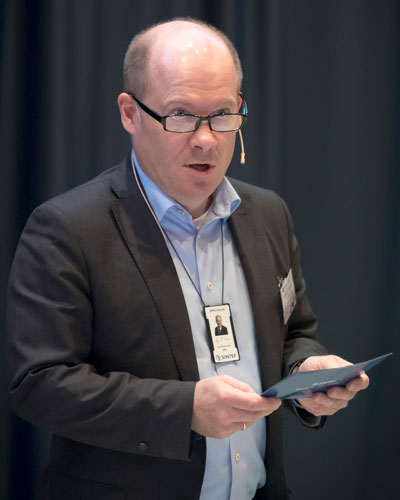
Inge Gran’s presentation: To succeed, we must work across borders

Inge R. Gran, President for SINTEF Energy Research
Inge R. Gran, President for SINTEF Energy Research. Photo: NTNU/Thor Nielsen

Norway as host for ECCSEL ERIC and the importance of research infrastructure, Wolfgang Burtscher, Deputy Director-General of the European Commission’s Directorate-General for Research & Innovation.

Wolfgang Burtscher, Deputy Director-General of the European Commission’s Directorate-General for Research & Innovation
Wolfgang Burtscher, Deputy Director-General of the European Commission’s Directorate-General for Research & Innovation. Photo: NTNU/Thor Nielsen

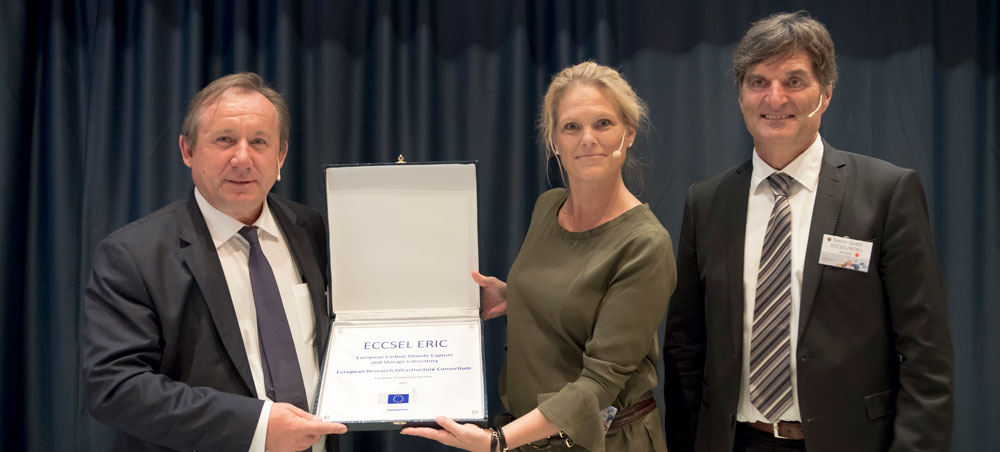
Official handover of the ECCSEL ERIC plaque

Wolfgang Burtscher presents the ECCEL ERIC plaque to Ingvil Smines Tybring-Gjedde and Sverre Quale, direktor of the ECCSEL laboratories.
Wolfgang Burtscher presents the ECCEL ERIC plaque to Ingvil Smines Tybring-Gjedde and Sverre Quale, direktor of the ECCSEL laboratories. Photo: NTNU/Thor Nielsen

Possibilities and challenges for the Green Transition, Ingvil Smines Tybring-Gjedde, State Secretary in the Ministry of Petroleum and Energy

Carbon Capture and Storage possibilities and ECCSEL. What is new within CCS research?, Sverre Quale, ECCSEL project director

Director of the ECCSEL laboratory Sverre Quale. Photo: NTNU/Thor Nielsen

The Waterpower laboratory’s significance for the Norwegian society now and in the future, Oluf Ulseth, Chief Executive of Energy Norway

Oluf Ulseth, Chief Executive of Energy Norway
Oluf Ulseth, Chief Executive of Energy Norway, Photo: NTNU/Thor Nielsen

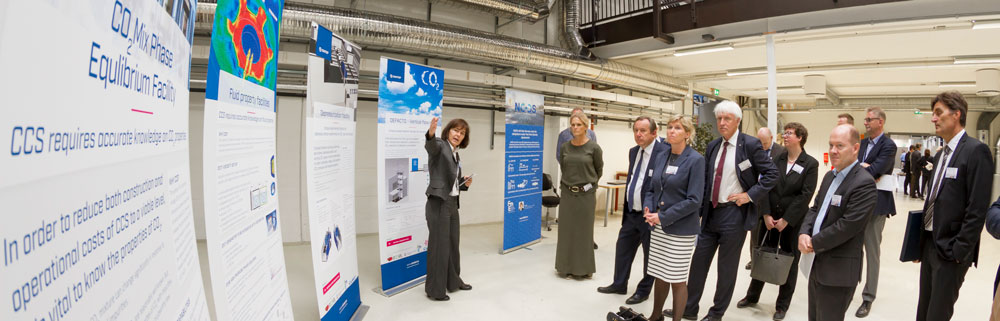
Opening ceremony in the renewed Thermal Energy laboratories with guided tour

Ingvil Smines Tybring-Gjedde, State Secretary in the Ministry of Petroleum and Energy opened the laboratory by burning off a chain as a part of the formal opening.
Ingvil Smines Tybring-Gjedde, State Secretary in the Ministry of Petroleum and Energy opened the laboratory by burning off a chain as a part of the formal opening. Photo: NTNU/Thor Nielsen
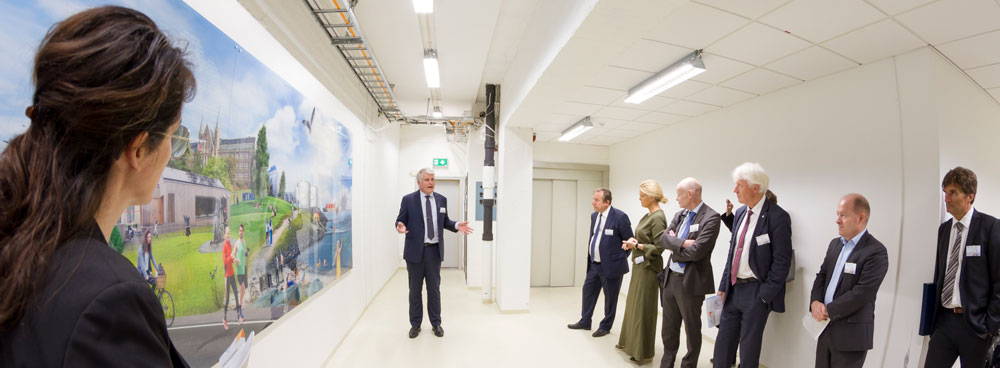
Nils A. Røkke presenting the illustration that show the research areas of the laboratory.
Nils A. Røkke, Executive Vice President Sustainability – SINTEF and Terese Løvås, NTNU, presenting the illustration that show the research areas of the laboratory. Photo: NTNU/Thor Nielsen
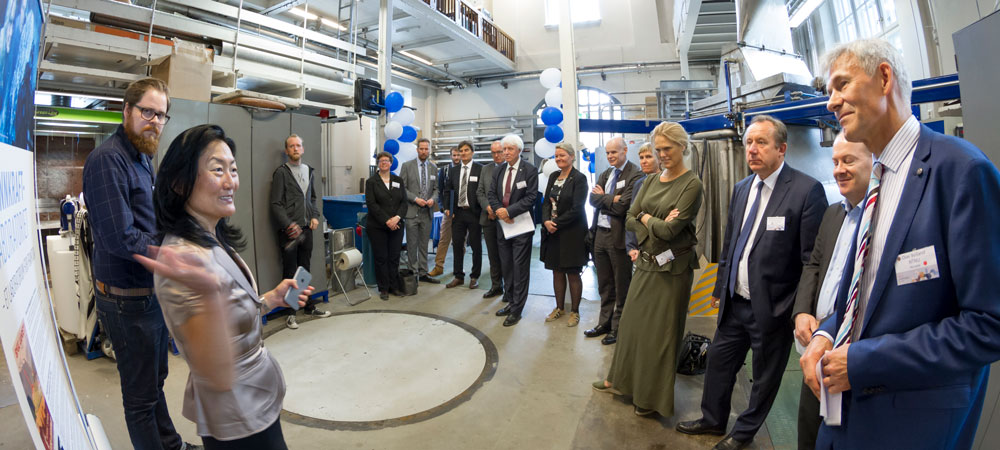
Mona Mølnvik, Research Director SINTEF, presenting new and vital laboratory infrastructure.
Mona Mølnvik, Research Director SINTEF, presenting new and vital laboratory infrastructure. Photo: NTNU/Thor Nielsen


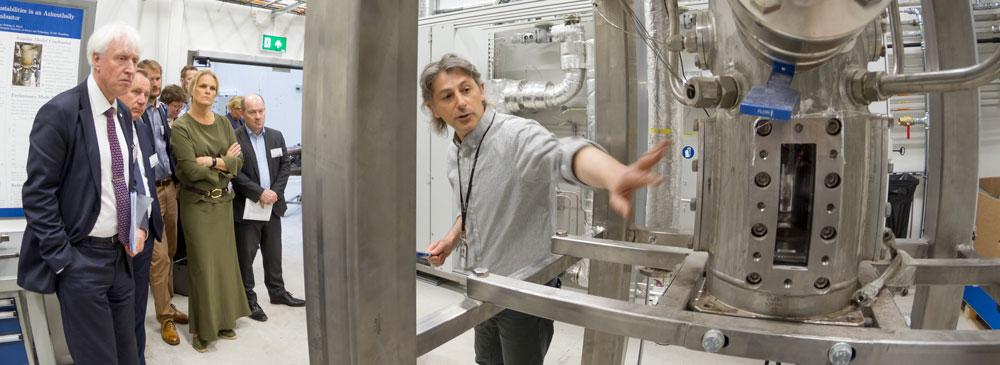
Mario Ditaranto, Senior Research Scientist - SINTEF, presenting the HIPROX facility.
Mario Ditaranto, Senior Research Scientist – SINTEF, presenting the HIPROX facility. Photo: NTNU/Thor Nielsen

The Waterpower laboratory: then and now

Hege Brende, Centre Director FME Hydrocen, presentin HydroCen at the Waterpower laboratory.
Hege Brende, Centre Director FME Hydrocen, presentin HydroCen at the Waterpower laboratory. Photo: NTNU/Thor Nielsen
 

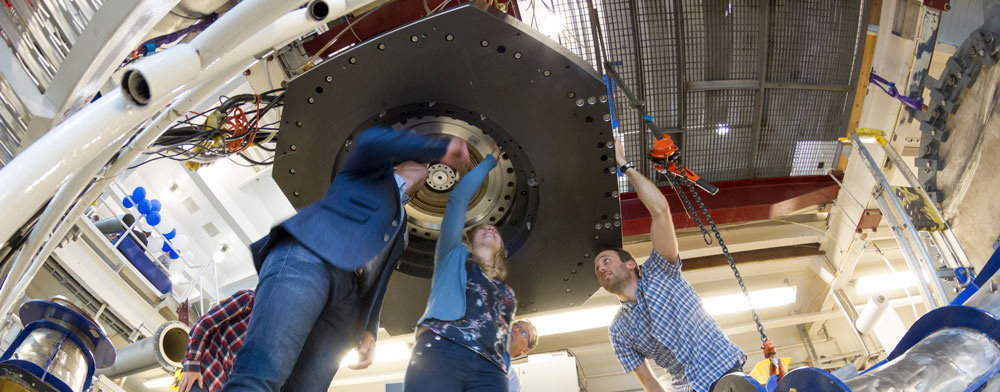
Guest studying intricate details in at the Waterpower laboratory.
Guest studying intricate details in at the Waterpower laboratory. Photo: NTNU/Thor Nielsen


Comments

No comments yet. Be the first to comment!

Leave a comment Cancel reply

Your email address will not be published. Required fields are marked *

More about Energy

How much can energy-efficient voyage planning save? Evidence from 11 months of North Atlantic data

Author Image
Author Image
2 forfattere
Infographic showing the flow of thermal energy storage (TES) from surplus heat or cold to end users. On the left, red and blue thermometer icons represent surplus heat and cooling, accompanied by the text “Surplus heat or cold – Captured and stored for when it’s needed.” In the centre, a large panel titled “Thermal Energy Storage (TES)” presents three storage technologies. The top section, “Sensible TES,” shows a container with a thermometer and the text “Stores heat in one single phase.” The middle section, “Latent TES,” shows a water droplet and snowflake connected by circular arrows, with the text “Stores heat through phase change.” The bottom section, “Thermochemical TES,” shows two connected coloured circles that separate and reconnect, illustrating a reversible reaction, with the text “Stores heat through reversible reactions.” A large pale arrow-shaped wedge points from the TES panel toward the right side of the figure. On the right, three application areas are shown in separate boxes with icons: industrial processes, buildings, and data centres. The layout conveys that surplus heat or cold can be stored using sensible, latent, or thermochemical TES technologies and later supplied to industrial facilities, buildings, and data centres.

Thermal energy storage is already commercial  

Jorge Salgado Beceiro
Research Manager

Burning ammonia cleanly: How timing changes everything 

Author Image
Author Image
2 forfattere

Technology for a better society

  • About this blog
  • How to write a science blog
  • Sign up for our newsletter
  • News from NTNU and SINTEF
  • Facebook
Gå til SINTEF.no
SINTEF logo
© 2026 SINTEF Foundation
Privacy Editorial Press contacts Website by Headspin