
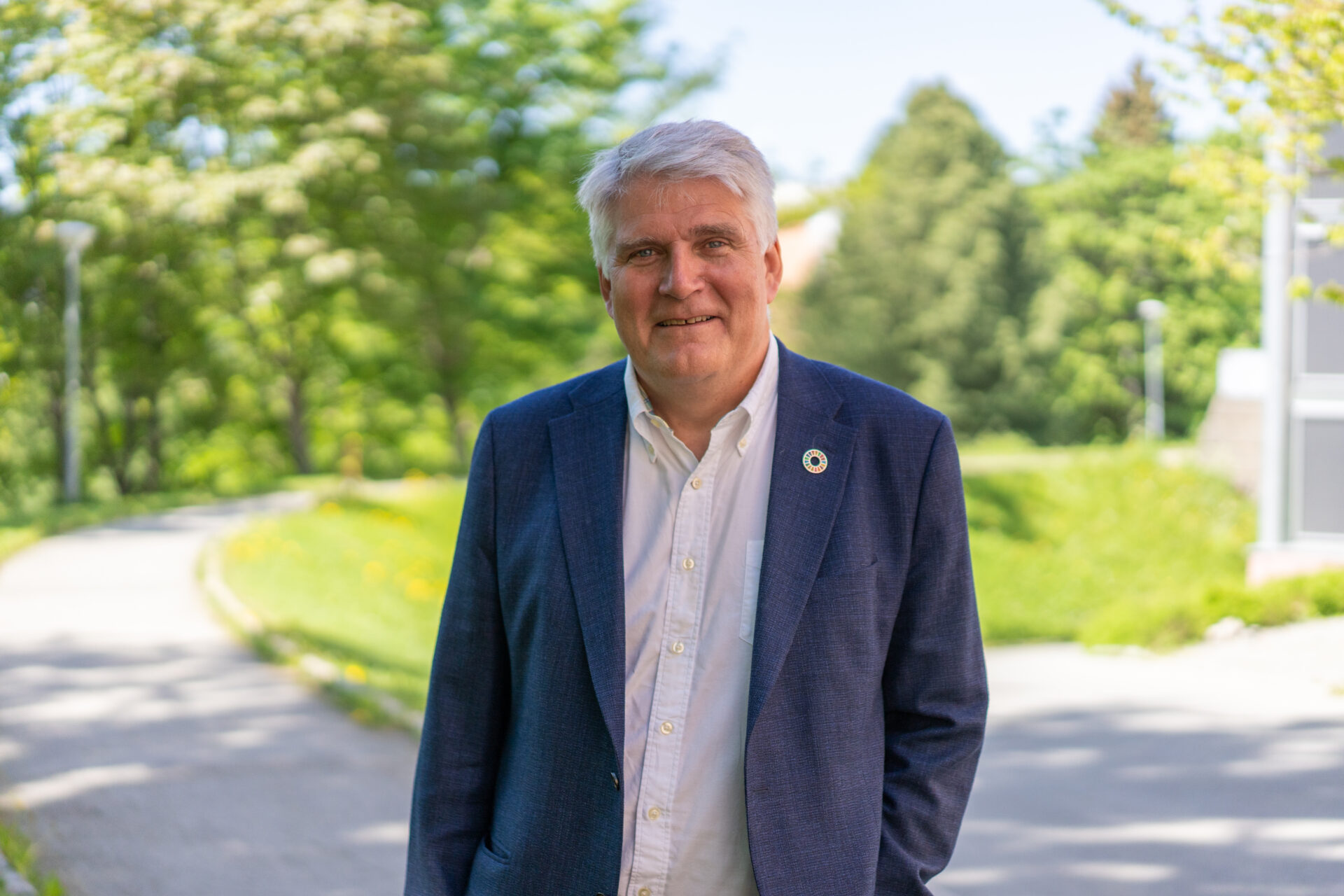
This year’s conference will consist of five parallel sessions. With 10 keynote lectures, the total number of presentations is 125. In other words, ample opportunities to catch up with the latest developments in the field of CCS.
- More information on the conference web.
Note also that the deadline for nominating candidates to the SINTEF and NTNU CCS Award is extended to May 5. More information about the award here.
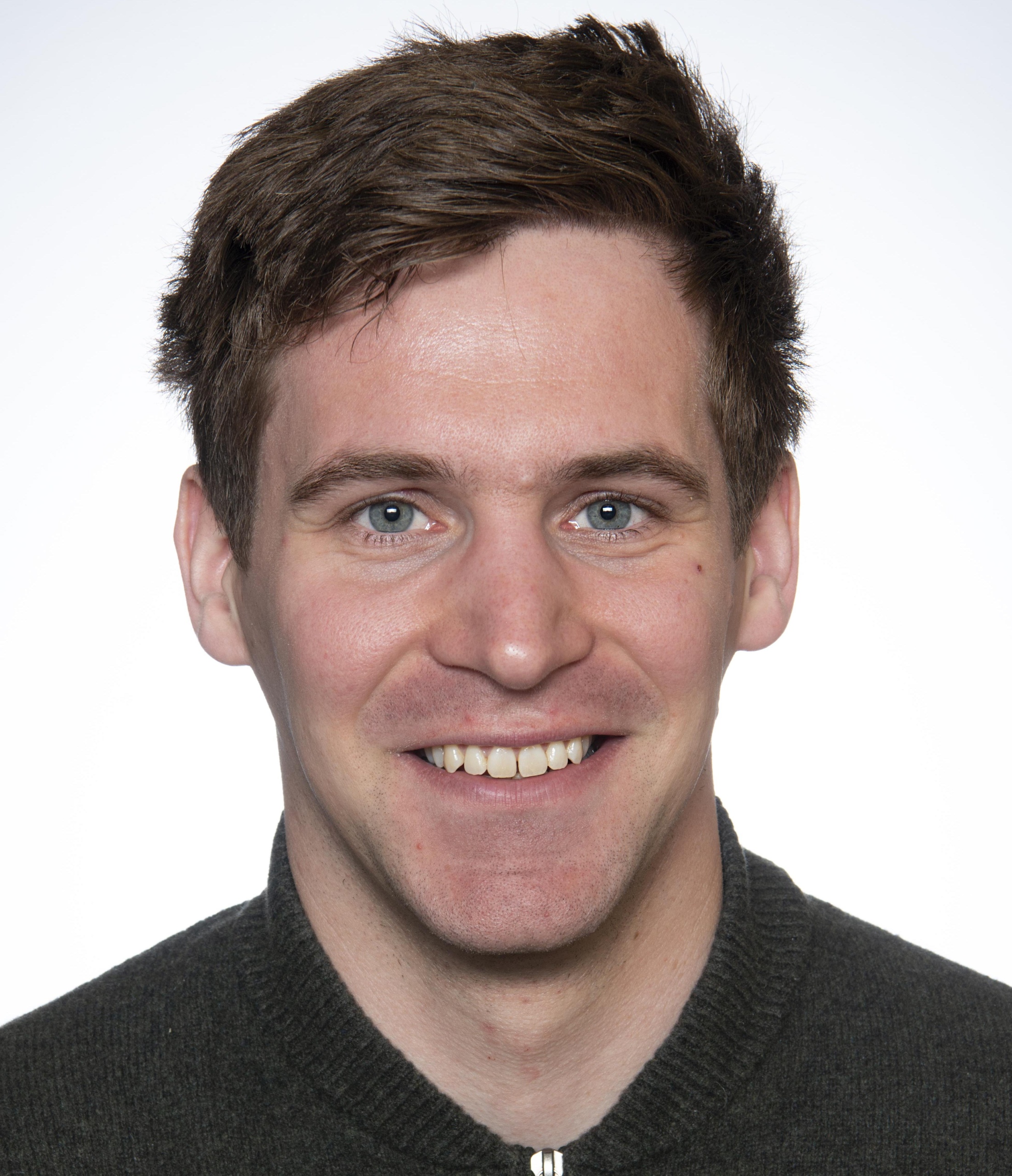
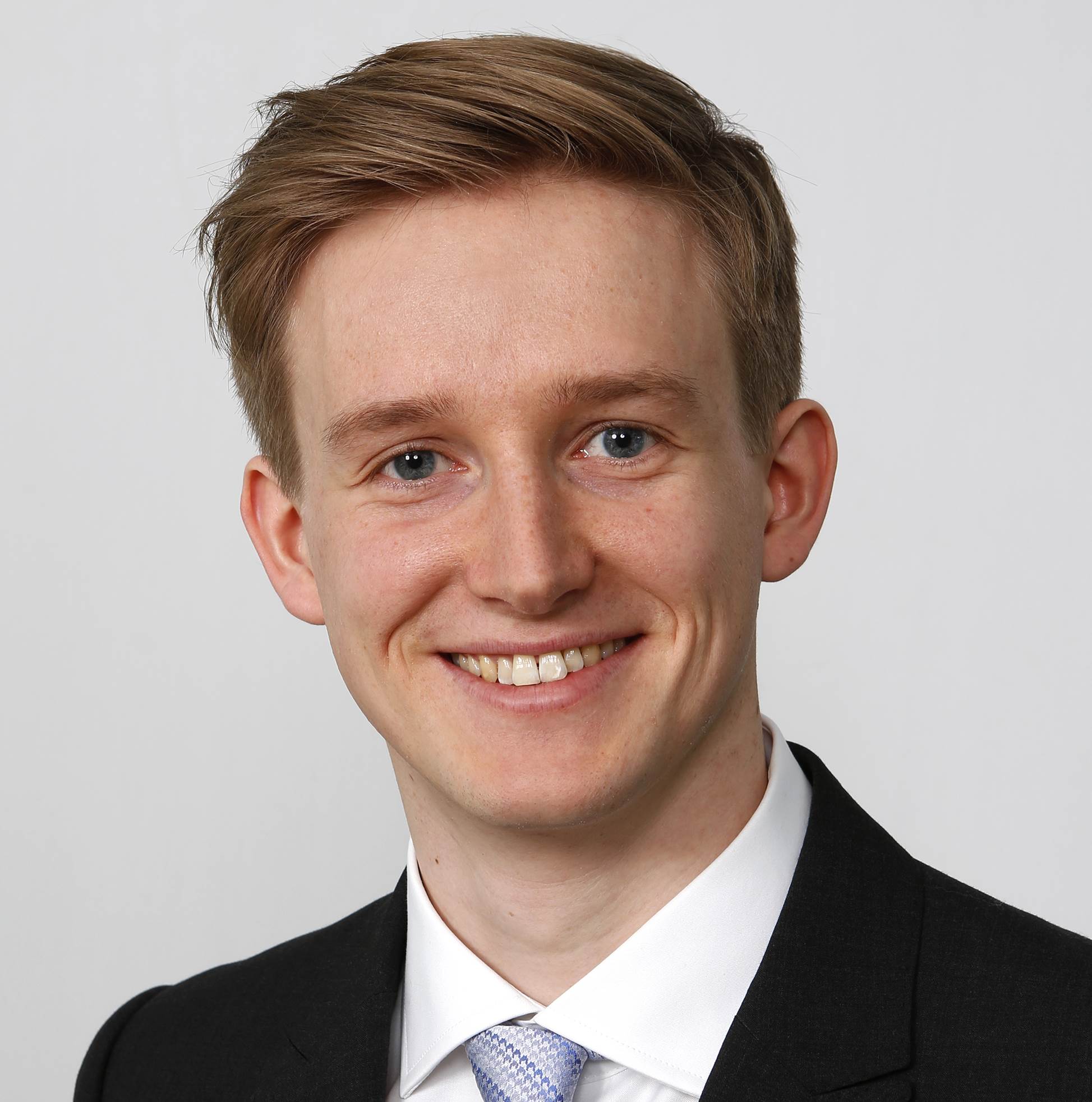
Dan Sadler, Special Advisor, Northern Gas Networks, UK
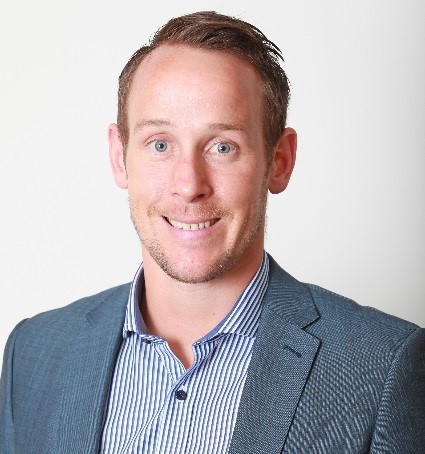
A chartered Engineer with 17 years industry experience. Dan started on British Gas’s graduate training program progressing to project manager for high pressure gas pipelines and pressure reduction stations. In 2008, he joined Rhead Group, a professional services consultancy, in the role as Divisional Director for Energy (UK). Dan joined Northern Gas Networks in 2012 as ‘Head of Investment Planning and Major Projects’ following supporting the network in their RIIO-GD1 submission.
Dan has carried out a number of highly strategic roles within Northern Gas Networks, latterly as Head of Energy Futures. Dan was seconded to DECC/ BEIS for 2016 and was based within Science and Innovation team, advising across DECC/BEIS policy teams on all gas industry related topics.
Dan’s responsibilities in NGN include identifying scenarios, which could support and influence the direction of Northern Gas Networks, the wider gas industry and ultimately UK government energy policy. His role was to consider and evaluate the dynamics of the energy mix (specifically hydrogen) as we transition to a low carbon economy meeting the challenge of the energy trilemma. Dan was the originator and Project Manager of the high profile H21 Leeds City gate project.
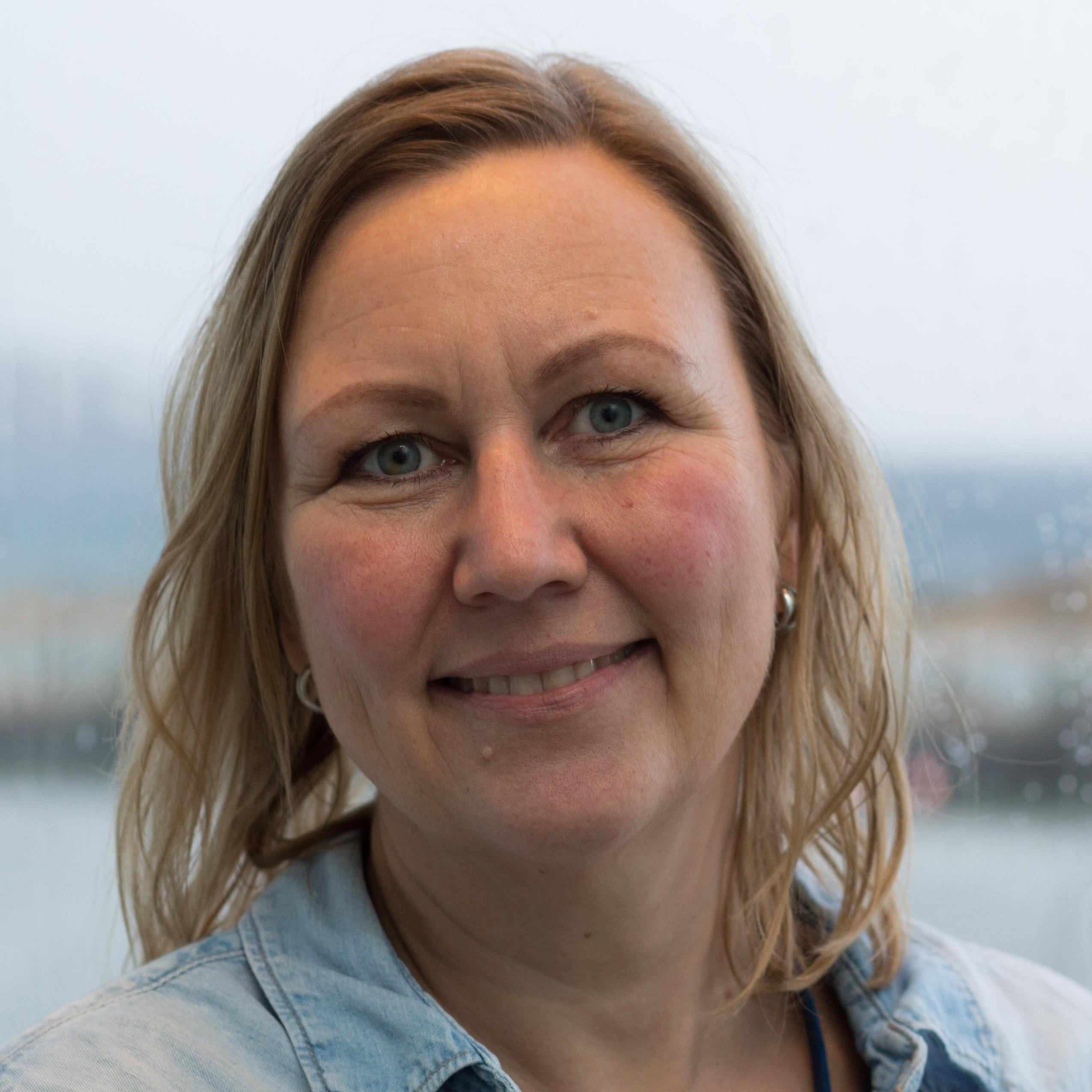
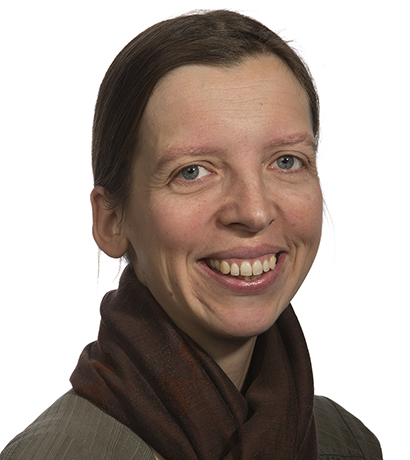
Trude Sundset, CEO, Gassnova SF, Norway
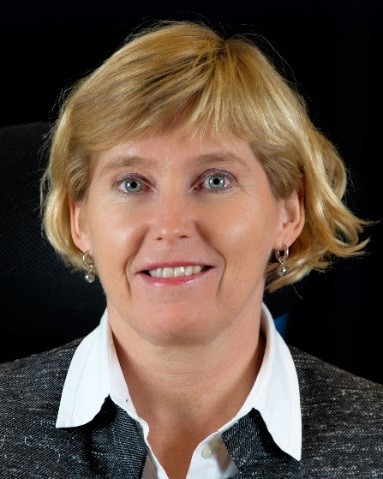
Trude Sundset is CEO of Gassnova SF. She has 30 years business experience, and with key areas within energy, environment and climate issues. Her several years of management experience includes both management on corporate level, line management for large groups, R&D management as well as business development and oil/gas field development.
Trude has experience from Boards of organisations including commercial businesses, experience from international collaboration and has built a broad network in various international organisations. She holds a Master of Technology, Physical Chemistry, from Norwegian University of Science and Technology, NTNU, Trondheim.
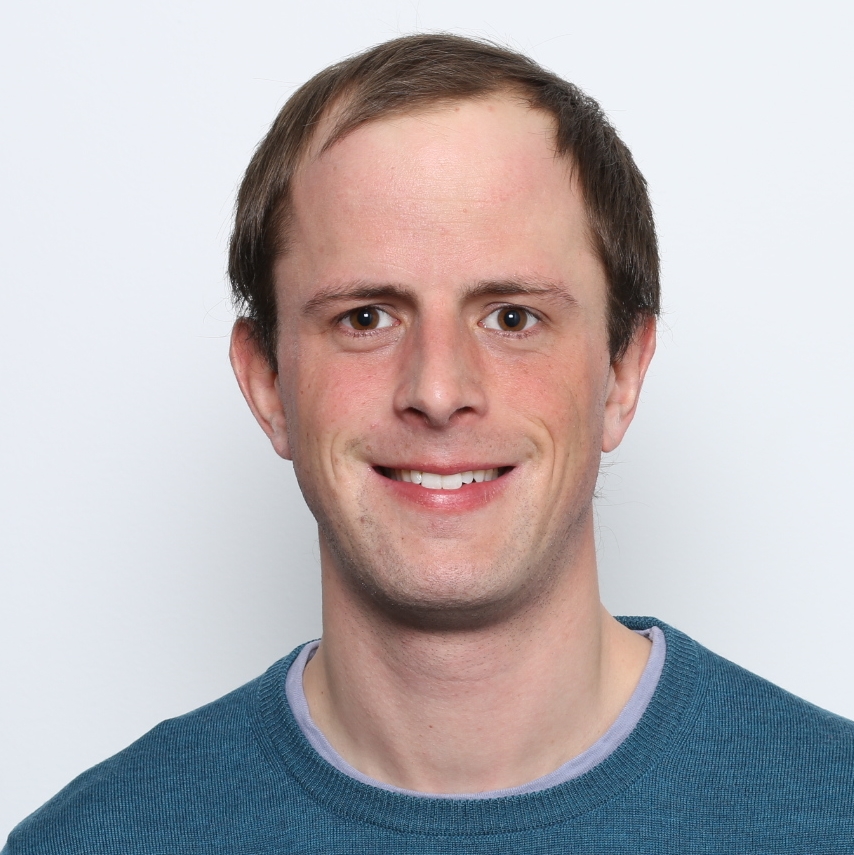
Marius Holm, Managing Director, Zero, Norway
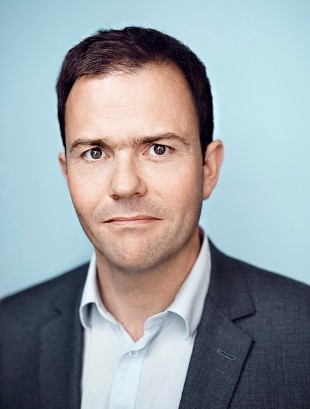
Marius Holm is the managing director of the Zero Emission Resource Organisation (ZERO), an independent, non-profit NGO, dedicated solely to identifying and promoting zero-emission solutions and their benefits. He has, throughout his career distinguished himself as a clear and knowledgeable spokesperson and climate activist.
Marius has a Master of Science in Financial Economics and Resource Management from the Norwegian University of Life Sciences.

Comments
No comments yet. Be the first to comment!