
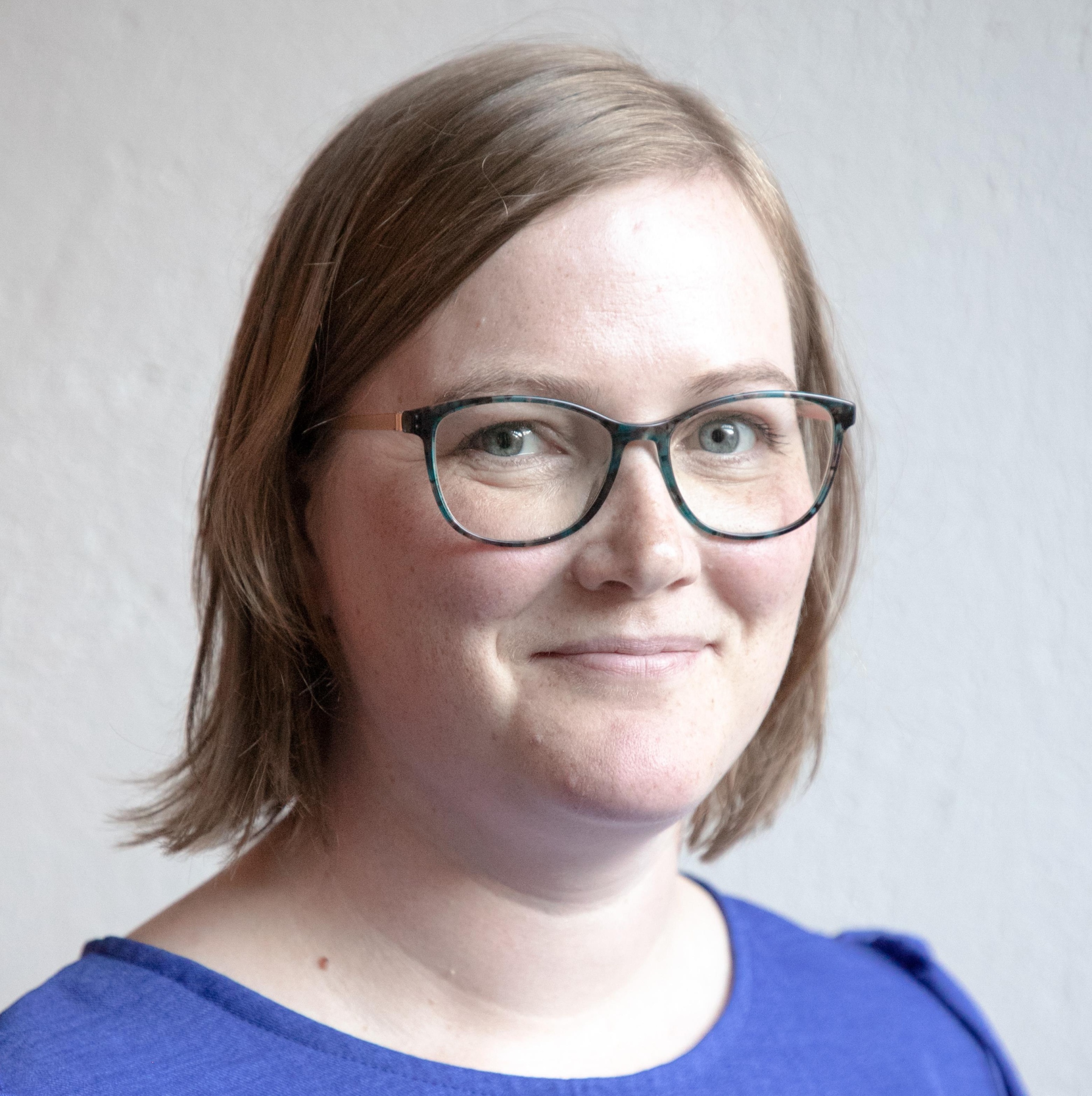
Centre director and SINTEF Chief Scientist Gerd Kjølle wants the Centre’s results to be put to use.
– We want to help the industry with its transition to the power grid of the future. For this we need a strategy: a transition strategy that tells us how we can turn scientific results into the goal of a sustainable power grid for the future.
Flexibility, digitalisation, security of supply, innovation, expertise, and societal aspects are all keywords of this transition strategy, which is slated to be completed in 2024, together with the knowledge base gathering the results.
– What gaps there are in the research should also be included in this strategy, says Gerd Kjølle. The Centres for Environment-friendly Energy Research (FME) give us eight years to do research, pilot projects and development. We developed a lot of expertise and innovation during the first six years of the project, but we will also be left with gaps in expertise and innovation. There are many things we need to know to ensure the security of supply during the transition to the grid of the future.
CINELDI is therefore planning to apply for a new research centre that can continue the work after it concludes its activities.
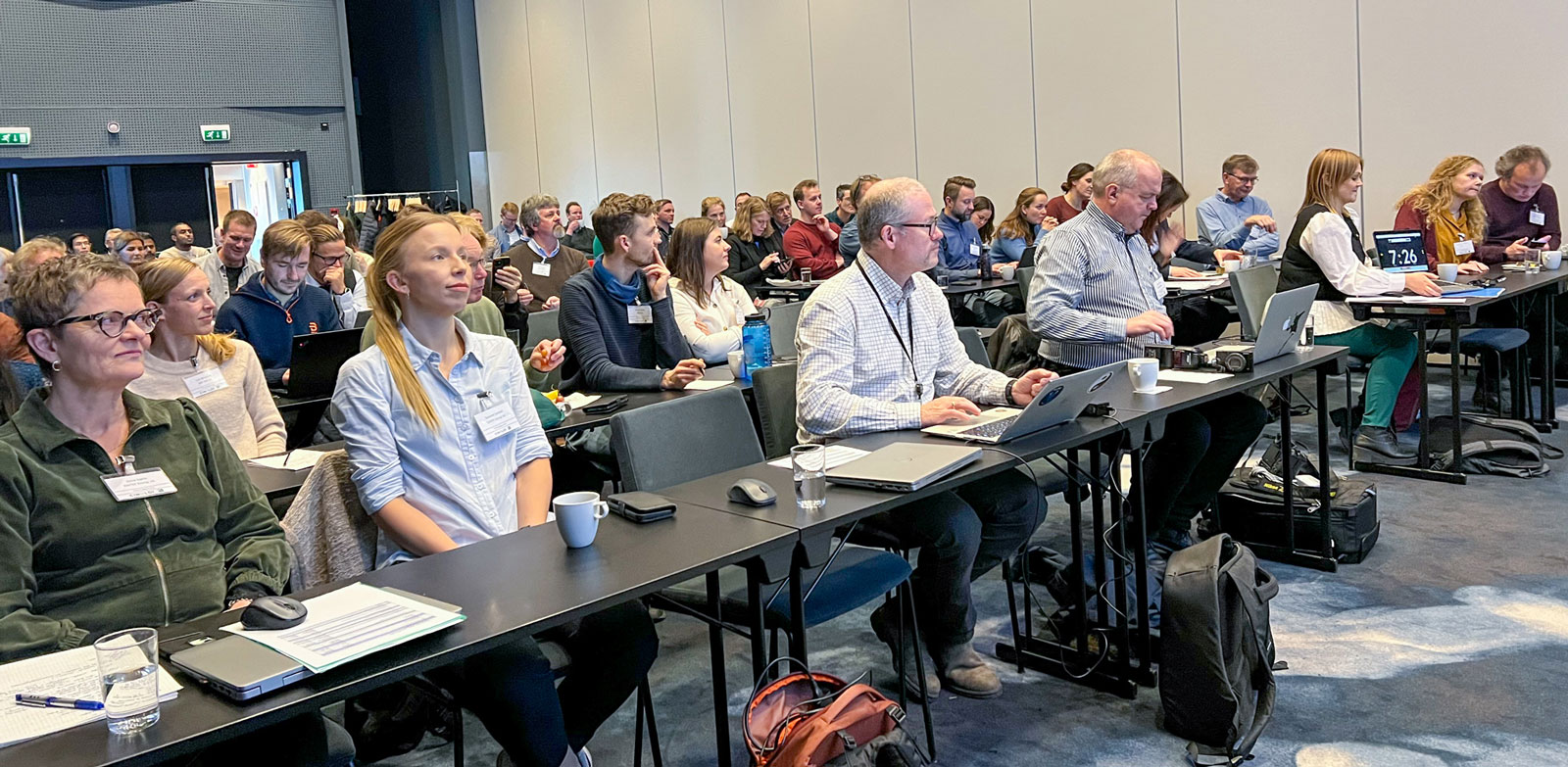
The objective of the CINELDI days is to present a selection of projects and results from CINELDI, and to gather input from others in the power grid business. The CINELDI days are also a forum to discuss the possibilities and challenges linked to the power grid of the future.
Many steppingstones
On the road to a fully digitalised power grid, there are many stops, each with their own level of modernisation. Henning Takst, SINTEF Research Manager, gave an overview of these levels, from the lowest one with manual control, such as what we have now, to full digitalisation.
– Some grid companies have started to level up, he says. It’s a step-by-step process, and it’s important for grid companies to have these models in mind when they are planning their transition. It makes it simpler to choose the right path.
Grid company Agder Energi Nett has made progress levelling up. Through the NorFlex Kristiansand pilot project, it has introduced action plans to deal with situations requiring flexibility measures.
– This way, the operator at the control centre knows what they should do in these situations, so that switchovers, disconnections, and other measures are performed in the correct order. Action plans provide a golden opportunity for standardisation, says Arle Ripegutu, department manager for process control at Agder Energi Nett.
He is fully aware that a grid routinely operating under more strain will require new tools to enable grid companies to deal with the power system’s bottlenecks.
Digitalisation and cooperation
The power system industry needs a digital boost, and the process is underway, with initiatives such as cooperation forum Digin, established in 2019.
– But digitalisation is not happening as fast as we would like it to, says Kjell Rune Verlo, senior consultant at the Norwegian Energy Regulatory Authority (RME).
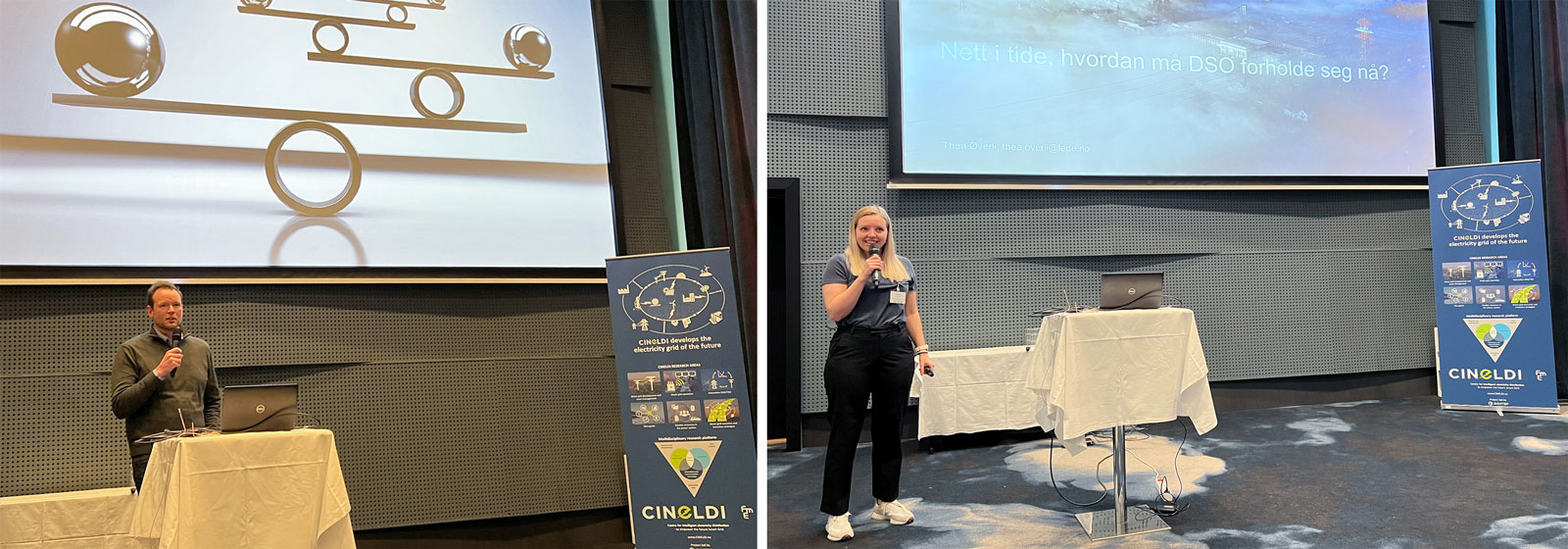
Verlo talked about RME’s digitalisation initiative at the CINELDI days. He hopes for more standards for the industry.
– Today, we have no standards for storing and exchanging information between grid companies, he says. We need this common pool of information – and an easy way to access it – if we are going to achieve our goals. We are hopeful that the industry will find solutions together and understand how important this is.
Thea Øverli, senior engineer at Lede, agrees that grid companies will get nowhere without digitalisation and cooperation across companies.
– Consumers applying for more grid capacity are faced with different application processes, requirements, and systems, when dealing with the various grid companies throughout the country, she says. In addition to more digitalisation and cooperation, we need the industry to become more willing to take risks. With more grid comes more risk in operating the grid.
She notes that industry actors talk together a lot more than they used to.
Jun Elin Wiik, director of the Smartgrid Centre, also highlights cooperation as a key to solving the challenges of an increasingly complex power grid.
– More complexity means a greater need for new knowledge, she says. We need to work together to boost research, information and knowledge sharing to enable a flexible, intelligent, robust and cost-effective grid.



Comments
No comments yet. Be the first to comment!