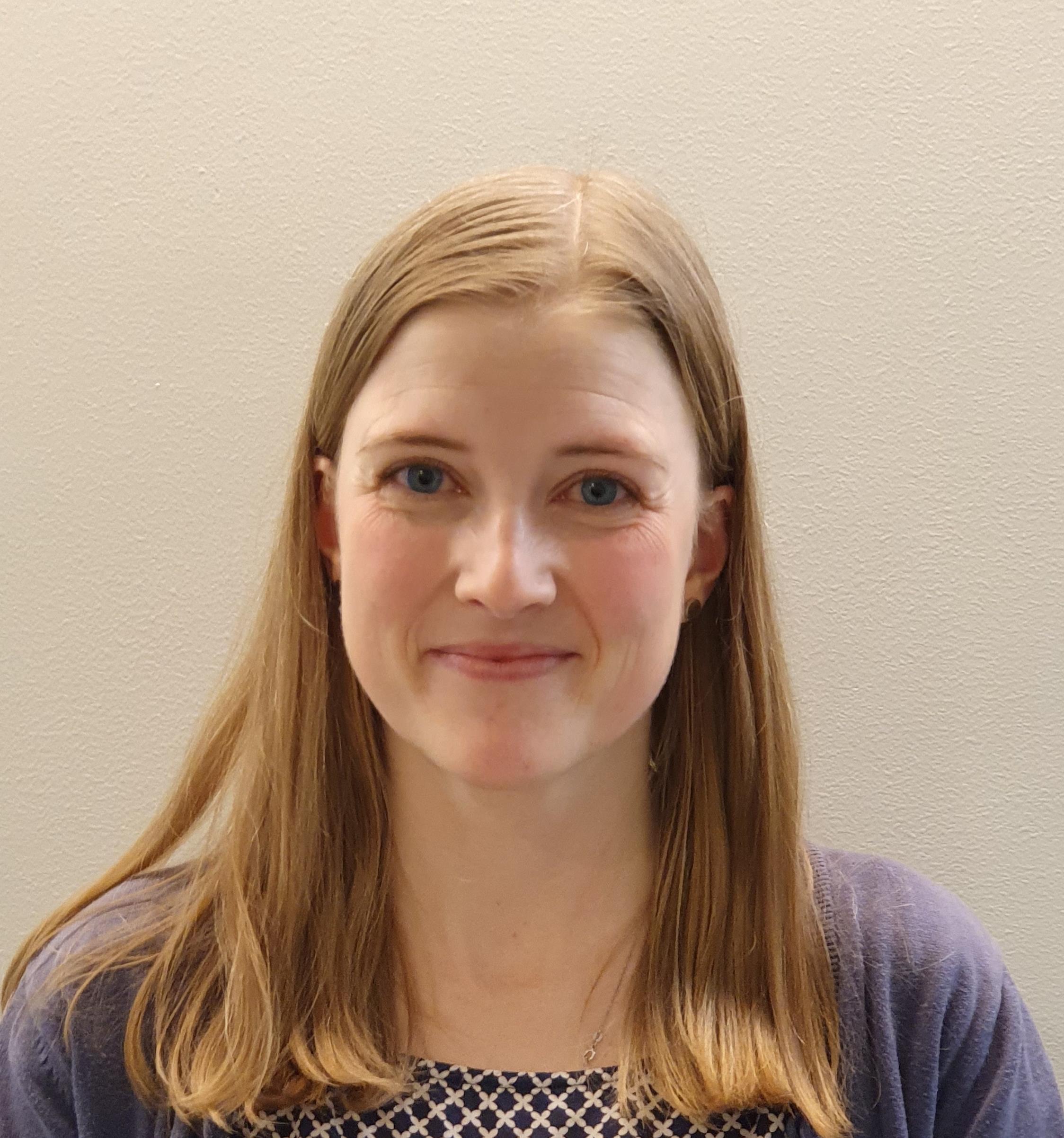
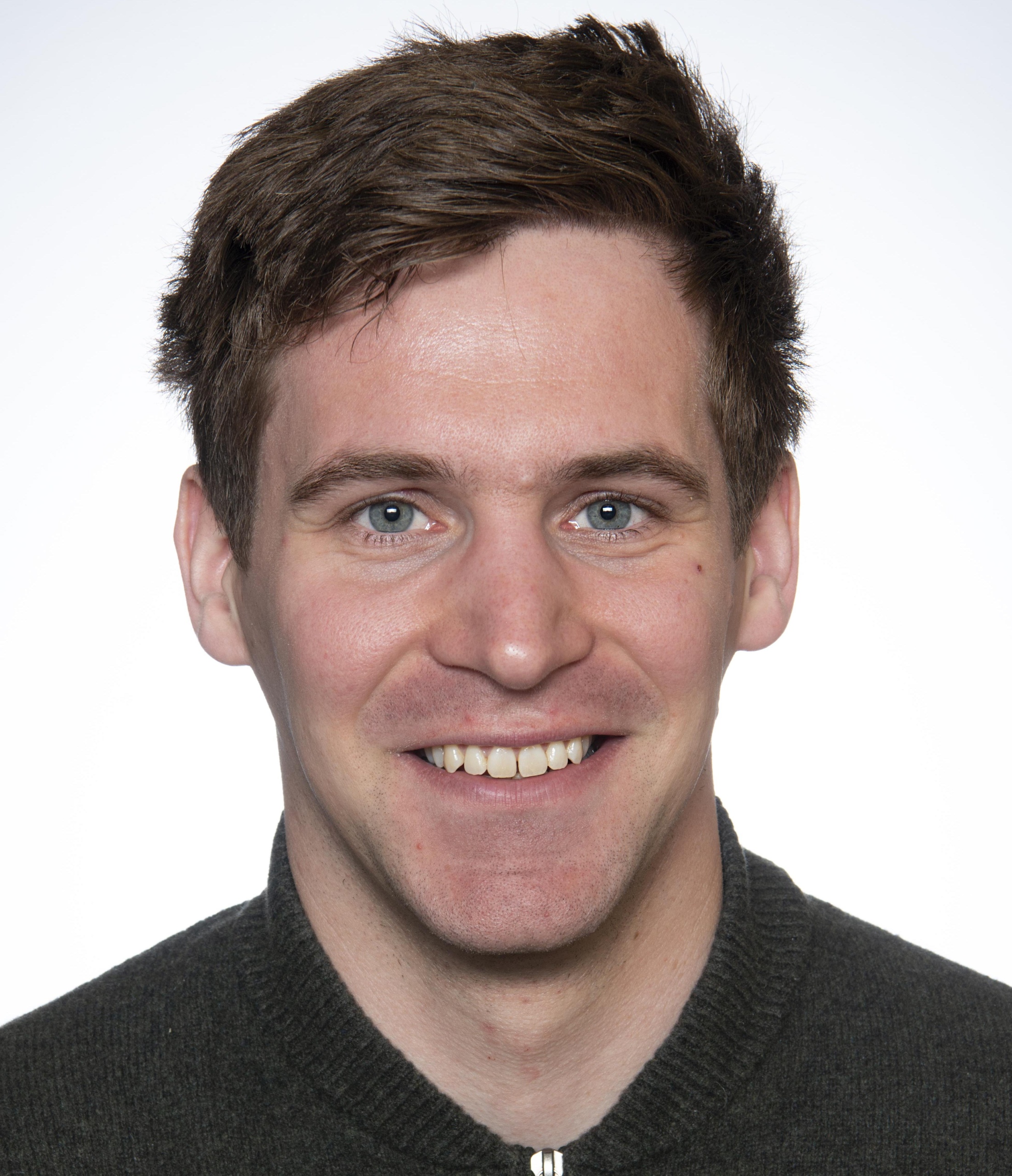
She worked in the Solvent technology – environmental issues task (Task 2), where she wrote her thesis on the stability of amines for CO2 capture under the supervision of Hanna Knuutila at the Norwegian University of Science and Technology (NTNU).
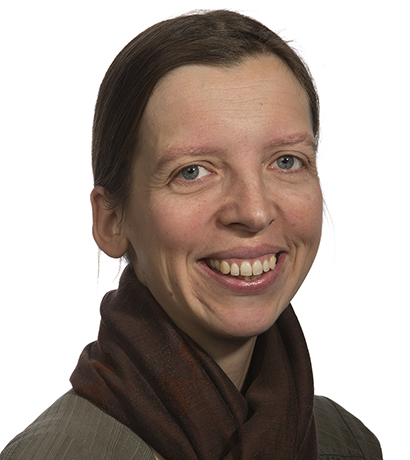
Two years after she completed her PhD, and now working for SINTEF Industry, Vanja has returned to Task 2 – this time as its lead.
We got the chance to speak to Vanja about her work with CO2 capture, her love of chemistry, and her journey from PhD student to task leader.
If a sixth grader asked you about your research, how would you explain it to them?
We rely on very many processes that produce carbon dioxide (CO2) emissions, like the way we make electricity and heat or produce cement and steel for building things. CO2 is bad for our climate if we emit too much of it because it creates the greenhouse effect. I’m working with a process that lets us control our CO2 emissions by capturing them with a special type of liquid, kind of like the bubbles in soda, which are actually CO2. The liquid I work with can hold a lot more CO2 than soda though!
My job is to find out how we can make that liquid last for a very long time so that we can use it to capture lots of CO2. I do that by finding out what happens when the liquid gets “worn out”, and looking for ways to make sure that doesn’t happen. This is often done in the lab, where I do experiments with liquid: heating it up and exposing it to different things it might encounter in the CO2 capture process, such as metals, air and gases. The better the liquids get, the more CO2 capture we can do for less money!
What drew you to chemistry as a subject?
I’ve always loved the logic of chemistry, and I feel like everything can be explained by chemistry! Initially, it as the biochemical and natural processes that drew me in, but I eventually got captivated by the whole field, and ended up doing my BSc in toxicology and then my MSc in organic chemistry. I also had a great chemistry teacher in my last year of high school who opened my eyes to how much you can do and understand with chemistry knowledge.
How was the journey from PhD student in NCCS to Task 2 lead?
Doing my PhD in NCCS really opened my eyes to the whole CCS value chain from the very start, which I am very thankful for. It made it easier for me to appreciate the importance of, not just the work of Task 2 but also the other 11 tasks. I’m really excited to jump back into the interesting task family discussions and continue the collaborations I was a part of before, and once again work alongside my very clever colleagues in NTNU, TNO and SINTEF.
I also feel very lucky that one of my first task leader roles in SINTEF is in NCCS, as I’ve been a part of it since 2017 (except for the last 1.5 years when I had a postdoc position in a different project), and know quite a bit about how things work here already.
What is one big challenge with CCS that you’re working to solve?
In addition to working to improve solvent stability, and understand and prevent degradation, which we focus on in Task 2, I think our biggest challenge is spreading the knowledge we have. I therefore think that dissemination, both scientific and popular, is immensely important to do along with our research. Spreading the knowledge and sharing information is vital for large-scale implementation.
What are you looking forward to as Task 2 lead?
I’m very much looking forward to the work planned for this year, and getting to do a deep dive into amine solvent and degradation chemistry. I’m also really looking forward to the interesting discussions we’re having along the way with scientific and industry partners in the Task, and seeing what comes out of the other organisations’ work.
It’s also going to be exciting to follow NCCS to the finish line, after having been a part of the FME for so long.

Comments
No comments yet. Be the first to comment!