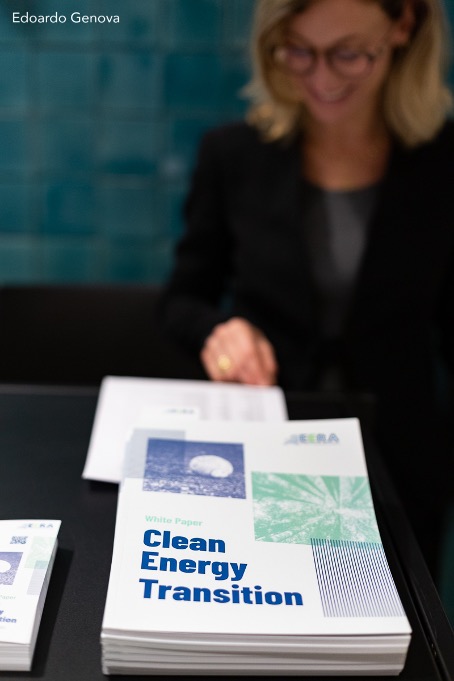
Build back better. That’s been the attitude around the world during the pandemic. But the economic upturn has not entirely grasped the opportunity to build back better and to invest in green solutions into the recovery. We need to see more cooperation, work more holistically, and generate synergies in the development and deployment of new energy solutions. That is the main message in the European Energy Research Alliance’s (EERA) new white paper “Clean energy transition”.
About the author
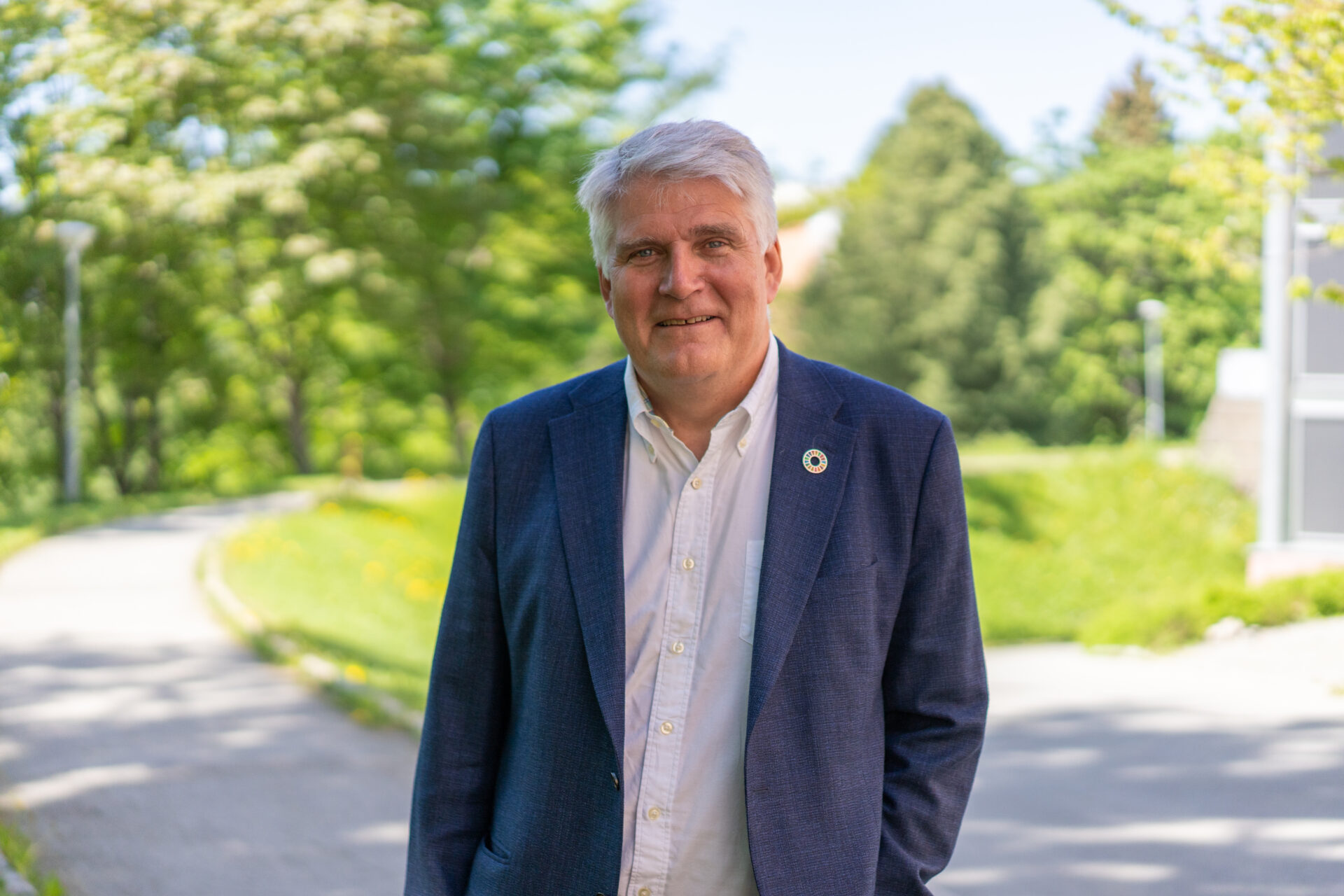
Nils A. Røkke is the Executive Vice President of Sustainability at SINTEF, and the Chairman of The European Energy Research Alliance (EERA).
Despite dystopian climate projections in recent climate reports, we cannot feel defeated by the numbers and evidence of progress which is contrary to what we would like to see. Through EERA, Europe must continue to pursue and strengthen its commitment to catalyse energy research towards a climate neutral society by 2050.
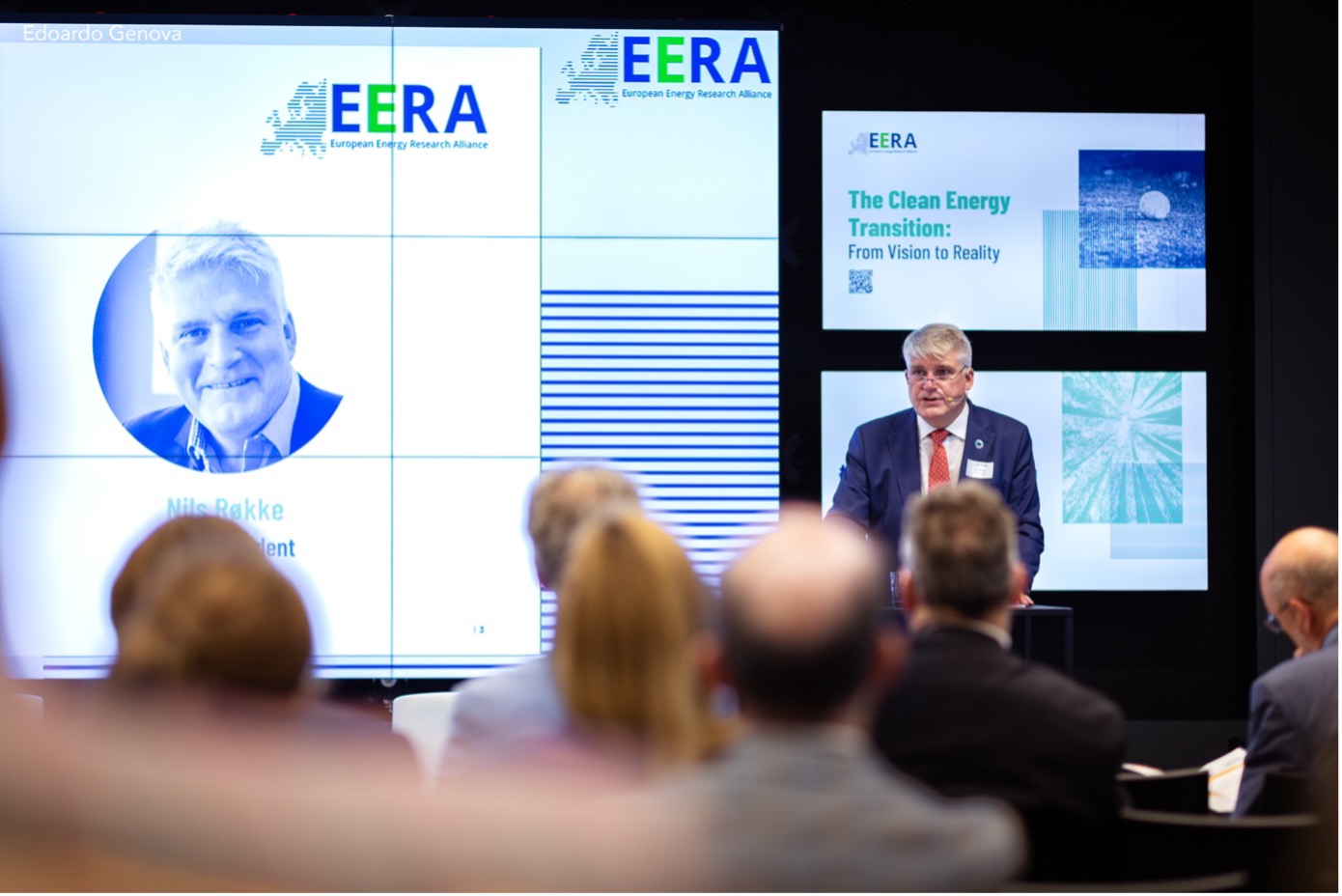
On October 20th I opened the yearly EERA conference in Brussels, which gathers high level European policy makers as well as industry and R&I representatives. Above you have read a short summary of my opening speech, and below you can read the speech in full.
Clean energy transition – From vision to reality
Dear distinguished speakers, panellists, and audience, it is a true pleasure, in the capacity of being President of the European Energy Research Alliance to open this very important conference. One we have missed for over more than two years now, by obvious reasons, hampering these kinds of important dialogues to take place, in the heart of Europe – Brussels
Yesterday, EERA had its 42nd ExCo meeting, albeit being 1/3 digital I could feel the enthusiasm bubbling through, meeting each other, discussions taking place, digressions also but that is part of the complex process of smithing new ideas. And that is very much needed, the climate and biodiversity crisis have not been in lockdown.
Covid’s dent in the emission trajectory
Contrary to popular belief the COVID19 crisis only made a small dent in the emission trajectories and the economic upturn has not entirely grasped the opportunity to build back better and to invest in green solutions into the recovery. In essence we need similar but lasting effects as the Covid dent in the emission trajectory every year to 2030.
The energy crisis which is upon us causes social unrest and finger pointing to scapegoats. The energy transition and renewables are prime targets. But imagine an energy system with baseload provided by renewables and other low, zero or net removal solutions with a robust backbone of interconnectors and flexibility. That is a truly robust system where the price volatility of fossil fuels will have much less impact than what we see today, it would pass unnoticed. So, we need to build back better and keep the 1.5 degree alive, a slogan for the COP26 which will kick off November.
The Clean Energy Transition White Paper
And what better time is there than for EERA, representing 250 research and technology organisations and universities within energy research to launch its white paper “Clean Energy Transition”. It falls into the category of reports released in the preparations to the Glasgow conference. Being a European Research Alliance, our imperative is the European ecosystem and narrative. But the overall narrative works for the planet as such. Key message is synergies and working together from a holistic point of view. It falls within the thinking of Missions and Partnerships as pioneered by the Commission. And it provides a blueprint for how to tackle the issue at hand in an integrated manner. We will hear more about that later on today from our Secretary General, but I am really proud that we release this report today.
The European Energy Research Alliance 2.0
So, what does EERA 2.0 mean? It is the title of my intervention. Well, take the report I just alluded to, that is part of EERA 2.0. An alliance that wants to mobilise and engage towards the grand challenges of our time, drawing upon tens of thousands of energy researchers in Europe. Yes, it is true, that is how large our following is, and we are in for busy times.
Browsing though the latest landmark reports, like:
- the IPCC- the WG1 and the UNFCCC report on Nationally Determined Contributions and stated policies
- the IEA – notably the NZE2050 and the World Energy Ooutlook 2021
- the IPBES – the UN nature panel and the joint WS report between the IPCC and IPBES
it is clear a concerted effort is indeed needed.
We cannot feel defeated by these numbers and evidence of progress which is contrary to what we would like to see. We can only pursue our mission to catalyse energy research towards a climate society by 2050. Not only pursue but strengthen our commitment to this.
As of now EERA is strengthening its impact by pursing three strategic strands. And they are all built upon our joint programmes, 18 in number which in essence cover all aspects of the energy transition. From advanced materials to specific technologies like PV’s, fuel cells and hydrogen and, social aspects, digitalisation in energy and more. Green and digital are the buzzwords.
We will strengthen our impact to be a trusted advisor and provide thought leadership integrating the vast knowledge in our alliance. We will establish a think tank type of activity with focal points (persons) which oversee the integrated complexity of the energy system including the dimensions of nature conservation and land use, economic and social issues. This is now being progressed as we speak.
Furthermore, EERA has the strength to mobilise MS/AC investments in energy R&I concurrent with the EU vehicles for promoting energy R&I. I think I have not mentioned the European Green Deal yet but when looking at the H2020 EGD call we see clearly how our partnership is contributing to these efforts. The bulk of the projects granted utilises members in our Alliance.
But what is the next step in building a greater impact towards the very welcome and stated targets of climate neutrality and the fit for 55? Mobilising MS/AC efforts by catalysing action for building what we call European Centres of Excellence in Energy Research. We are taking steps to prepare our JPs for this challenge, we have been spending significant efforts in characterising such centres and how we can blend national investment in such clusters or centre arrangements with European investments towards a true European Approach. What a value proposition this is for Europe! We are ready to step up to the challenge in an inclusive way and process, fully transparent and in open competition, and would this not be a perfect match for the upcoming Clean energy Transition Partnership? The idea is served!
Co-operation is essential to reaching our goals
Last but not least we see that international co-operation at a different scale than present is needed. The IEA NZE2050 estimates that at the present level of co-operation we will only reach net zero around the turn of the century and not by mid-century. Co-operation is this context means a lot of course: Climate financing, damage and loss mechanisms, Art.6 arrangements of the Paris agreement but also knowledge exchange and social innovation in the technological narrative. We are pondering around this, how can we as EERA extend into co-operation outside Europe?
Within Europe we are a vehicle in ourselves. Could the EERA clone itself in developing regions, neighbouring regions to Europe? What about Mission Innovation 2.0? Surely, we cannot help ourselves from contributing there through our members and MS/AC action, but can we support this even more. Could we engage in providing though leadership through our think tank activities, could we engage more in the shaping of programmes to underpin those missions. That was one of the topics discussed yesterday where we also received valuable insight into Mission Innovation by one of our distinguished speakers today, director for “Clean Planet” in DG R&I Rosalinde van der Vlies.
So, I need to come to a stop. EERA is delivering on the energy transition and will continue to do so- relentlessly. We can even accelerate; we are preparing ourselves for that. We are not down beaten by the numbers and scenarios unfolding, knowing that without us there would be no chance of reaching the well-founded targets on energy and climate. One famous statesman once said – If you are going through hell, keep walking. That is the attitude we need, and we pursue this in our shaping of EERA, keeping the 1.5 degree alive.
Thank you very much.



Comments
No comments yet. Be the first to comment!