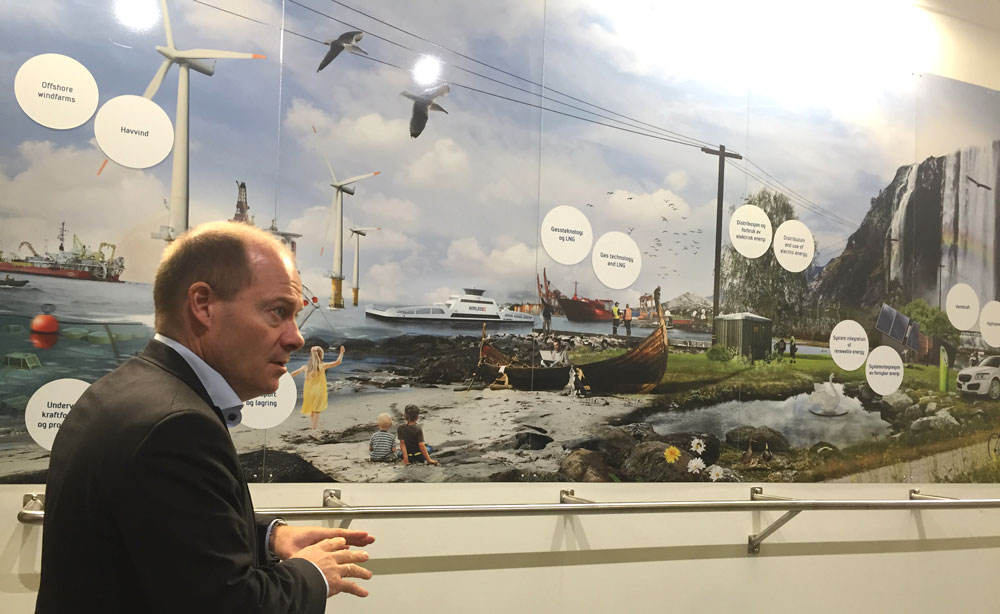

The meeting took place at the SINTEF Energy Lab at Blaklia on Wednesday 28th September. Among the topics was how to leverage national research priorities through pan European cooperation.
– We could have been discussing for hours, this is interesting, said the EU’s Ambassador to Norway, Helen Campbell.
The meeting started with the big picture
President Inge Gran at SINEF Energy Research gave a presentation of SINTEFs many research activities within the energy field, a presentation, which among many is known as the “energy kingdom”.
High Voltage Laboratory
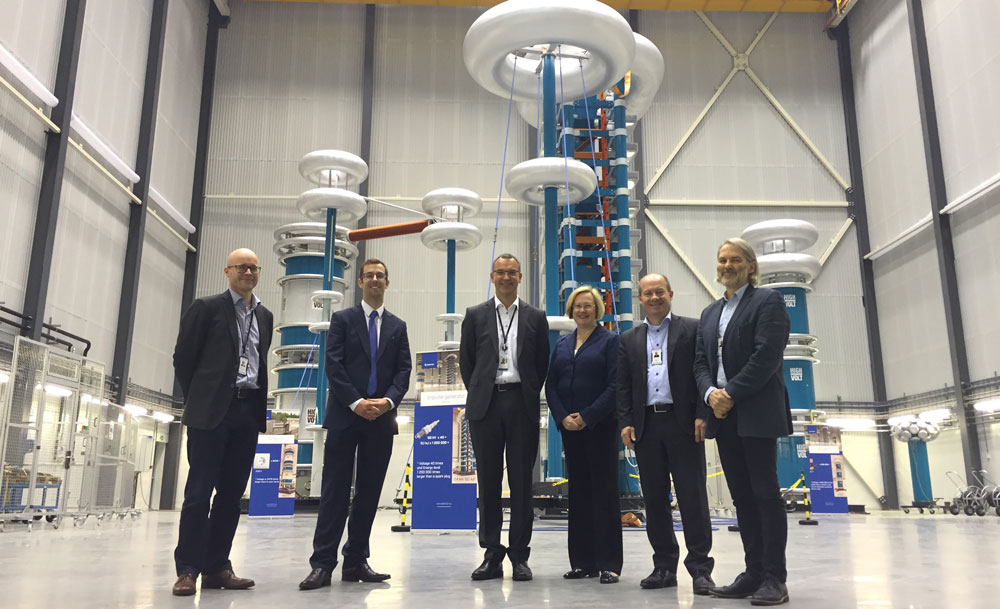
Research Director Dag Eirik Nordgård at Department Electric Power Technology gave the guests a tour in the high voltage laboratory which opened in September 2015. The lab makes it possible develop new technology to the future power grid. Nordgård talked about electrical transmission power technology that will make European countries able to adjust their energy needs in accordance with the available renewable energy sources.
According to Nordgård, there is a need for more research focus on the primary network components.

A lunch meeting set the frame for more in debt discussions. Ambassador Campbell commented and provided very useful perspectives on European policies related to the R&D sector. An important message was the EU’s concern to make sure that all member states are included, also those who are in the process of building up their national R&D sector.
– This is something for leading research institutions and universities to take into account when they develop their H2020 partnerships, Campbell said.
ICT/digitalization has a value in itself
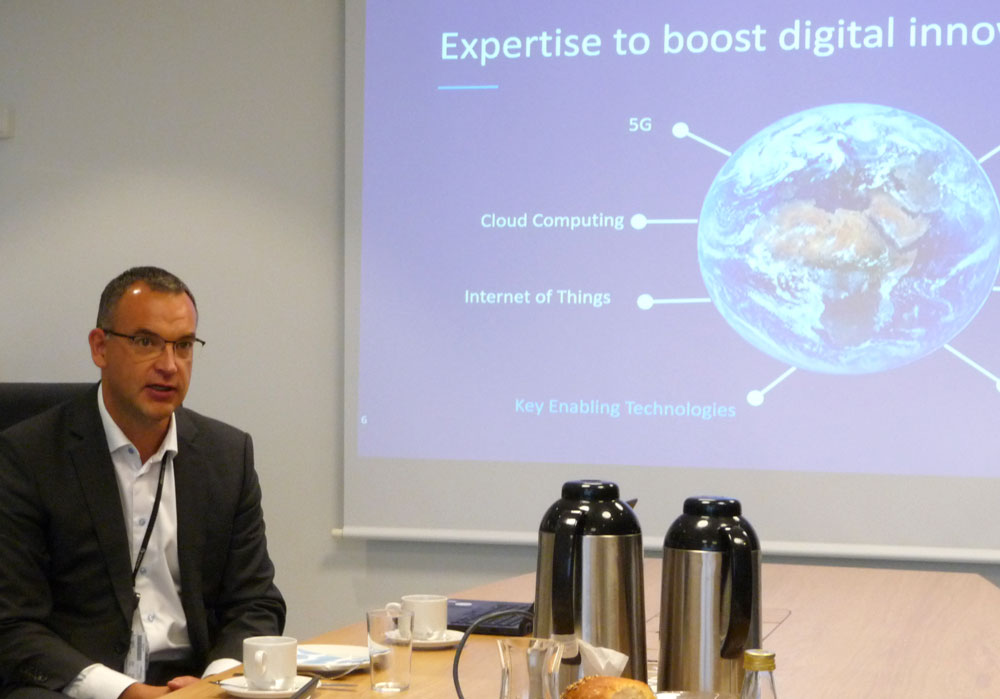
Executive Vice President Morten Dalsmo from SINTEF ICT provided insights on the EUs important role to place ICT/digitalization on the agenda. As a result of large EU funding opportunities and determined work to succeed in the application process, SINTEF ICT are involved in many EU projects.
– Research on ICT has a value in itself, not only as a part of an application or project.
Generic expertise is important to be disruptive, and to be able to cooperate with other sectors such as energy. The EU work programmes are well suited for our purposes. At the national level, there is however little funding opportunities for the ICT sector, Dalsmo said. He also noted that while having experienced great interest for project cooperation from European industry it has been somewhat more difficult to get Norwegian industry on board.
– I hope and believe that this is changing, Dalsmo said.
Align the national centres in Europe?
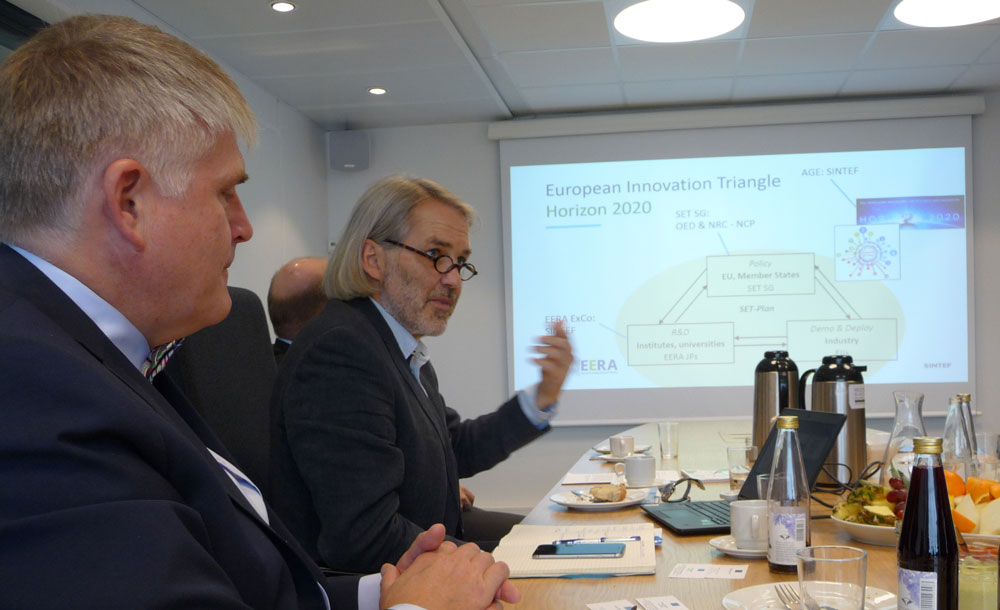
Research Director Petter Støa at SINTEF Energy Research is currently based at SINTEFs Brussels office. Støa talked about our contribution to make the European innovation systems better aligned and coordinated.
– I think there is a European potential to leverage the output from member states’ Centres of Excellence, Støa said, suggesting a European umbrella to align the national centres.
– How can we build European Centres of Excellences based on the national centres?
Støa suggested that an ECRIA (European Common Research and Innovation Agendas) for Centres of Excellence and Innovation could be worth evaluating.



Comments
No comments yet. Be the first to comment!