Skip to content

SINTEF Blog Gå til forsiden

  • Energy
  • Ocean
  • Digital
  • Health
  • Industry
  • Climate and environment
  • Building
  • Society
  • EN
  • NO
Energy

Received innovation Award for his work on bioenergy

Bioenergy Innovation Award winner 2015 is Vincent Eijsink, NMBU

author
SINTEF
Published: 18. Mar 2015 | Last edited: 22. Apr 2025
2 min. reading
Comments (0)

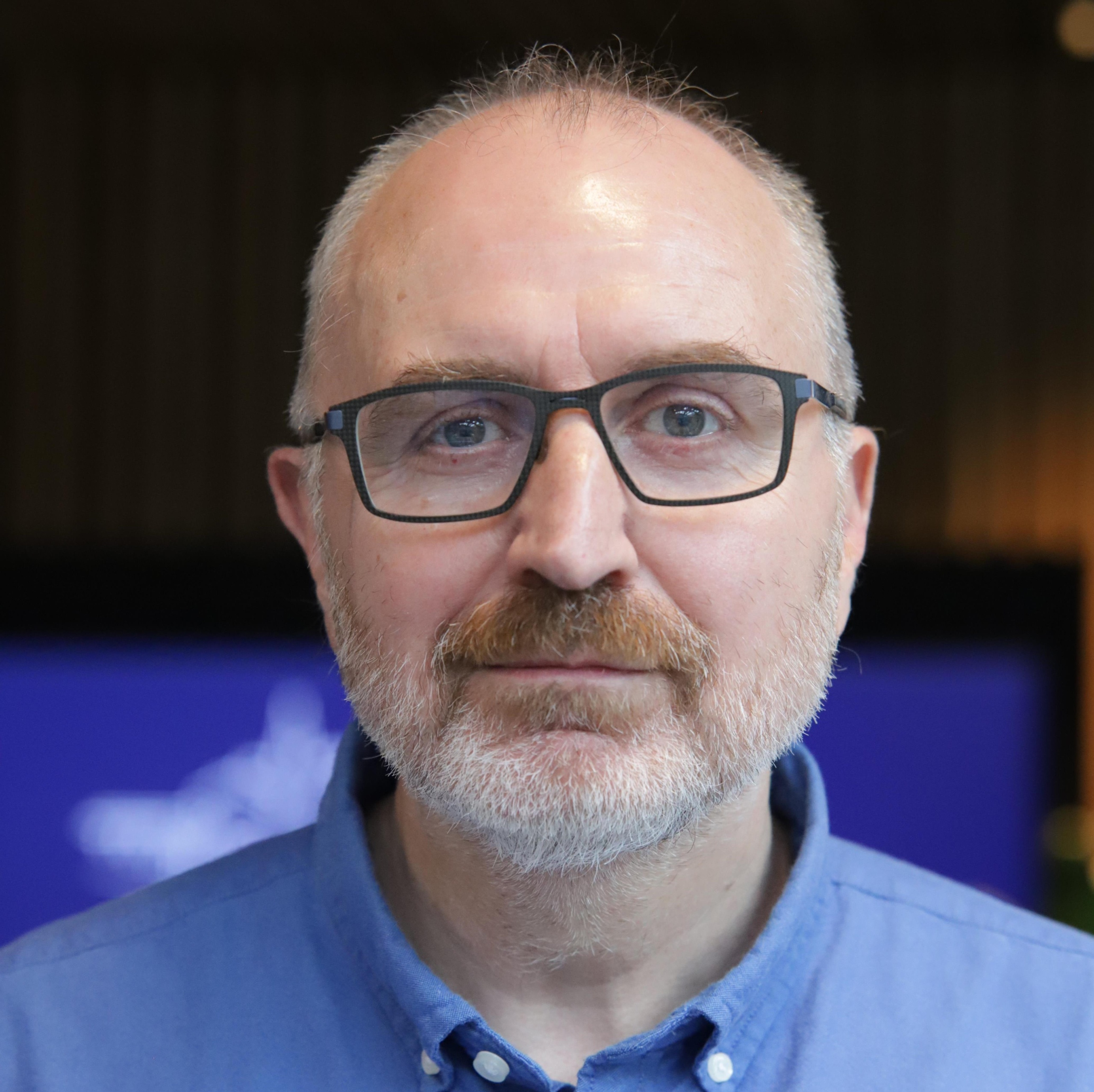
Professor Vincent Eijsink, NMBU (Norwegian University of Life Sciences), received this year’s Bioenergy Innovation Award under “CenBio day” 17 to 19 March 2015.
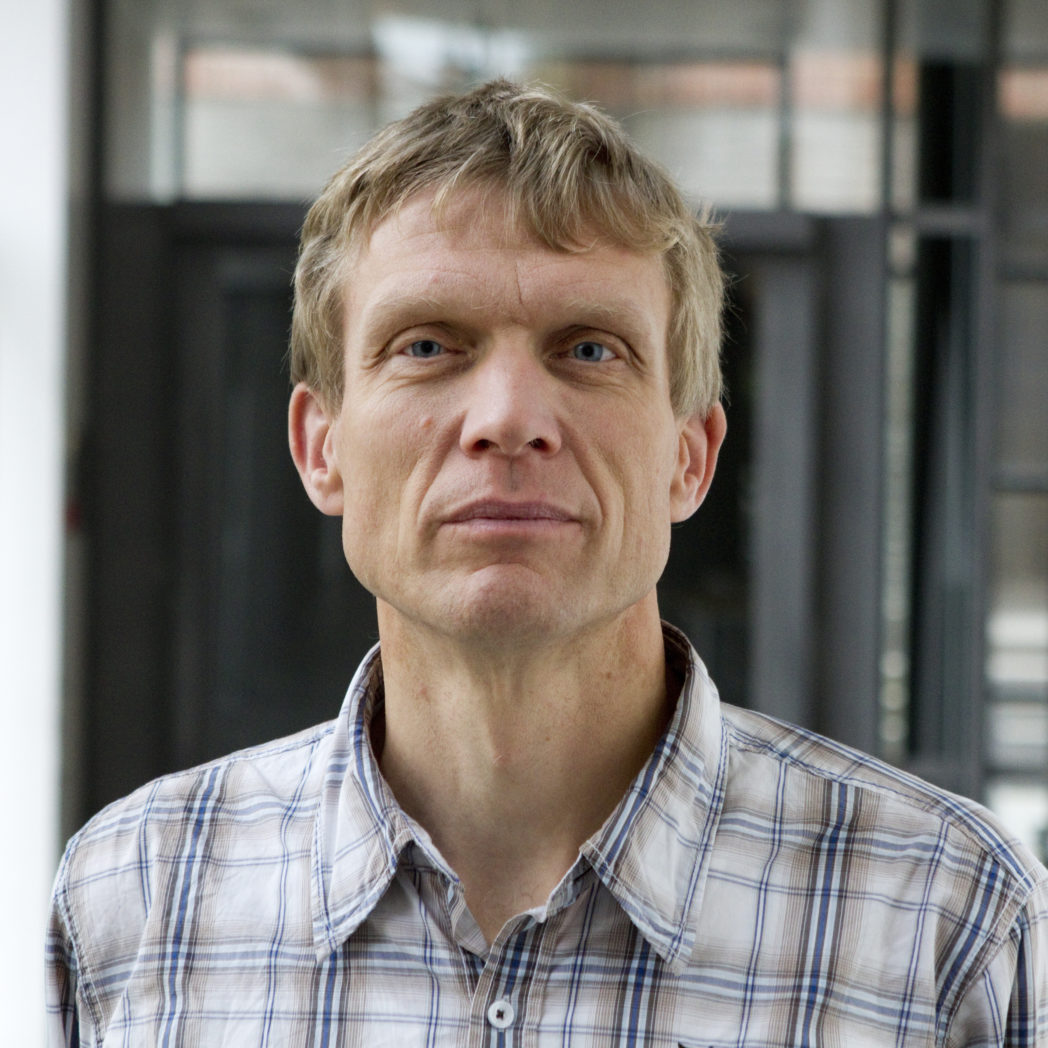
Professor Vincent Eijsink, NMBU - winner of the Bioenergy Innovation Award 2015.
Professor Vincent Eijsink, NMBU – winner of the Bioenergy Innovation Award 2015.

Eijsink receives the price for his effort which has been crucial for the development of bioenergy in Norway. His work has been important to the bioenergy field and has also contributed to the question of optimal biomass utilization.

He have through many years been instrumental in building a scientific research group with an international reputation within the field of enzyme technology and biogas processes.  The winner excels at linking fundamental scientific research and industrial interests; he has great credibility in the industry and contributes to the creation of long-term opportunities for his partners.

About the Bioenergy Innovation Award

Objective: The Bioenergy Innovation Award is a Norwegian innovation prize designed to stimulate and reward knowledge-based innovation and/or entrepreneurship in the field of stationary bioenergy. The award is intended to contribute towards the identification of projects with commercial potential.

About the award: The award was introduced in 2011 by the Centre for Environment-friendly Energy Research CenBio (Bioenergy Innovation Centre) and is awarded annually during the CenBio Days. Previos winners have been research scientist Edvard Karlsvik from SINTEF Energy Research, Cambi AS, Solør Bioenergi and Mjøsen Skog.
 

Comments

No comments yet. Be the first to comment!

Leave a comment Cancel reply

Your email address will not be published. Required fields are marked *

More about Energy

How much can energy-efficient voyage planning save? Evidence from 11 months of North Atlantic data

Author Image
Author Image
2 forfattere
Infographic showing the flow of thermal energy storage (TES) from surplus heat or cold to end users. On the left, red and blue thermometer icons represent surplus heat and cooling, accompanied by the text “Surplus heat or cold – Captured and stored for when it’s needed.” In the centre, a large panel titled “Thermal Energy Storage (TES)” presents three storage technologies. The top section, “Sensible TES,” shows a container with a thermometer and the text “Stores heat in one single phase.” The middle section, “Latent TES,” shows a water droplet and snowflake connected by circular arrows, with the text “Stores heat through phase change.” The bottom section, “Thermochemical TES,” shows two connected coloured circles that separate and reconnect, illustrating a reversible reaction, with the text “Stores heat through reversible reactions.” A large pale arrow-shaped wedge points from the TES panel toward the right side of the figure. On the right, three application areas are shown in separate boxes with icons: industrial processes, buildings, and data centres. The layout conveys that surplus heat or cold can be stored using sensible, latent, or thermochemical TES technologies and later supplied to industrial facilities, buildings, and data centres.

Thermal energy storage is already commercial  

Jorge Salgado Beceiro
Research Manager

Burning ammonia cleanly: How timing changes everything 

Author Image
Author Image
2 forfattere

Technology for a better society

  • About this blog
  • How to write a science blog
  • Sign up for our newsletter
  • News from NTNU and SINTEF
  • Facebook
Gå til SINTEF.no
SINTEF logo
© 2026 SINTEF Foundation
Privacy Editorial Press contacts Website by Headspin