

The Forum gathers representatives from industry, R&D, politics, and other relevant organisations, with the aim of addressing challenges related to the use of CCUS technologies as a means of achieving net-zero emissions by 2050.
The conference took place at Vika Cinema in Oslo, and was co-hosted by the Norwegian Ministry of Petroleum and Energy. This was the first time that the event had a co-host.
“CCS is a crucial part of the solution to climate challenges,” said the Norwegian Minister of Petroleum and Energy Terje Aasland in his opening speech. “CCS can also make an important contribution to the development of new and green industries, such as net zero, cement production and hydrogen. Norway is a first mover in large-scale CCS in Europe. This has paved the way for other projects to come.”
Previous reports from both the EU and the International Energy Agency (IEA) have emphasised that CCUS will be crucial to our ability to limit an increase in global temperatures to below 1.5˚C. The necessity of CCUS as a climate mitigation measure has spread to other areas of environmental policy, as evidenced by the repeated message at the CCUS Forum that there will be no European Green Deal without CCUS.
Investment and large-scale infrastructure necessary for CCS
Mona participated in the panel entitled “Carbon dioxide removals – new frontier”, which focused on current projects for carbon dioxide removal, and how the technology can contribute to our overall climate goals. She was joined by Oliver Geden, senior fellow at the German Institute for International and Security Affairs and lead author of the Sixth Assessment Report of the Intergovernmental Panel on Climate Change, and Amy Ruddock, VP Europe and Middle East at Carbon Engineering Ltd. The discussion was moderated by Fabien Ramos from the European Commission.
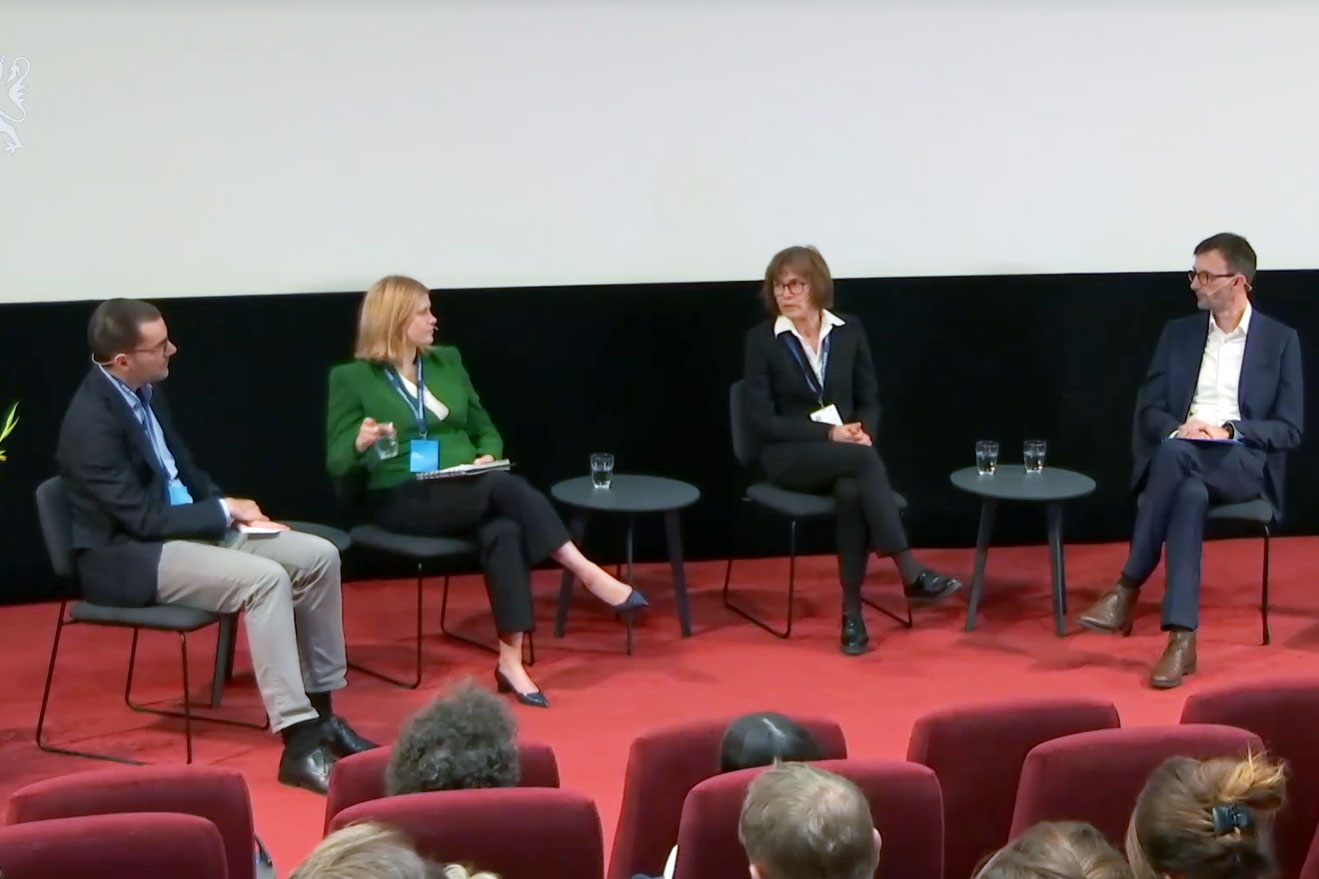
Among her talking points, Mona emphasised the value of centres like NCCS in realising CCUS’ full potential:
“It’s important to recognise that a research centre is not just research: it’s knowledge-building, knowledge-sharing, growing knowledge and ideas together, and inviting new friends on the block into the CCUS environment to learn from the knowledge base we have developed over the decades. I’m very proud to have partners like this.”
She also discussed the urgent need to establish investments and large-scale infrastructure – particularly in relation to CO2 storage capacity.
“I think we should store as much CO2 as possible, and we are so far away from what we need to store, so we shouldn’t make a difference that this is better to store than this, we should just get it in the ground as fast as possible, as much as possible,” she said.
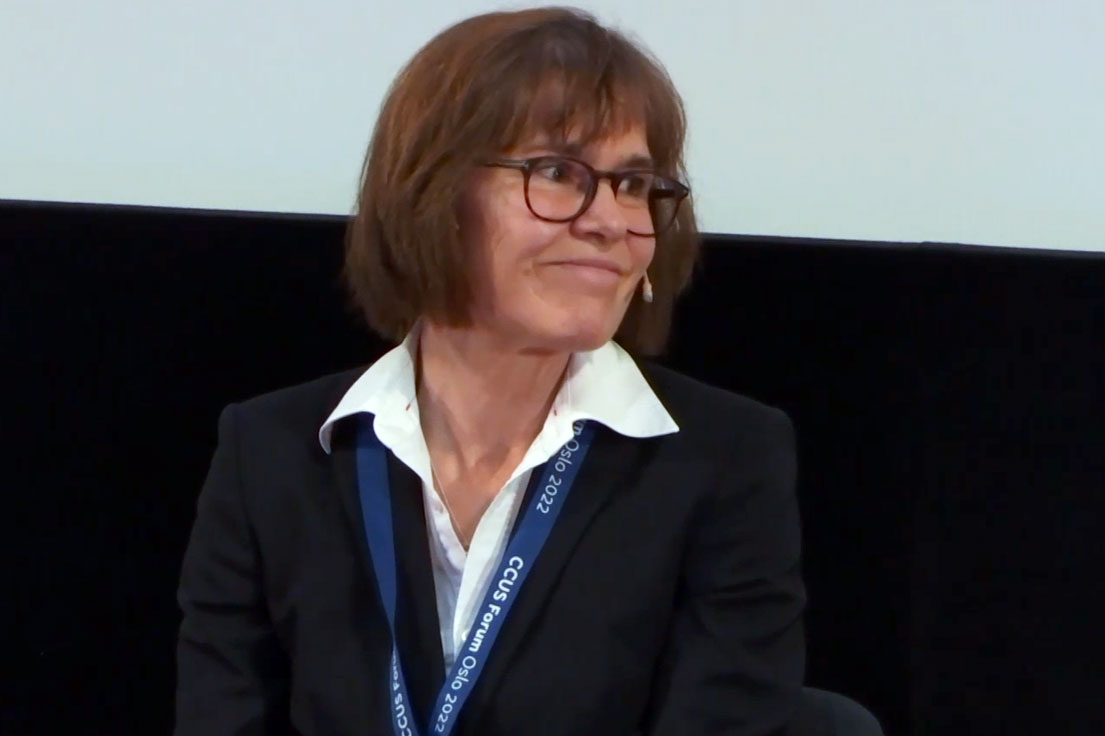
“What we need in 2030, we don’t need [to store] an exact number [of CO2 emissions], we just need to start doing it.”
You can watch the full conversation on the Norwegian government’s website.






Comments
No comments yet. Be the first to comment!