The 9th “Trondheim Conference on CO2 Capture, Transport and Storage” is held June 12 – 14, 2017, in Trondheim – Norway. The conference is organized by NCCS – International CCS Research Centre under auspices of NTNU and SINTEF. You will find more information on the Conference website.
Also, don’t miss the opportunity to nominate your candidate for the next SINTEF and NTNU CCS Award. Provided worthy candidates, the award will be presented at the TCCS-9 conference dinner on June 13. More information about the award is found here.
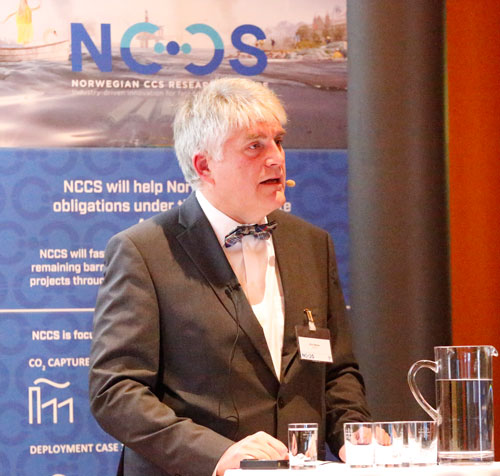
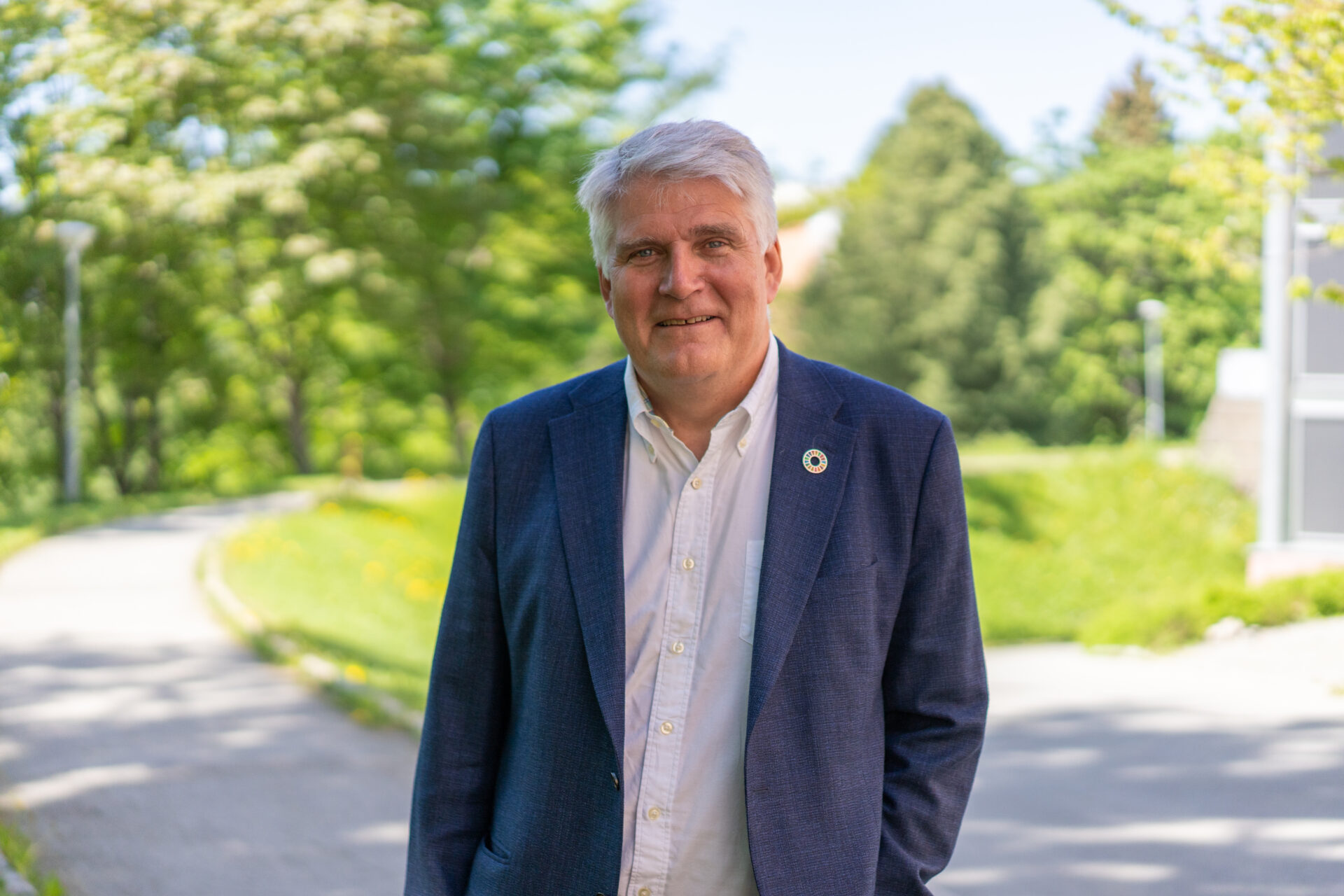
Below we are happy to present three of the ten prominent keynote speakers at the conference.

Hoping to see you in Trondheim in June!
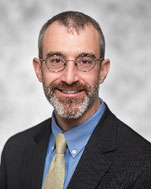
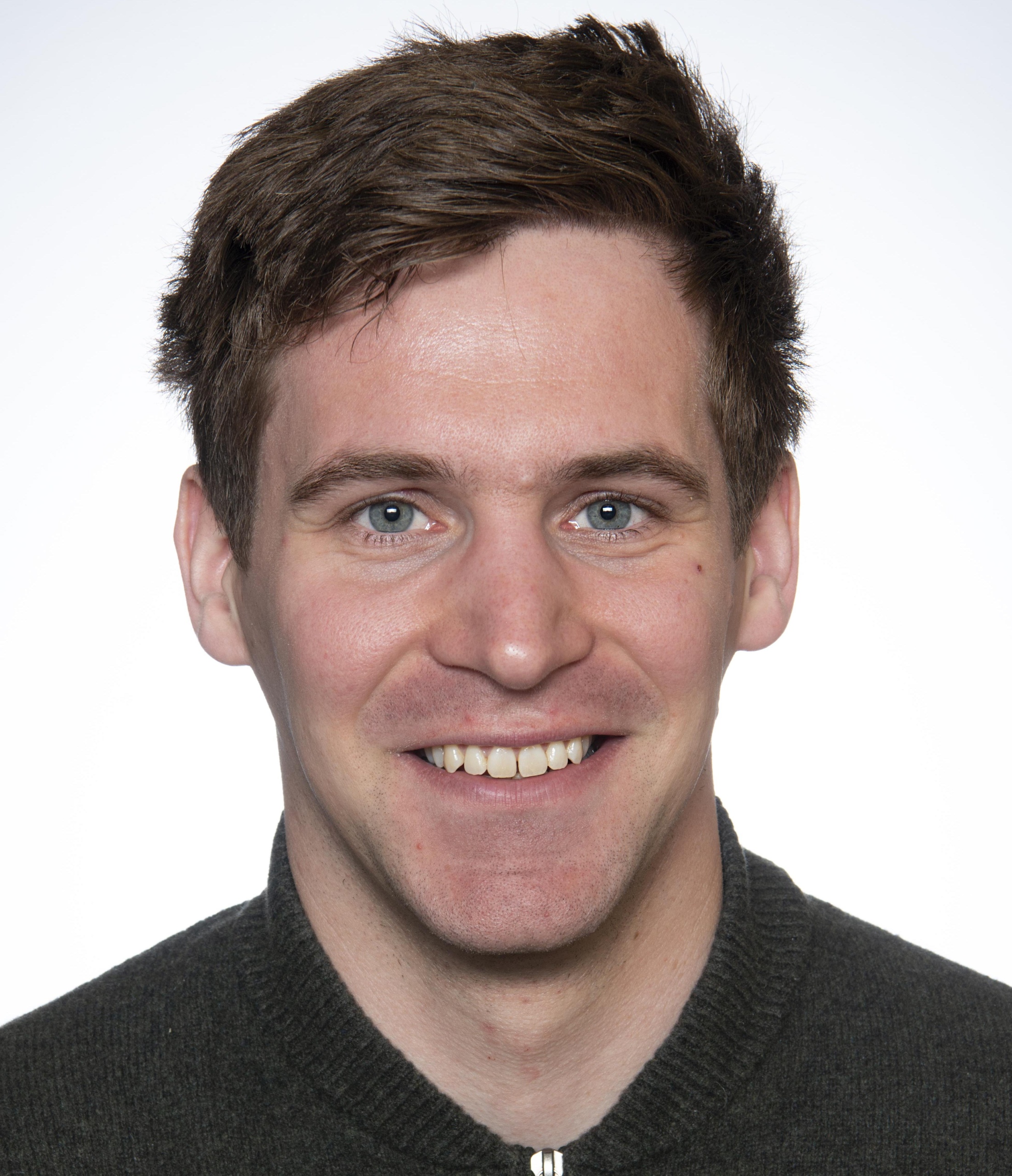
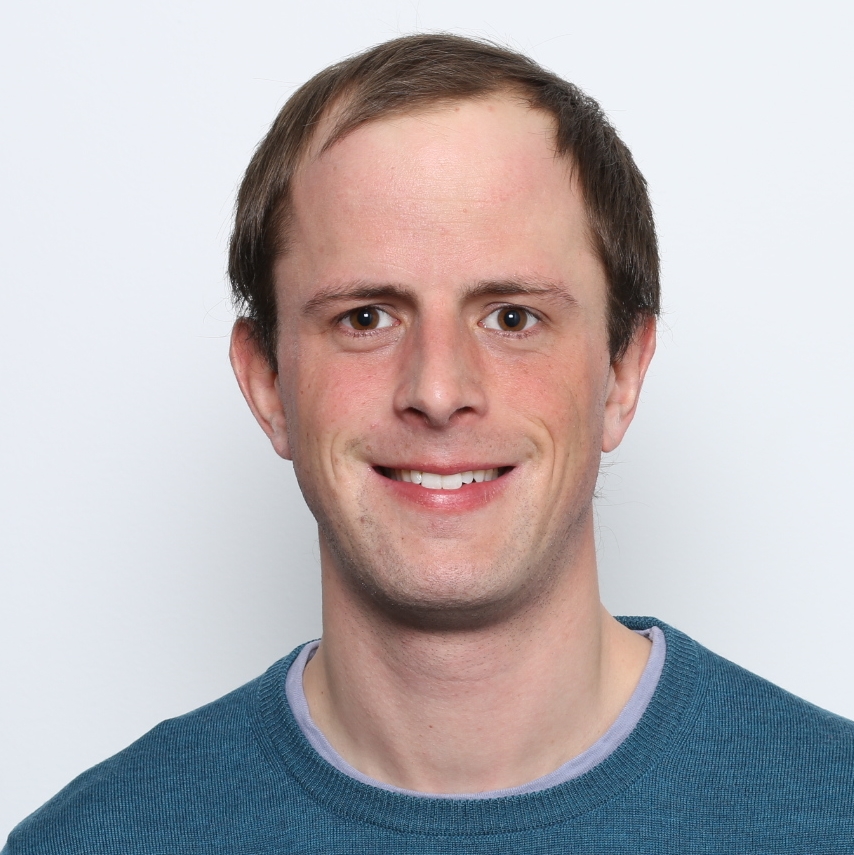
Jarad Daniels, Acting Deputy Assistant Secretary
Office of Clean Coal and Carbon Management, Office of Fossil Energy, US Department of Energy
Mr. Daniels leads the Office of Clean Coal and Carbon Management within the Department of Energy’s Office of Fossil Energy, where he is responsible for overseeing research, development, and demonstration of advanced coal and gas-based power systems. This portfolio includes domestic programs and international engagement conducted in close collaboration with industry, universities, and other research organizations.
Mr. Daniels has over twenty years of experience with the U.S. Department of Energy (DOE), managing domestic energy programs and working in several national laboratories and offices throughout the United States. His expertise includes domestic and global energy and environmental technologies, policies, and programs. Earlier management responsibilities included technology development programs for advanced power systems, environmental management, and nuclear complex remediation. Prior professional experience includes life cycle analysis, process engineering and materials science.
Mr. Daniels received a Bachelor of Science degree in Chemical Engineering from Kansas State University, and a Master of Science degree in Chemical Engineering from the University of California at Berkeley.
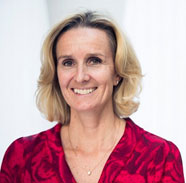
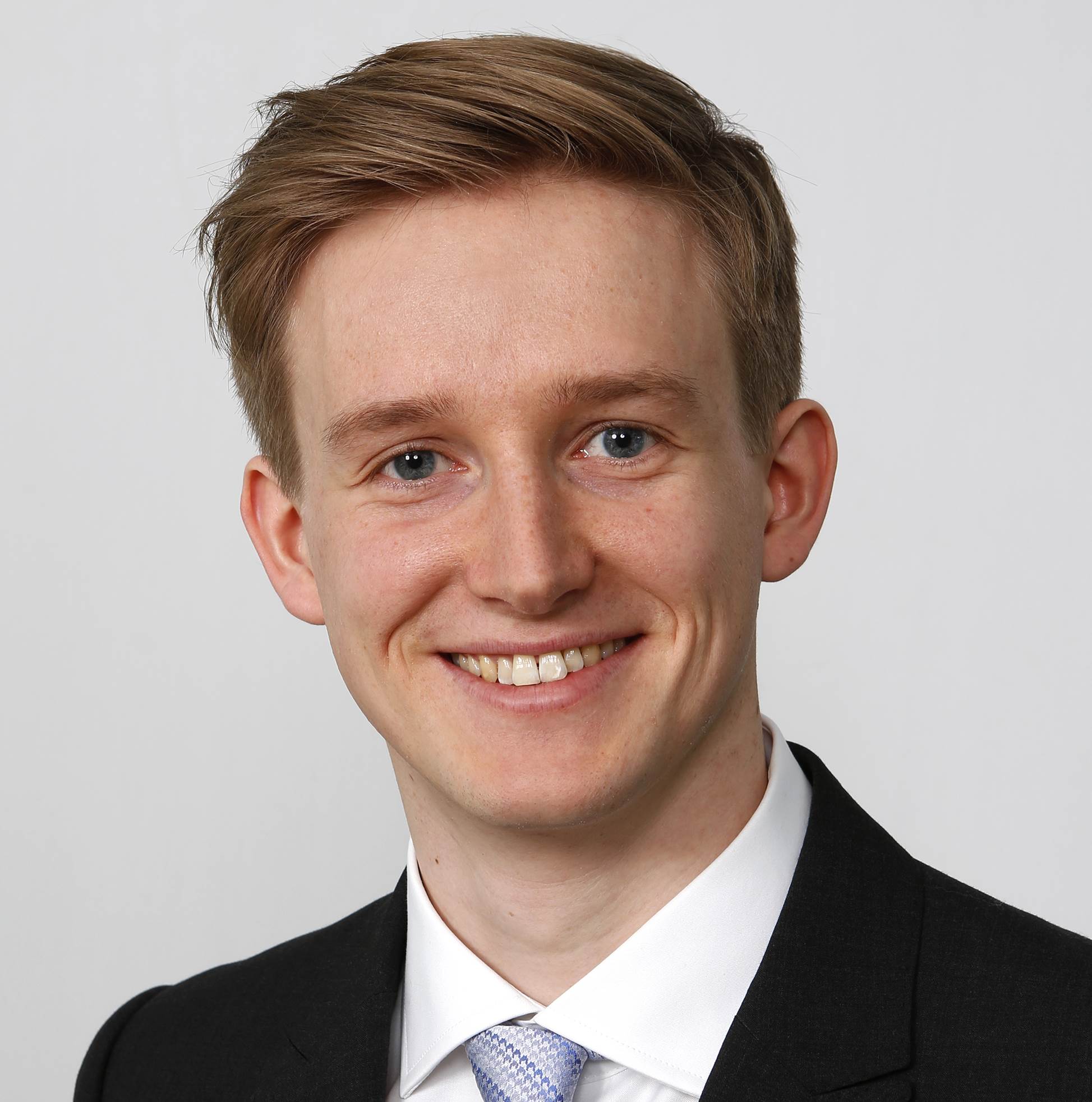
Irene Rummelhoff, Executive Vice President
New Energy Solutions, Statoil ASA
Irene Rummelhoff was appointed as Executive Vice President of the New Energy Solutions (NES) business area from 1 June 2015. Her office location is in Stavanger, Norway. Her previous position was SVP for Exploration Norway.
Rummelhoff has extensive commercial experience and broad value chain knowledge from her career in Statoil since 1991, particularly in the area of business development and natural gas. She has seven years of international experience, most recently as SVP for Strategy and Business Development in the North Amerika from 2010-2014.
The NES business area will focus on building a profitable renewable portfolio as well as developing lower carbon business opportunities for Statoil’s core products.
Irene Rummelhoff has been a member of the board in Norsk Hydro since June 2014.
Rummelhoff holds a M.Sc. degree in geology/geophysics, Norwegian University of Science and Technology (NTNU), 1990.
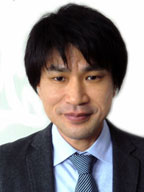
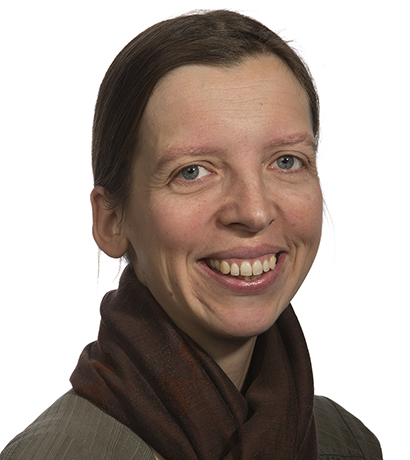
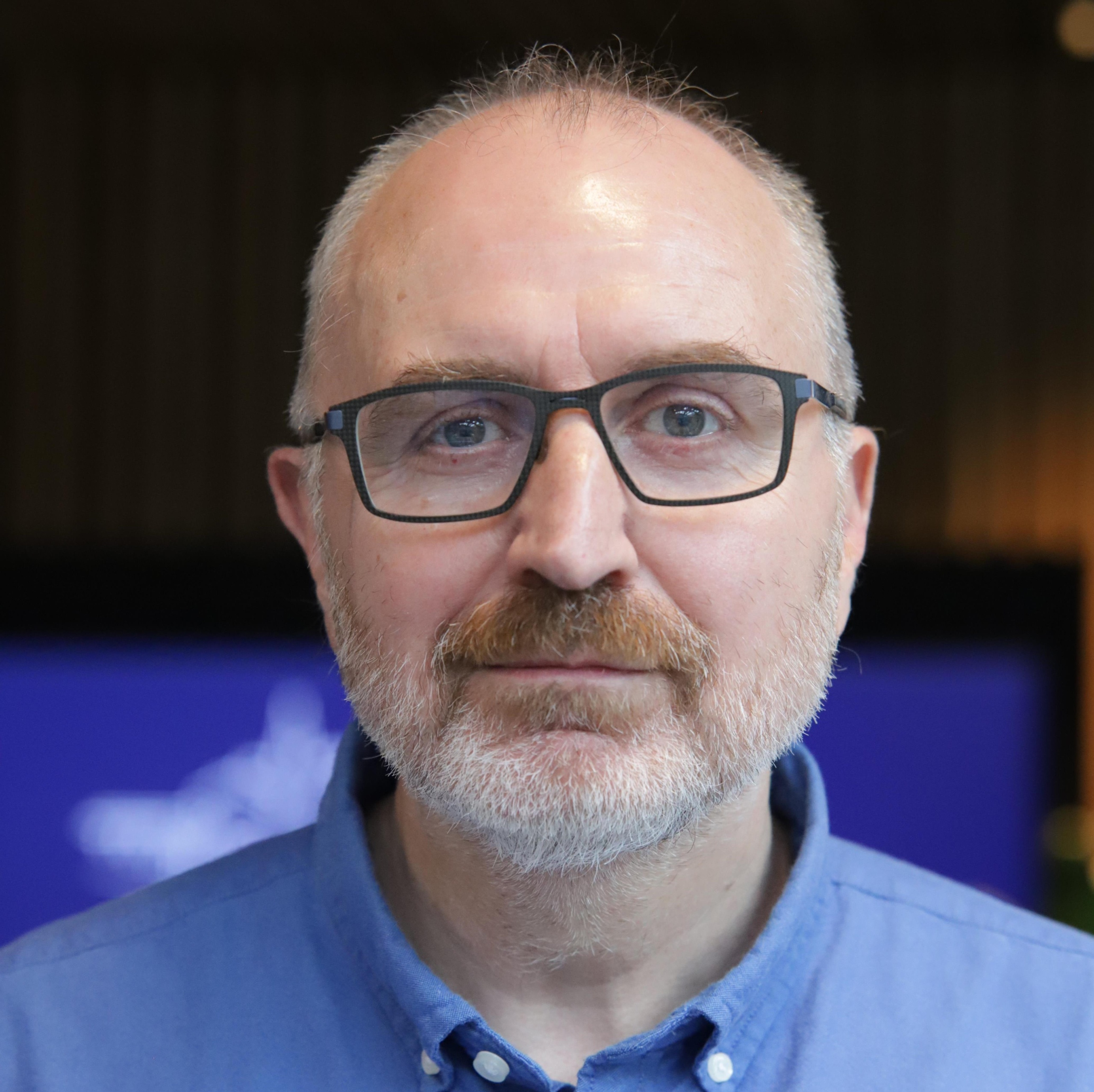
Hidetaka Yamada, Senior Researcher
Advanced CO2 Capture Technologies, Research Institute of Innovative Technology for the Earth (RITE)
Hidetaka Yamada was born in Japan in 1972. He received the Dr. degree from Kyoto University, Japan, in the field of physical chemistry. Over the last decade, he has focused on studies for environmental loading reduction, especially based on thermodynamics, spectroscopy and quantum chemistry. Since 2008, he has taken part in R&D projects on various CO2 capture technologies such as absorption, adsorption and membrane technologies in Research Institute of Innovative Technology for the Earth (RITE), Japan. His major research achievements include detailed elucidation of amine-CO2 chemistry and development of novel materials for CO2 capture. Currently, he is also mentoring to graduate students as an associate professor at Nara Institute of Science and Technology (NAIST), Japan.
9th Trondheim Conference on
CO2 Capture, Transport and Storage – website
Contact: Project Officer An Hilmo


Comments
No comments yet. Be the first to comment!