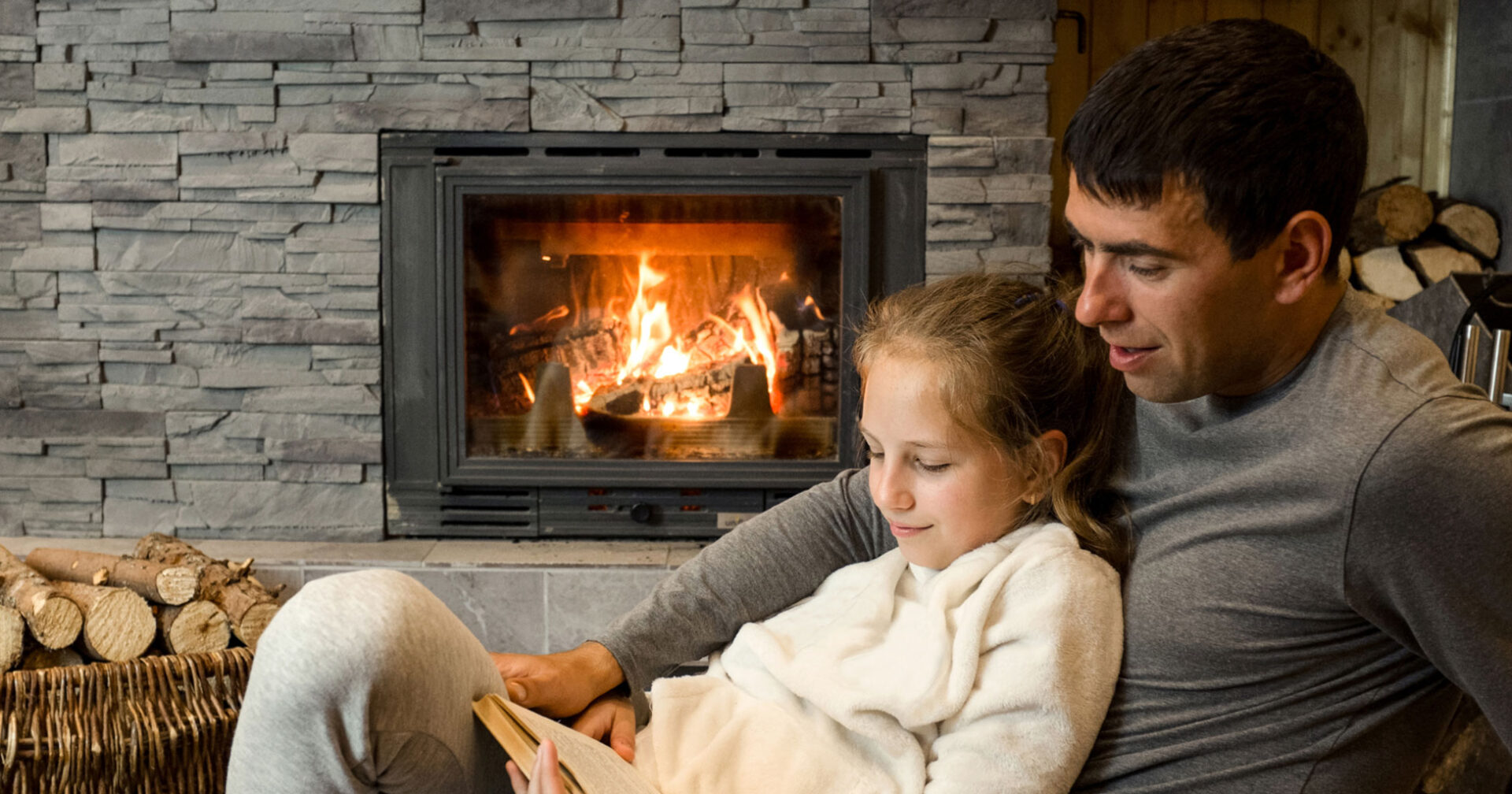

SINTEF has been striving for many decades to improve the eco and climate-friendliness of heating with wood. All new wood stoves sold in Norway since 1998 are so-called clean-burning stoves, and respect all applicable norms regarding security and emissions.
What you can do: upgrade your stove
Klimakur 2030 (link in Norwegian) has analysed greenhouse gas emissions from wood stoves, primarily methane (CH4) emissions, which accounts for the lion’s share of wood heating’s climate footprint. Old stoves are being replaced slowly but surely, which contributes to a reduction of greenhouse gas emissions. But Klimakur 2030 proposes a mandatory replacement of old stoves.
In any case, if you have an old wood burning stove and replace it with a newer one, you are doing the environment a big favour. Note however that all new stoves are not created equal: there’s a big difference between the best newer stoves and the average new ones – making it all the more important to look for the ones with the lowest emissions.
Want to learn even more about wood stoves, heating with wood and Klimakur 2030? Read this blog: Wood stoves and wood-burning – how to ensure “hygge”, heating comfort and eco-friendliness
What you can do: light it up correctly!
Heating with wood is an age-old tradition, and even today it remains an important source of heat in the winter months, as well as a source of Scandinavian “hygge” for many people.
If your neighbour has a fire going and the smoke smell is easily noticeable, you can reasonably assume that the eco-friendliness of that fire is questionable. In practice, there are many reasons behind wood smoke smell, and one of the biggest is often the human factor. Your cherished wood stove is in fact a small combustion furnace, complete with its air supply and control systems. If these fail, an eco-friendly fire can quickly become a more polluting one.
As well as doing research to make wood stoves more eco-friendly, SINTEF has also been raising awareness about the proper way to build a fire – what should and shouldn’t be done, from an environmental perspective. This 18 second video explains how to build a fire in an eco-friendly way.






Comments
No comments yet. Be the first to comment!