Skip to content

SINTEF Blog Gå til forsiden

  • Energy
  • Ocean
  • Digital
  • Health
  • Industry
  • Climate and environment
  • Building
  • Society
  • EN
  • NO
Energy

HighEFF Cross-sector Workshop 2018

author
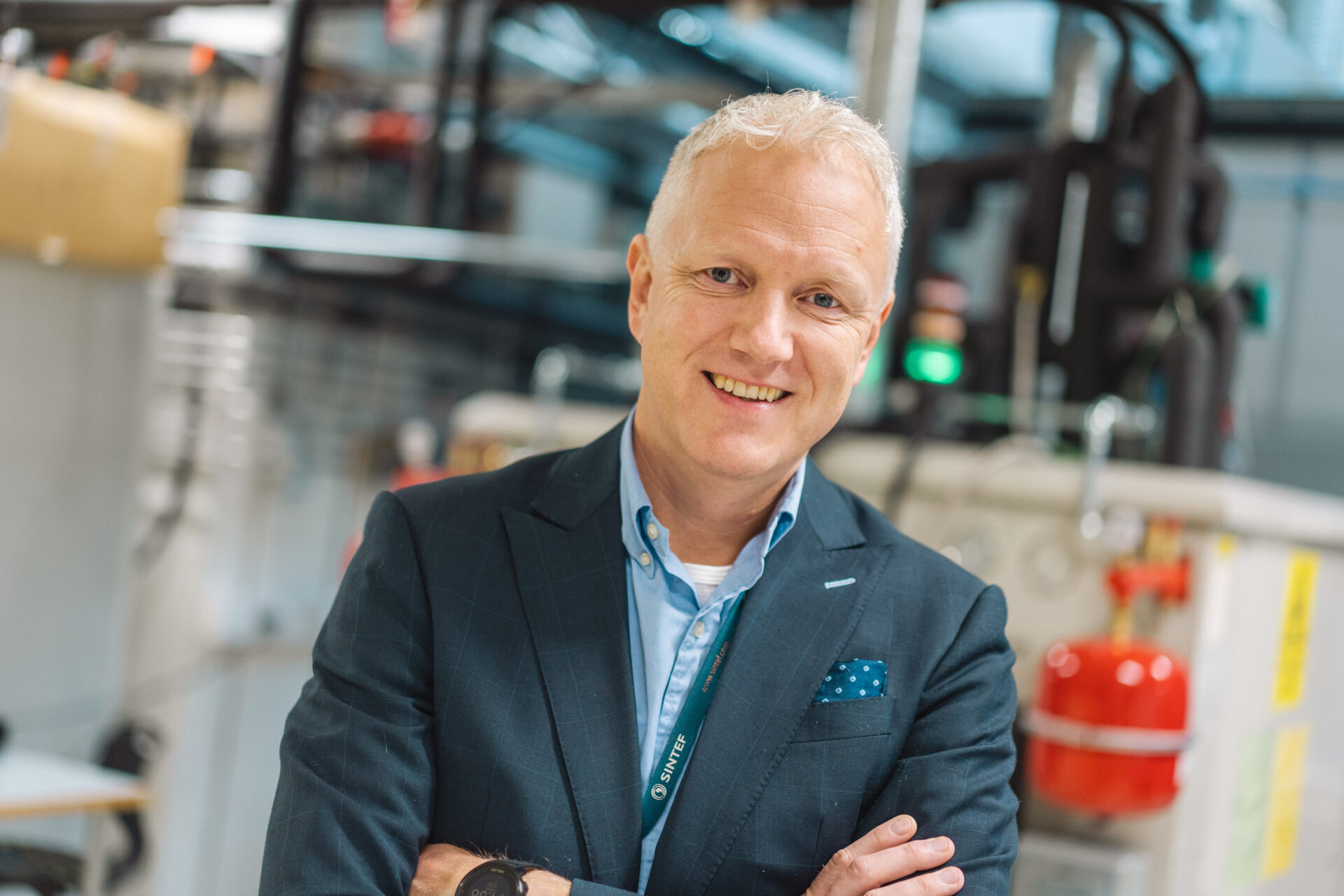
Petter Egil Røkke
Research Director
Published: 27. Nov 2018 | Last edited: 11. Apr 2025
2 min. reading
Comments (0)

24th and 25th October we hosted one of the two annual workshops for the FME HighEFF consortium. Over 100 participants from industry, R&D and academia were present to discuss results and plans for FME HighEFF. The autumn workshop has the ambition to discuss and settle plans for the coming year and also how this can affect the overall working plan for FME HighEFF.

Strategic keynote presentations at HighEFF Cross-sector Workshop 2018

In this workshop we had two strategic keynote presentations;

  • Lene Mostue, Energi21, presented the Energi21 strategy that was published in June 2018.
  • Ivar Valstad, Hydro, presented perspectives from the work in the international Energy Transition Commission.

Both of these presentation give very valuable input to FME HighEFF, bearing in mind that these FMEs are expected to have a structuring effect on national R&D.

HighEFF industrial partners sharing expectations

In the various Research Area presentations we also had input from industrial partners where they shared their expectations to FME HighEFF, both with respect to strategic aspects as well as more detailed technical issues of interest.

Industry partners sharing their views was Ellen Myrvold (ALCOA), Randi Hegdal (Wacker Chemicals), Jan Haraldsen (EPCON), Mats Nilsson (Alfa Laval) and Terje Lillebjerka (Mo industripark). PhD students and PostDoc candidates brought posters of the current status within their activities, posters that were very well visited by workshop participants.

HighEFF Executive board meeting

It is my impression that we through these two days managed to strengthen the interaction between R&D/Academia and industry. On day 2, we also had an Executive Board meeting, in which research area leaders participated for a strategic discussion focusing on how the FME ensures anchorage and relevance for potential realization of concepts, solutions and technologies developed in the centre as a whole.

Interviews with various consortium members

Petter Røkke, Centre manager HighEFF

Lene Mostuen CEO Energi21

Monika Nikolaisen, Master of Science, SINTEF¨Energy Research

Ulrik Bindingsbø, Leading Researcher Equinor

Gunn Iren Müller, Principal Engineer Hydro Aluminium

Comments

No comments yet. Be the first to comment!

Leave a comment Cancel reply

Your email address will not be published. Required fields are marked *

More about Energy

How much can energy-efficient voyage planning save? Evidence from 11 months of North Atlantic data

Author Image
Author Image
2 forfattere
Infographic showing the flow of thermal energy storage (TES) from surplus heat or cold to end users. On the left, red and blue thermometer icons represent surplus heat and cooling, accompanied by the text “Surplus heat or cold – Captured and stored for when it’s needed.” In the centre, a large panel titled “Thermal Energy Storage (TES)” presents three storage technologies. The top section, “Sensible TES,” shows a container with a thermometer and the text “Stores heat in one single phase.” The middle section, “Latent TES,” shows a water droplet and snowflake connected by circular arrows, with the text “Stores heat through phase change.” The bottom section, “Thermochemical TES,” shows two connected coloured circles that separate and reconnect, illustrating a reversible reaction, with the text “Stores heat through reversible reactions.” A large pale arrow-shaped wedge points from the TES panel toward the right side of the figure. On the right, three application areas are shown in separate boxes with icons: industrial processes, buildings, and data centres. The layout conveys that surplus heat or cold can be stored using sensible, latent, or thermochemical TES technologies and later supplied to industrial facilities, buildings, and data centres.

Thermal energy storage is already commercial  

Jorge Salgado Beceiro
Research Manager

Burning ammonia cleanly: How timing changes everything 

Author Image
Author Image
2 forfattere

Technology for a better society

  • About this blog
  • How to write a science blog
  • Sign up for our newsletter
  • News from NTNU and SINTEF
  • Facebook
Gå til SINTEF.no
SINTEF logo
© 2026 SINTEF Foundation
Privacy Editorial Press contacts Website by Headspin