Skip to content

SINTEF Blog Gå til forsiden

  • Energy
  • Ocean
  • Digital
  • Health
  • Industry
  • Climate and environment
  • Building
  • Society
  • EN
  • NO
Energy

ELEGANCY – progress meeting in London

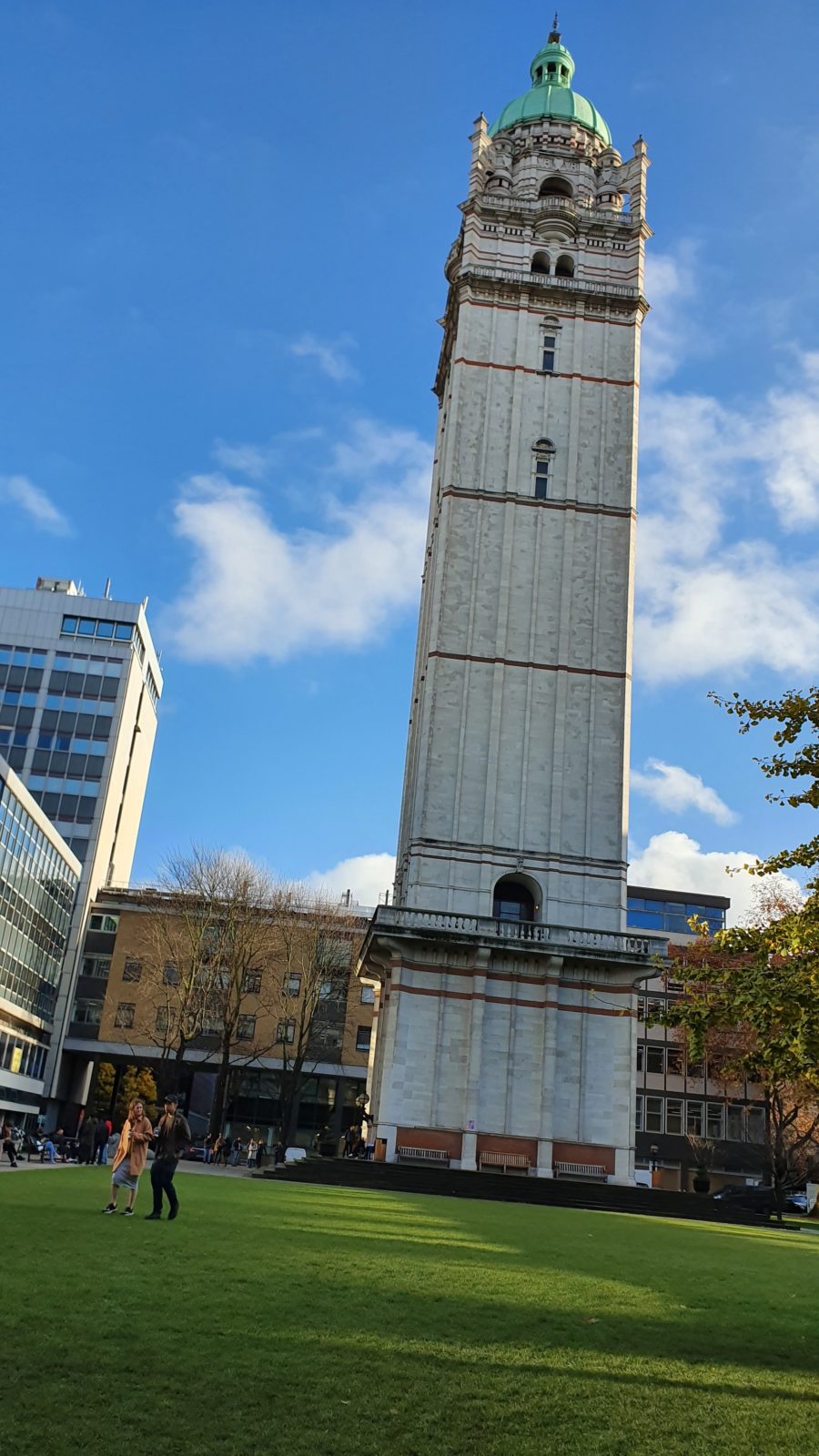
Imperial College London
author
Svend Tollak Munkejord
Chief Scientist
Published: 5. Dec 2019 | Last edited: 10. Apr 2025
2 min. reading
Comments (0)

ELEGANCY is an ACT (Accelerating CCS Technologies) research project aiming to provide knowledge in the form of data, models and case studies on how Europe’s energy system can be decarbonized via CCS and hydrogen. The partner countries are Germany, the Netherlands, Norway, Switzerland and the UK, with some partners located in Belgium and Sweden.

This was the fifth in the series of ELEGANCY consortium meetings, and it was hosted by Imperial College London, the UK consortium leader in ELEGANCY. During two days, the project participants presented and discussed the latest findings, and also made preparations for 2020, in which the project will conclude.

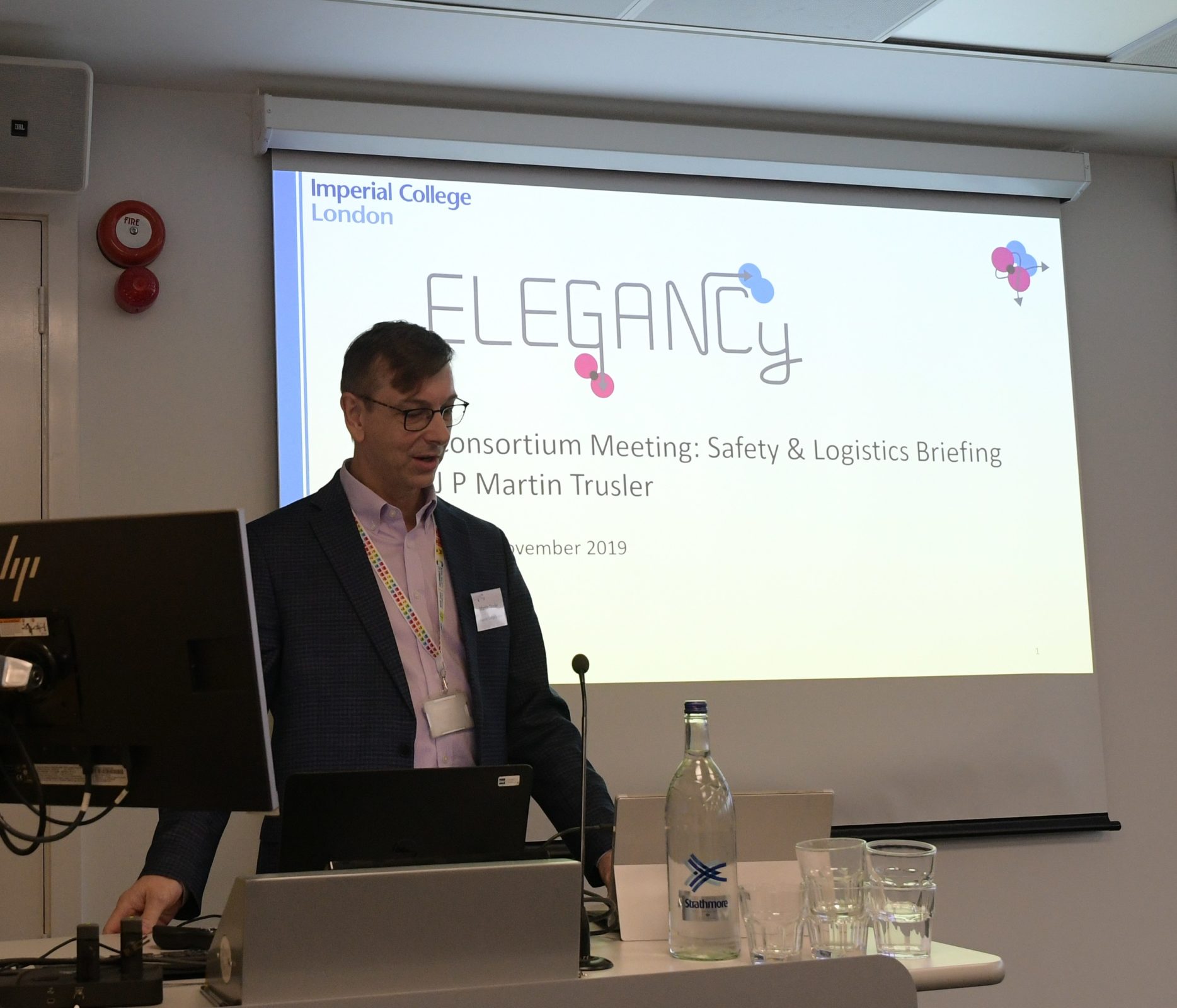
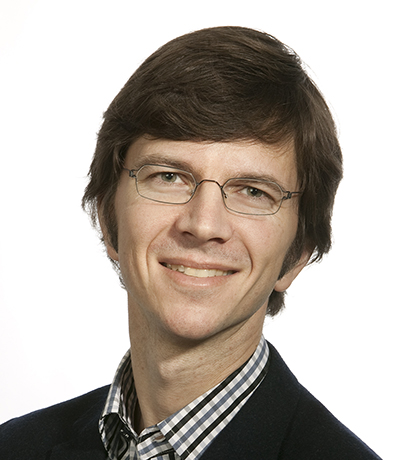
J P Martin Trusler
J P Martin Trusler (Imperial College London) hosted the ELEGANCY meeting. Photo: Robert de Kler.
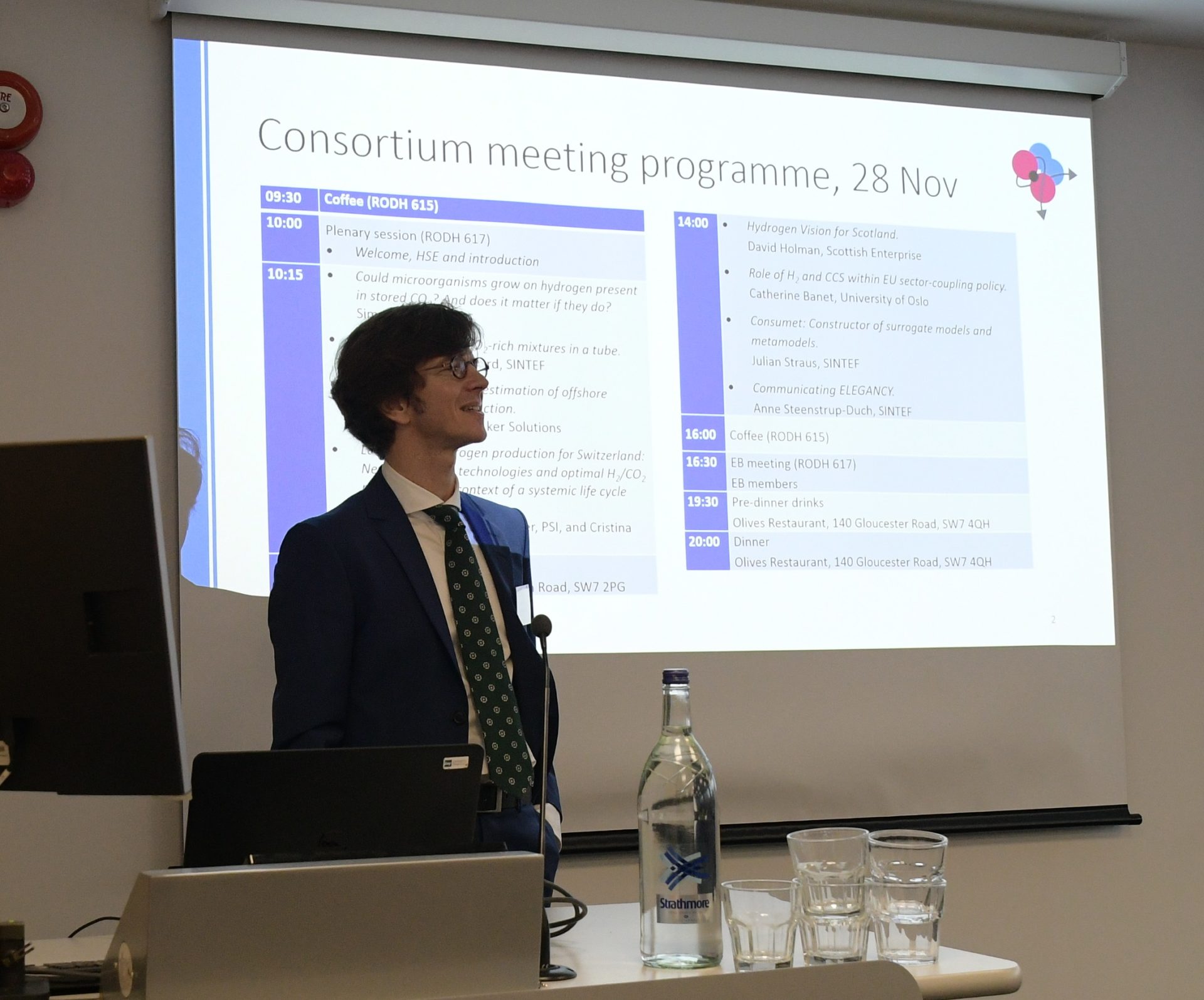
Svend Tollak Munkejord
Svend Tollak Munkejord (SINTEF) chaired the meeting and presented experimental and modelling results regarding the decompression of a CO2-nitrogen mixture in a pipe. Photo: Robert de Kler.
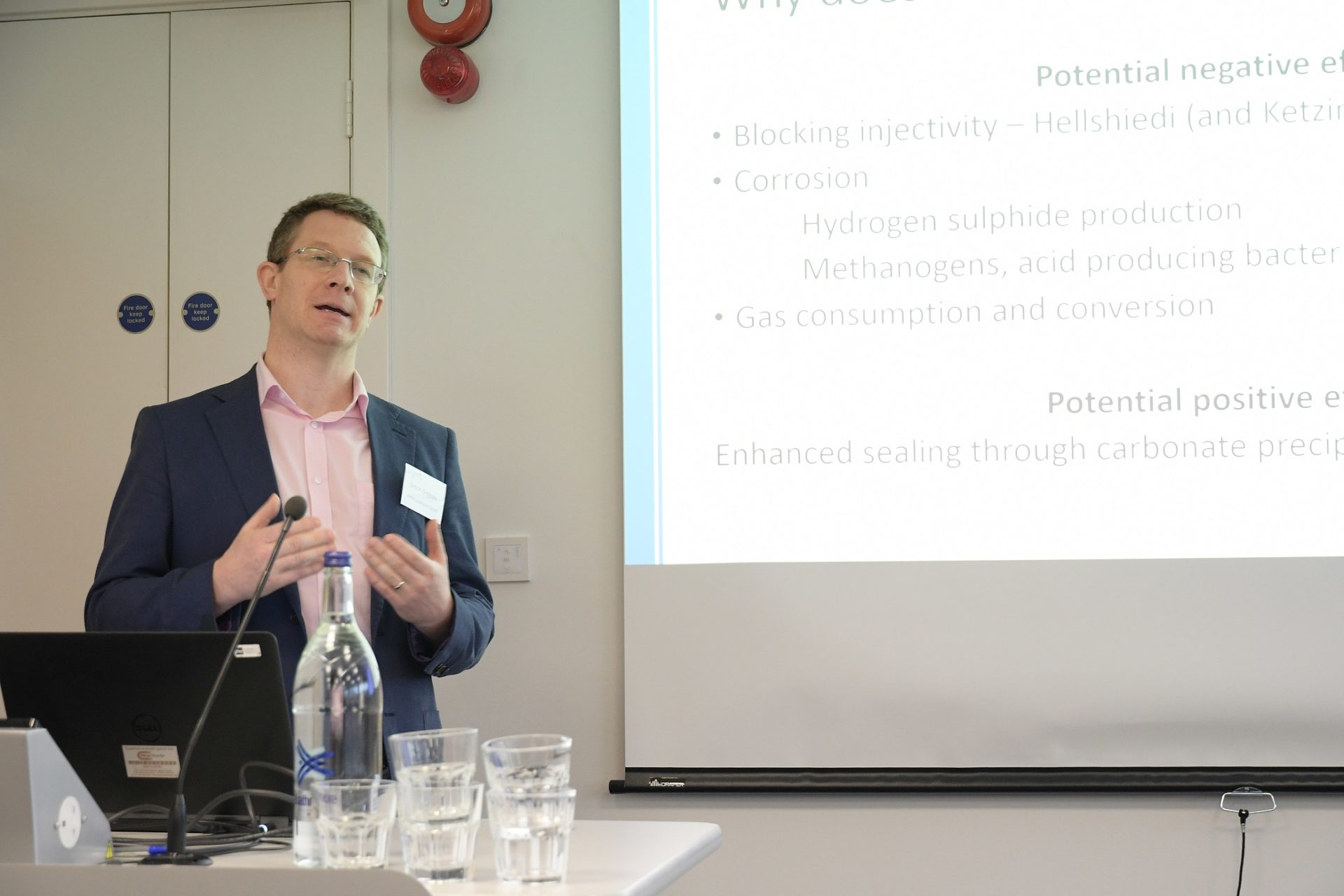
Simon Gregory
Simon Gregory (British Geological Survey) presented an experimental set-up to find out whether microorganisms in the underground rock could affect CO2 injection and storage. Photo: Svend T. Munkejord.
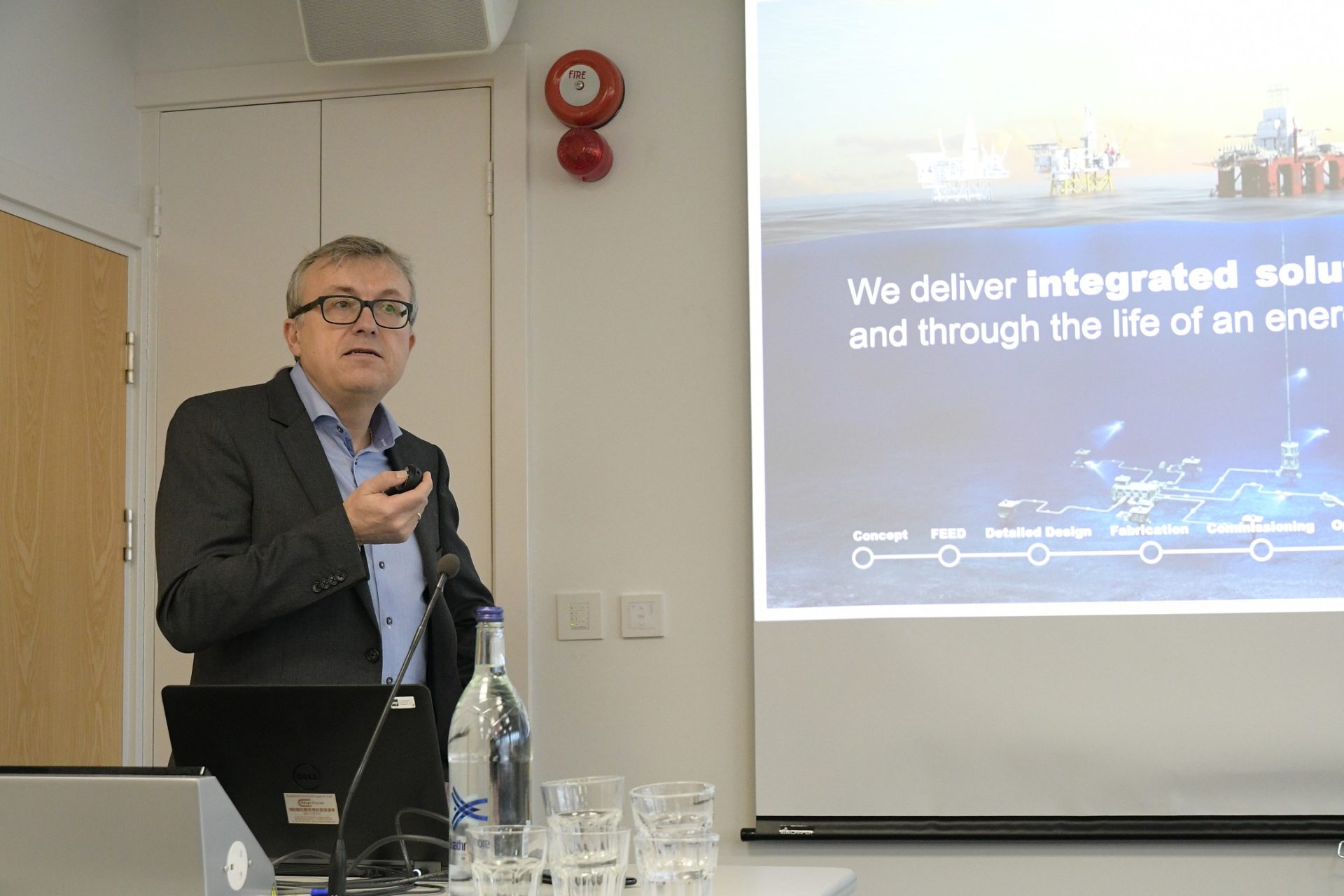
Simon Woodhouse
Simon Woodhouse (Aker Solutions) presented initial work on the implementation and estimation of offshore facilities for hydrogen production. Photo: Svend T. Munkejord.
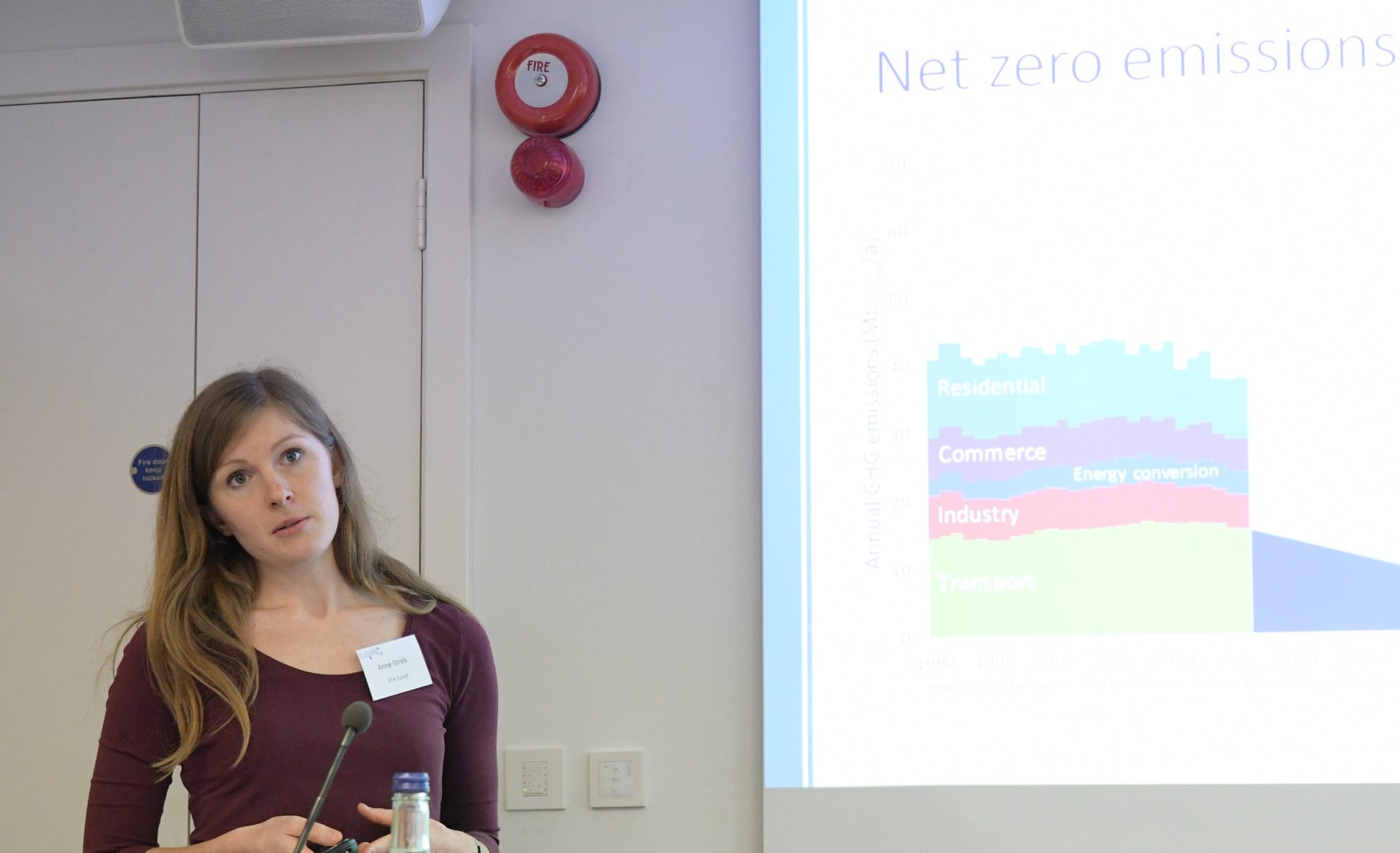
Anne Streb
Anne Streb (ETH Zürich) presented a promising technology (pressure vacuum swing adsorption) for co-production of pure CO2 and hydrogen at the same time. Photo: Svend T. Munkejord.
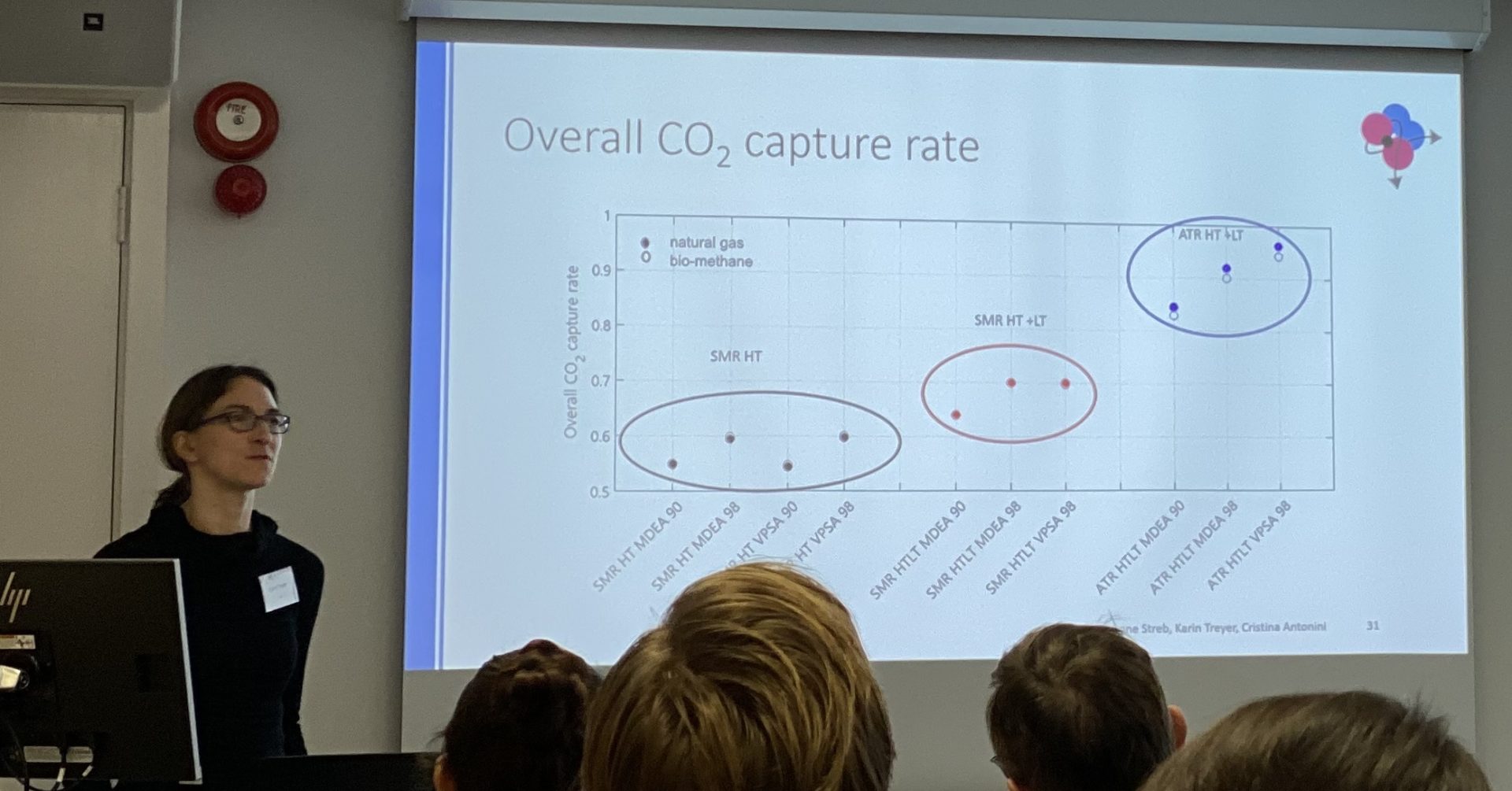
Karin Treyer
Karin Treyer (Paul Scherrer Institute) followed up with a life-cycle assessment of hydrogen production and concluded that CCS is necessary. Photo: Anne Steenstrup-Duch.
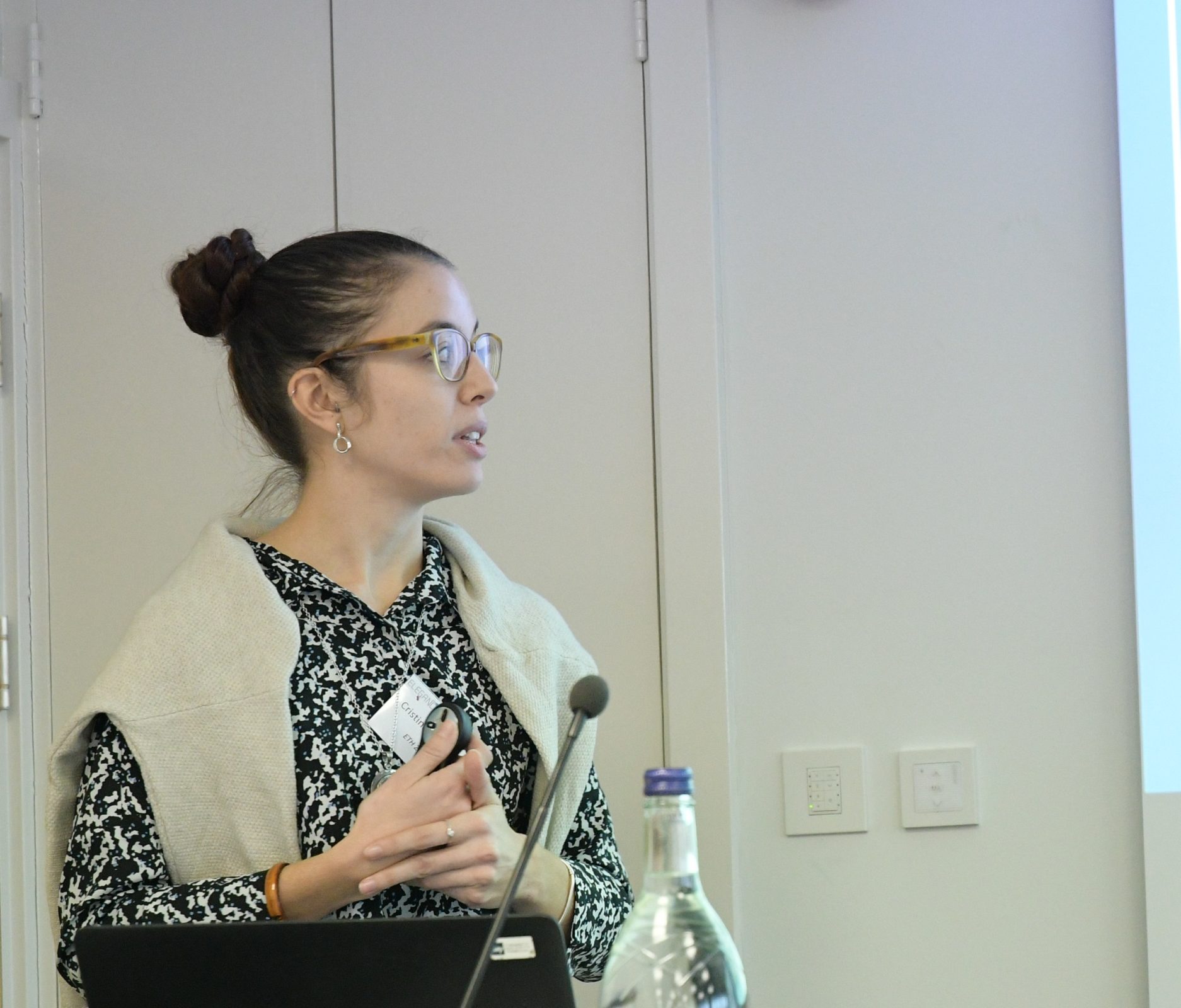
Cristina Antonini
Cristina Antonini (ETH Zürich) discussed an optimal supply chain for low-carbon hydrogen in Switzerland. Photo: Svend T. Munkejord.
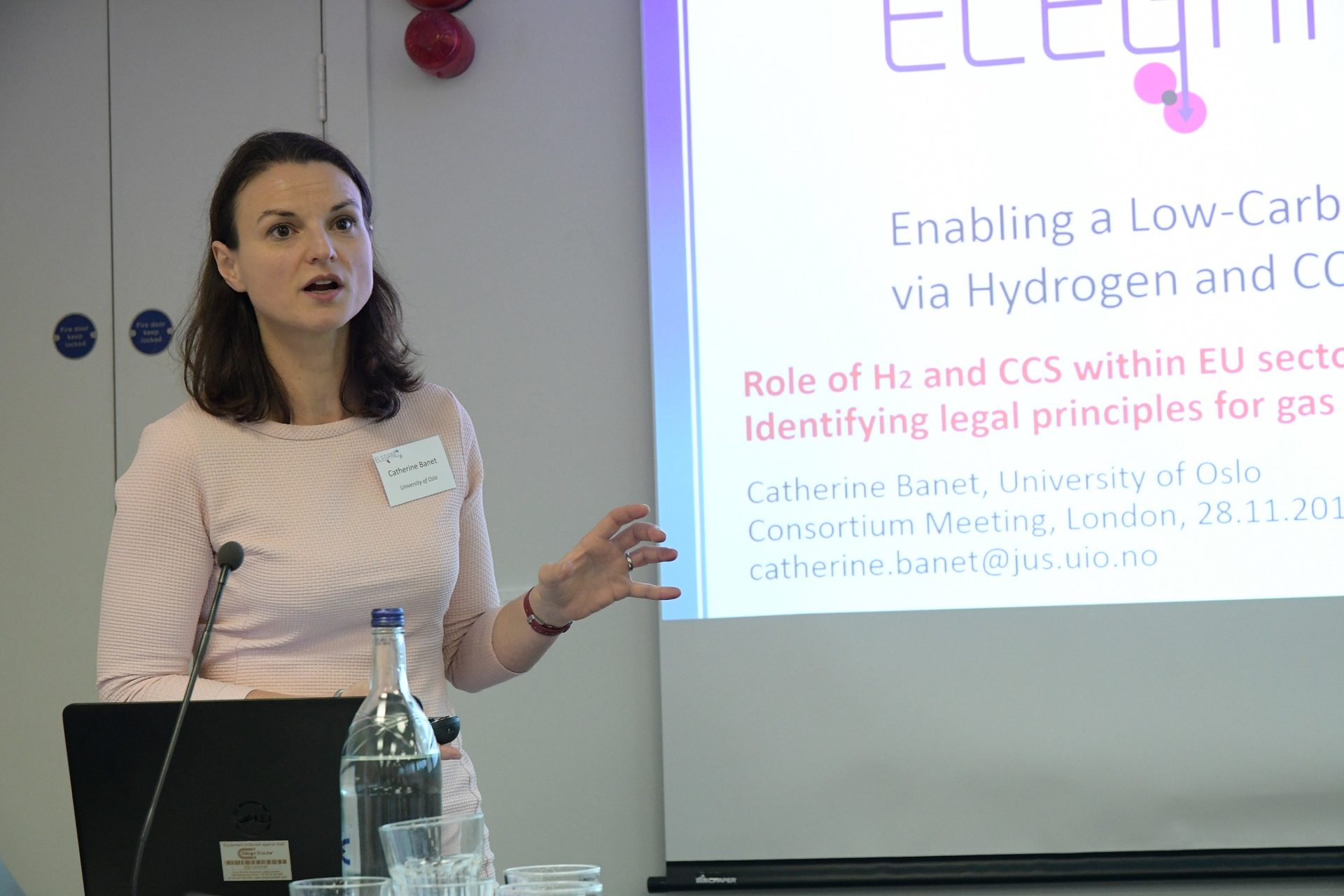
Catherine Banet
Catherine Banet (University of Oslo) discussed the role of hydrogen and CCS within the EU sector-coupling policy. Photo: Svend T. Munkejord.
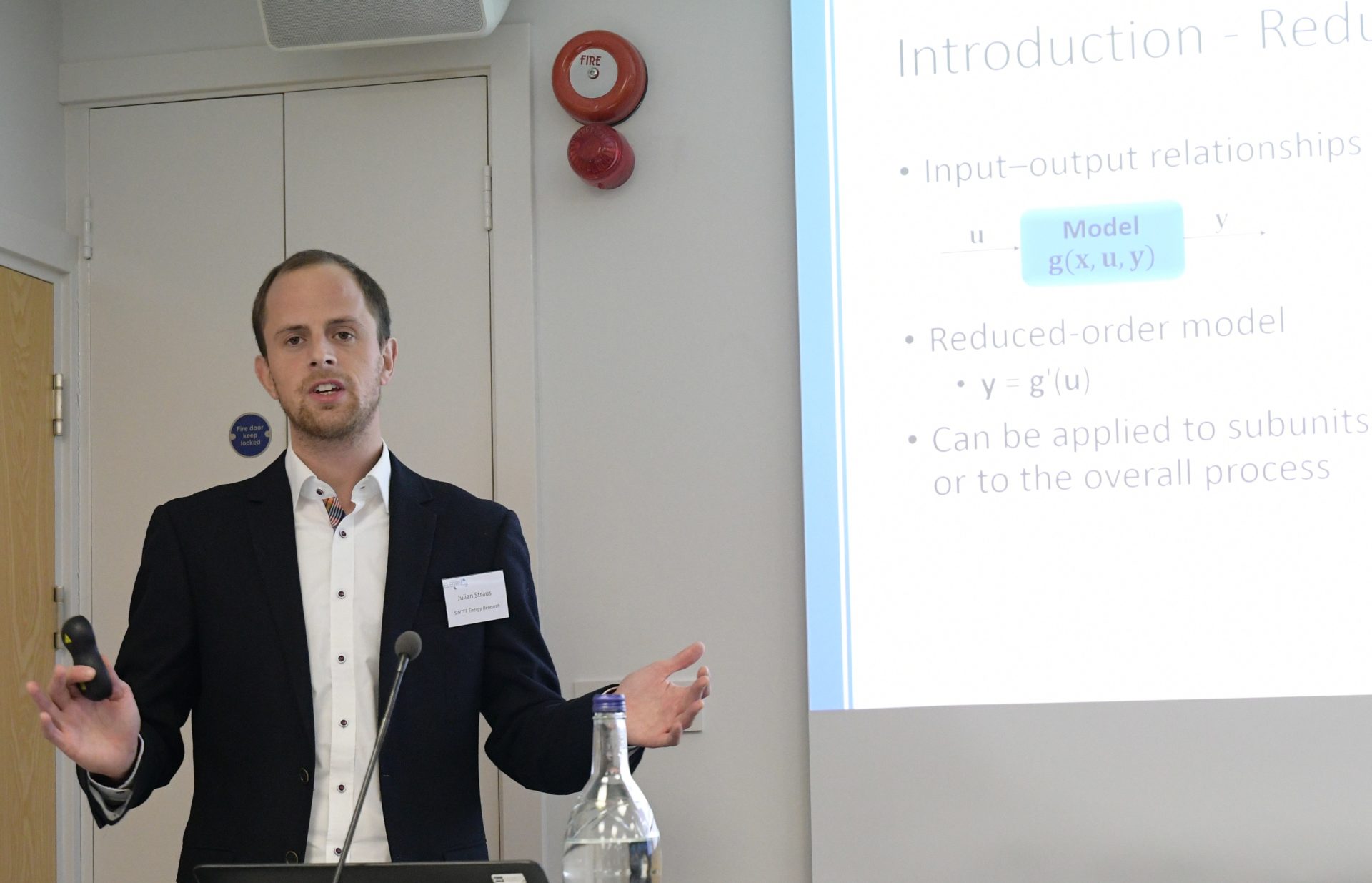
Julian Straus
Julian Straus (SINTEF) presented a computer software to facilitate the optimization of complex processes. Photo: Svend T. Munkejord.
Anne Steenstrup-Duch (SINTEF) discussed science and research communication, preparing the audience for the work-package workshops. Photo: Twitter


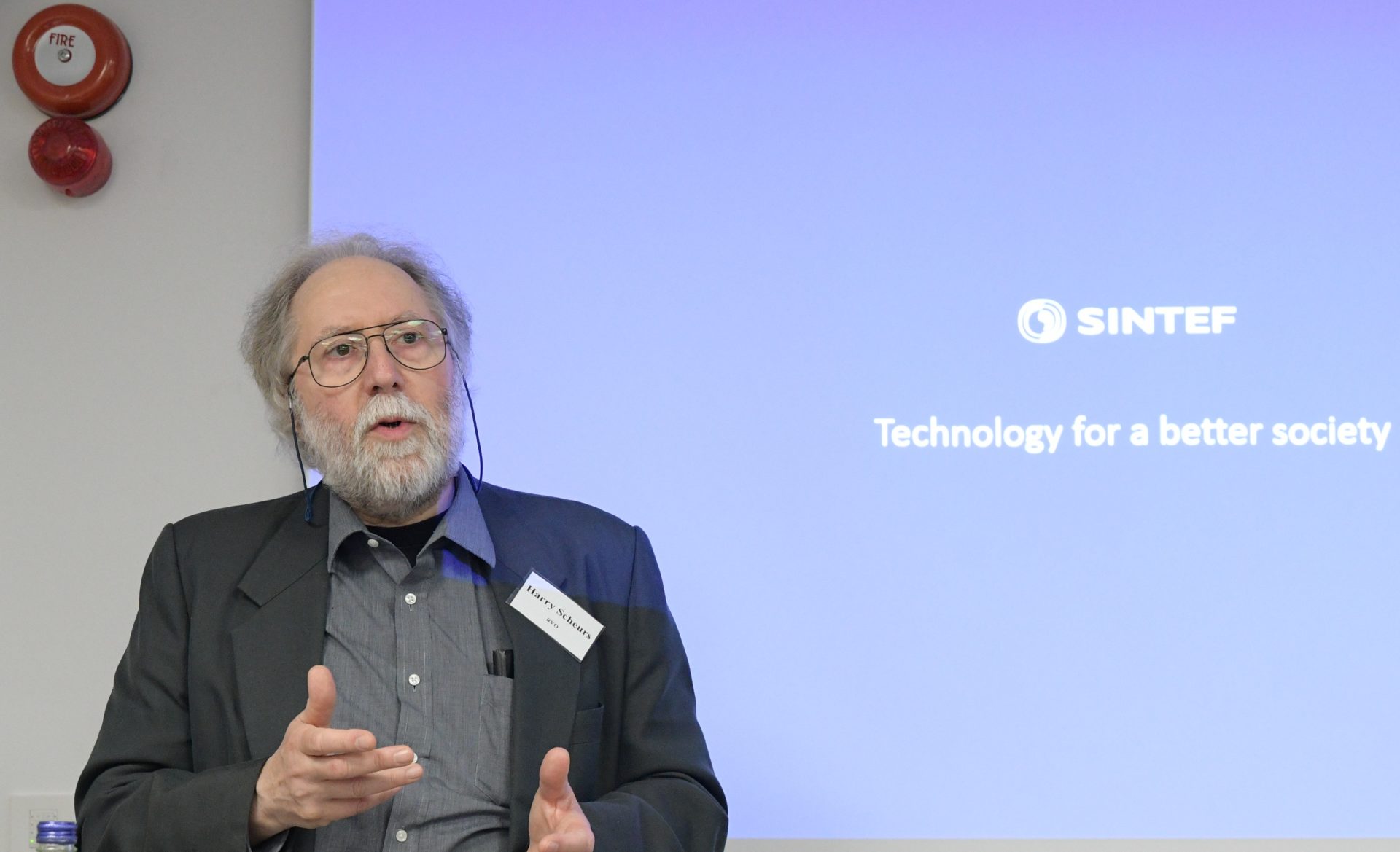
Harry Schreurs
Harry Schreurs (RVO, the Netherlands) represented the ACT funding agencies stating that he was pleased with what he had seen and heard, while urging the project to keep up the good work and deliver good results in 2020. Photo: Svend T. Munkejord.
Comments

No comments yet. Be the first to comment!

Leave a comment Cancel reply

Your email address will not be published. Required fields are marked *

More about Energy

How much can energy-efficient voyage planning save? Evidence from 11 months of North Atlantic data

Author Image
Author Image
2 forfattere
Infographic showing the flow of thermal energy storage (TES) from surplus heat or cold to end users. On the left, red and blue thermometer icons represent surplus heat and cooling, accompanied by the text “Surplus heat or cold – Captured and stored for when it’s needed.” In the centre, a large panel titled “Thermal Energy Storage (TES)” presents three storage technologies. The top section, “Sensible TES,” shows a container with a thermometer and the text “Stores heat in one single phase.” The middle section, “Latent TES,” shows a water droplet and snowflake connected by circular arrows, with the text “Stores heat through phase change.” The bottom section, “Thermochemical TES,” shows two connected coloured circles that separate and reconnect, illustrating a reversible reaction, with the text “Stores heat through reversible reactions.” A large pale arrow-shaped wedge points from the TES panel toward the right side of the figure. On the right, three application areas are shown in separate boxes with icons: industrial processes, buildings, and data centres. The layout conveys that surplus heat or cold can be stored using sensible, latent, or thermochemical TES technologies and later supplied to industrial facilities, buildings, and data centres.

Thermal energy storage is already commercial  

Jorge Salgado Beceiro
Research Manager

Burning ammonia cleanly: How timing changes everything 

Author Image
Author Image
2 forfattere

Technology for a better society

  • About this blog
  • How to write a science blog
  • Sign up for our newsletter
  • News from NTNU and SINTEF
  • Facebook
Gå til SINTEF.no
SINTEF logo
© 2026 SINTEF Foundation
Privacy Editorial Press contacts Website by Headspin