
Skip to content

SINTEF Blog Gå til forsiden

  • Energy
  • Ocean
  • Digital
  • Health
  • Industry
  • Climate and environment
  • Building
  • Society
  • EN
  • NO
Energy

EERA DeepWind’2017 Conference the 18 – 20 January 2017

Opening and welcome by chair 09.40 Welcoming note by Deputy Mayor Hilde Opoku
author
John Olav Giæver Tande
Research Manager / Chief Researcher
Published: 31. Jan 2017 | Last edited: 15. Apr 2025
2 min. reading
Comments (0)

EERA DeepWind’2017 was the 14th Deep Sea Offshore Wind R&D Conference held in Trondheim, Norway.

The conference was organized by the research parties in NOWITECH in cooperation with the European Energy Research Alliance (EERA) joint programme on wind energy and NORCOWE. The event aimed at presenting the best on-going R&D on deep sea offshore wind farms, both bottom fixed and floating.

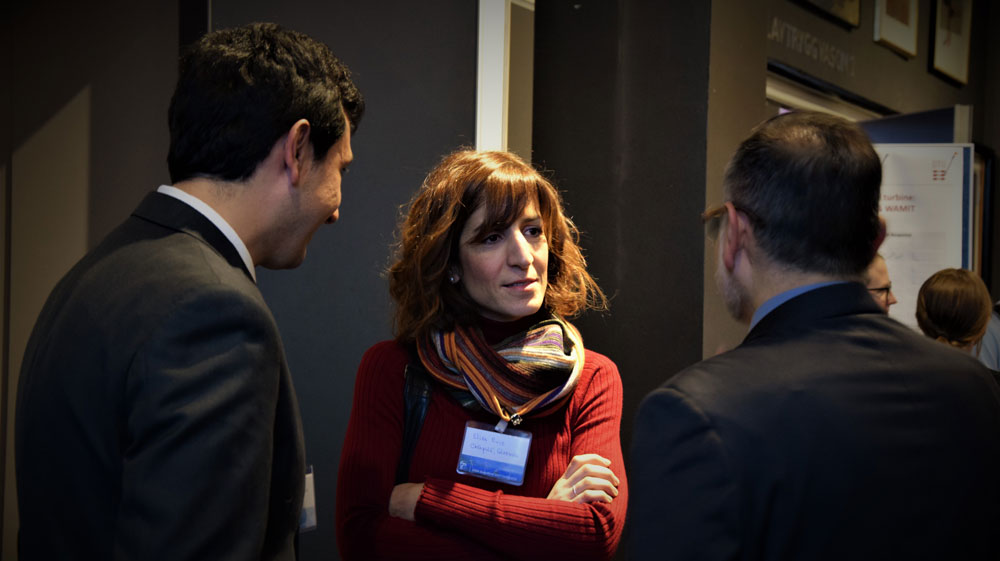
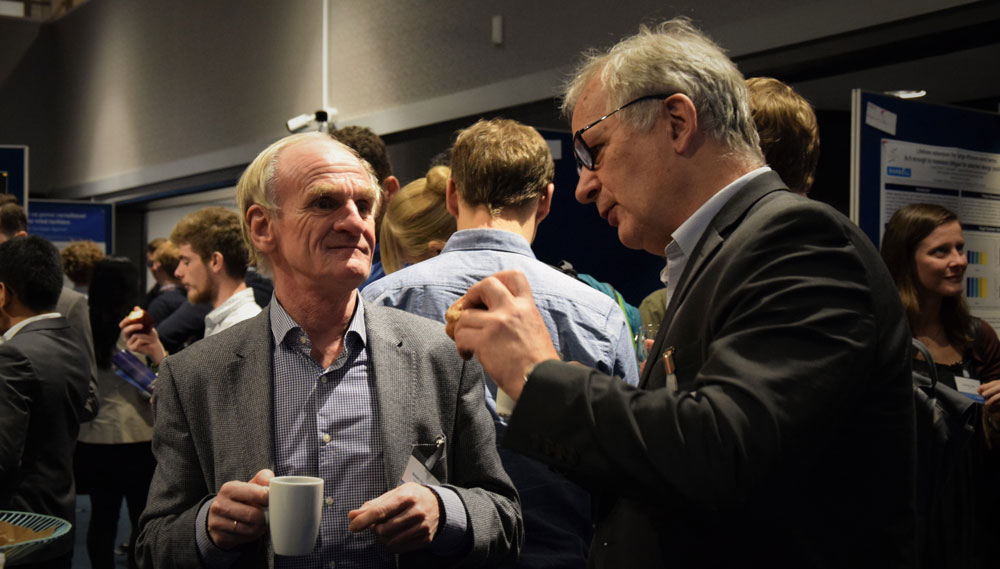
Below follows some photos from the conference opening, poster session and closing. In between the opening on Wednesday and the closing session on Friday there was parallel sessions covering:

  • New turbine and generator technology
  • Met-ocean conditions
  • Operations & maintenance
  • Installation and sub-structures
  • Experimental Testing and Validation
  • Grid connection and power system integration
  • Floating wind turbines
  • Wind farm optimization

Opening session
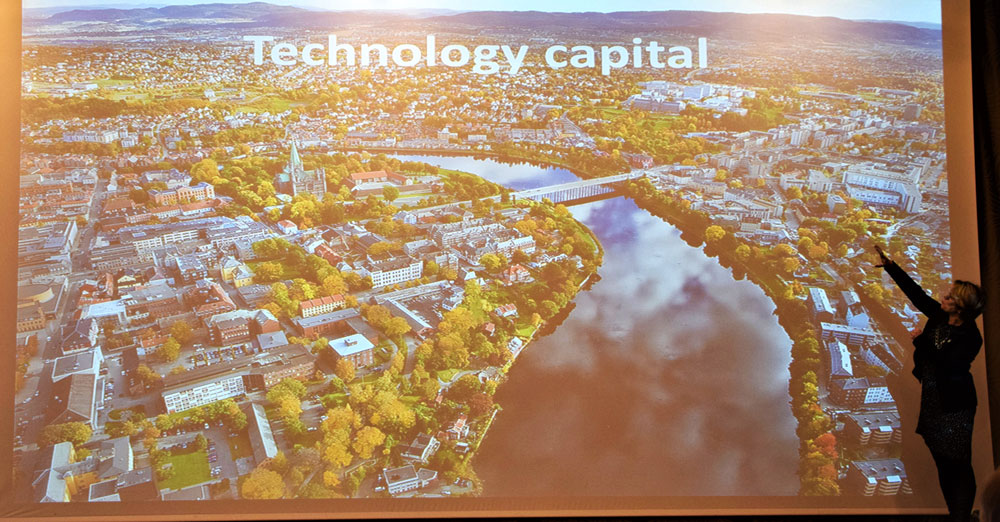
Opoku
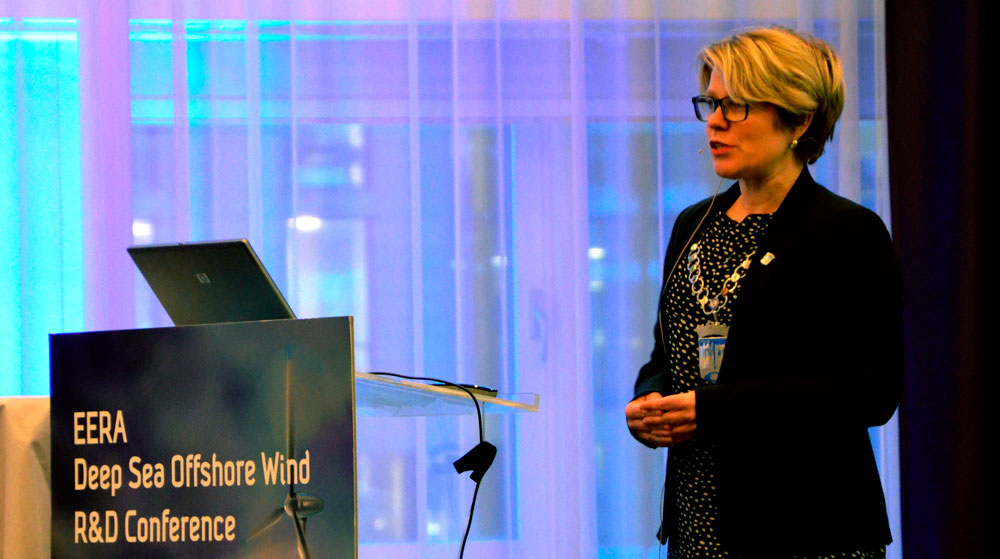
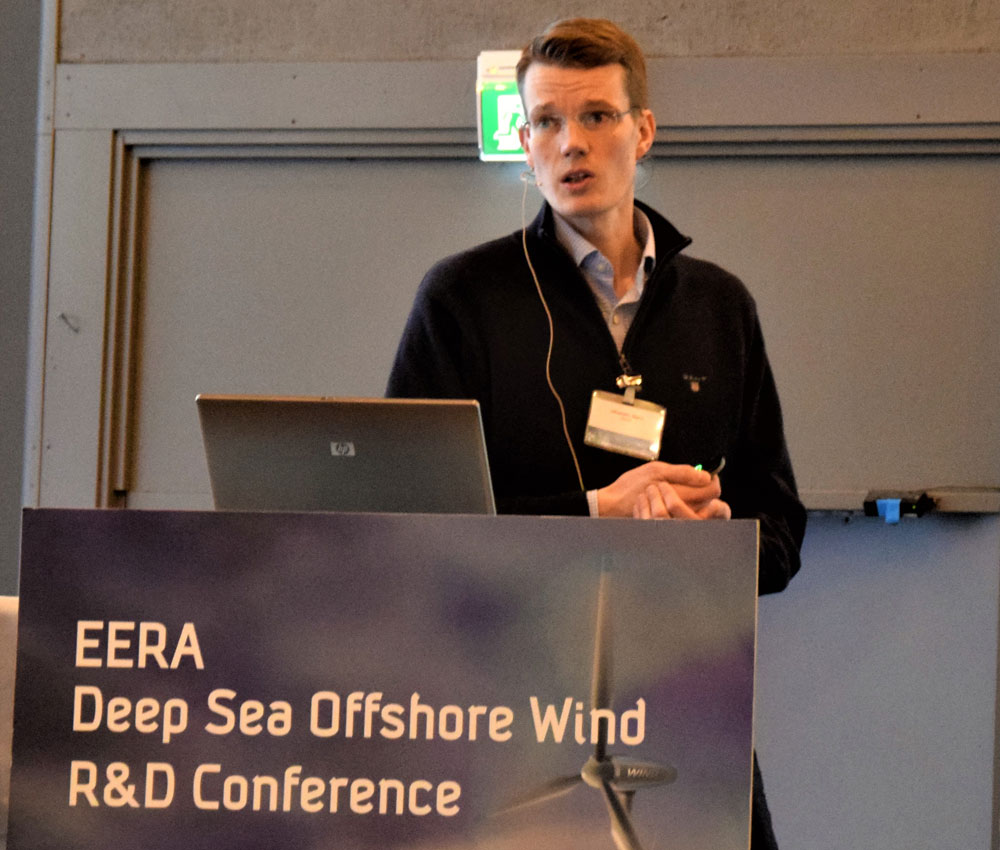
Opening and welcome by chair 09.40 Welcoming note by Deputy Mayor Hilde Opoku
Opening and welcome by chair 09.40 Welcoming note by Deputy Mayor Hilde Opoku.
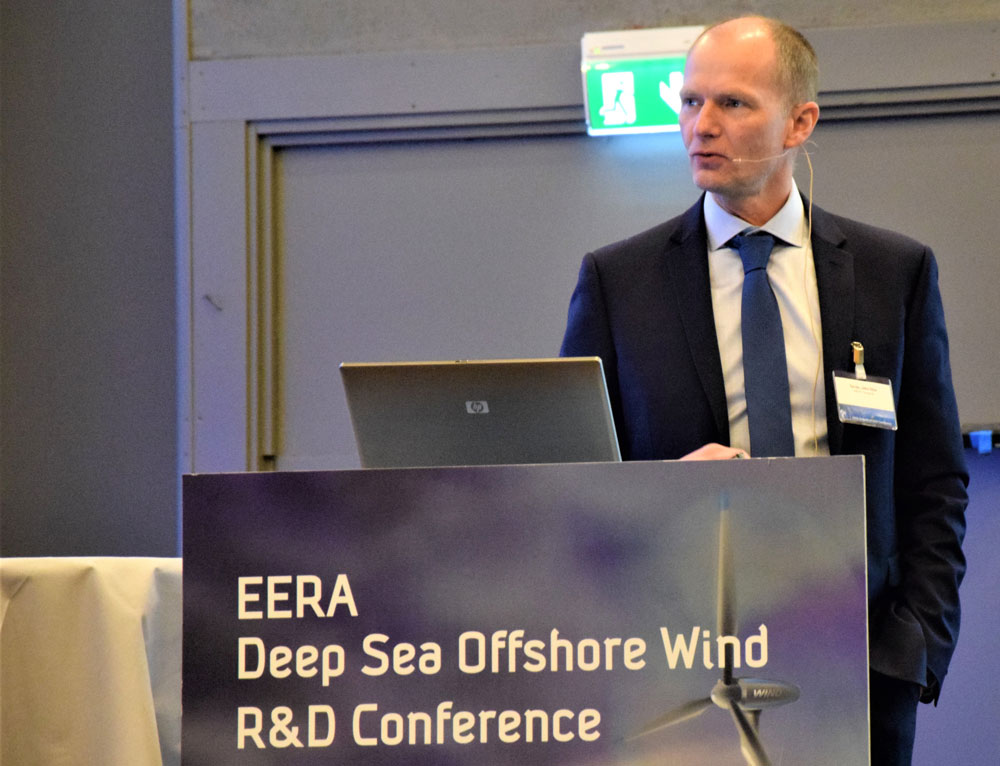
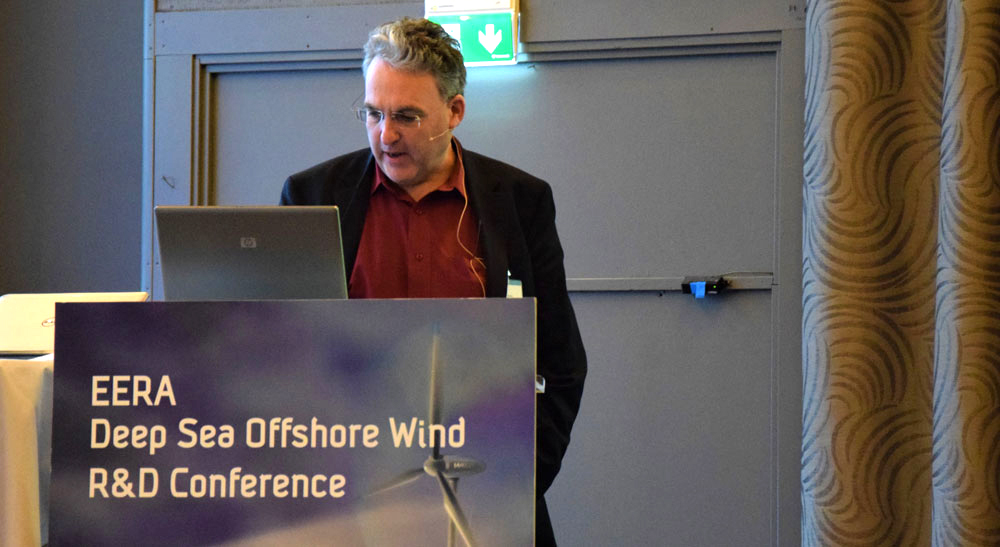
Progress in offshore wind research and innovation, John Olav Tande, director NOWITECH
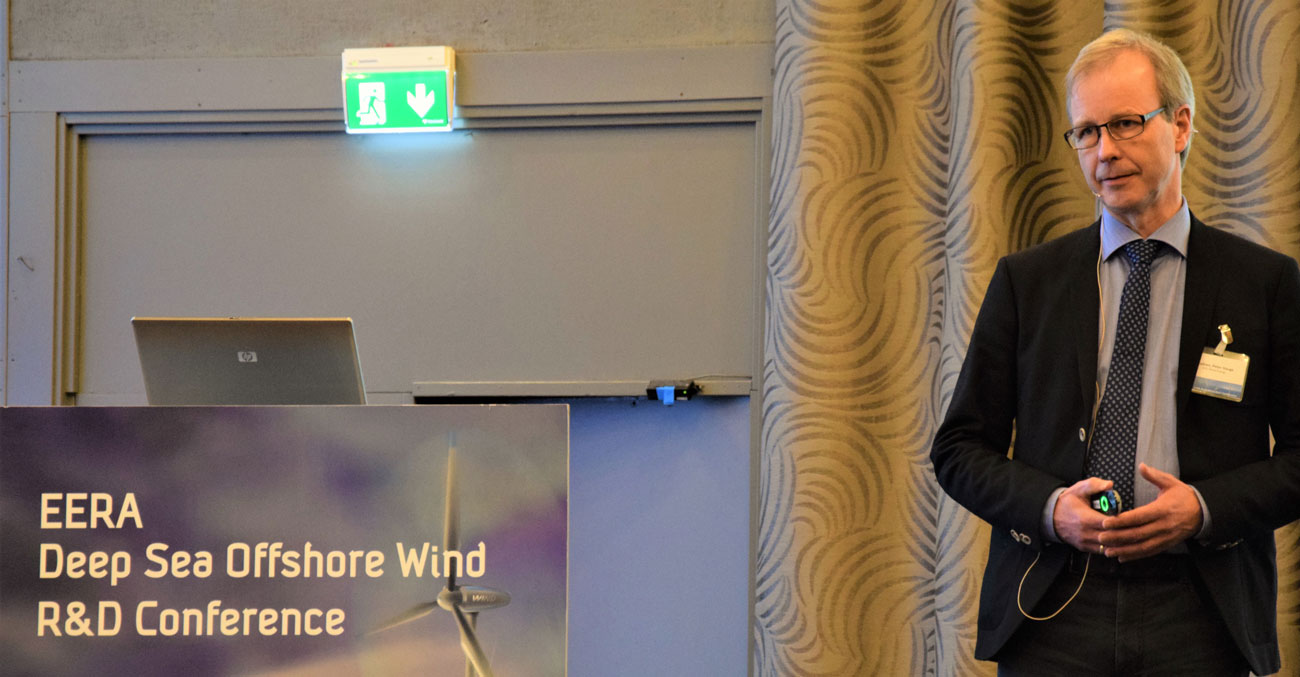
European wind research cooperation - Peter Hauge Madsen, DTU
European wind research cooperation – Peter Hauge Madsen, DTU
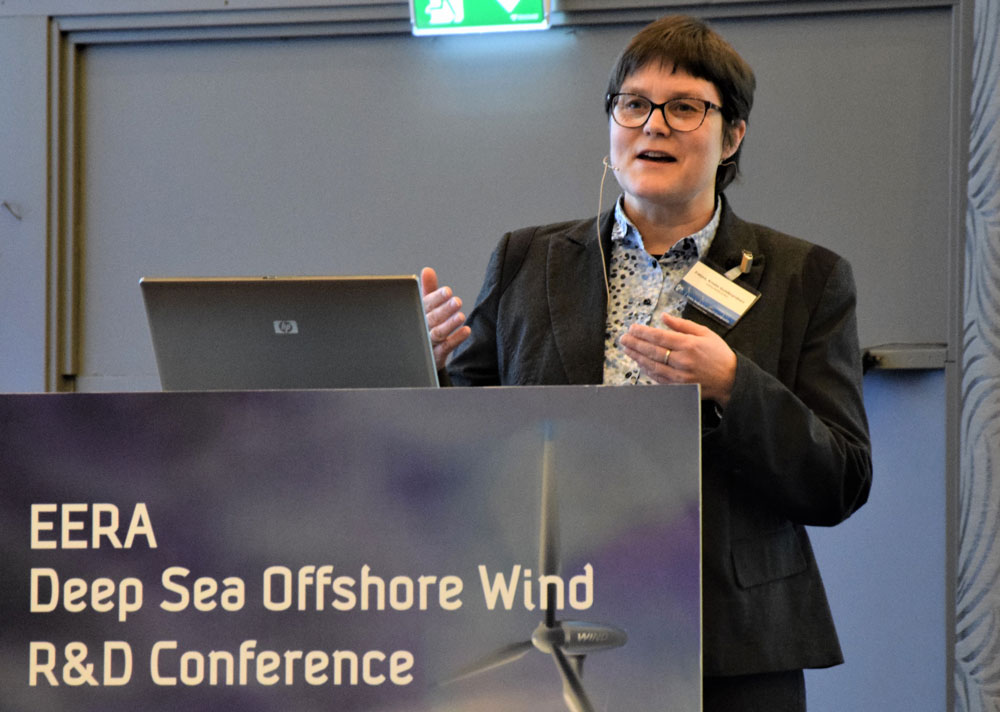
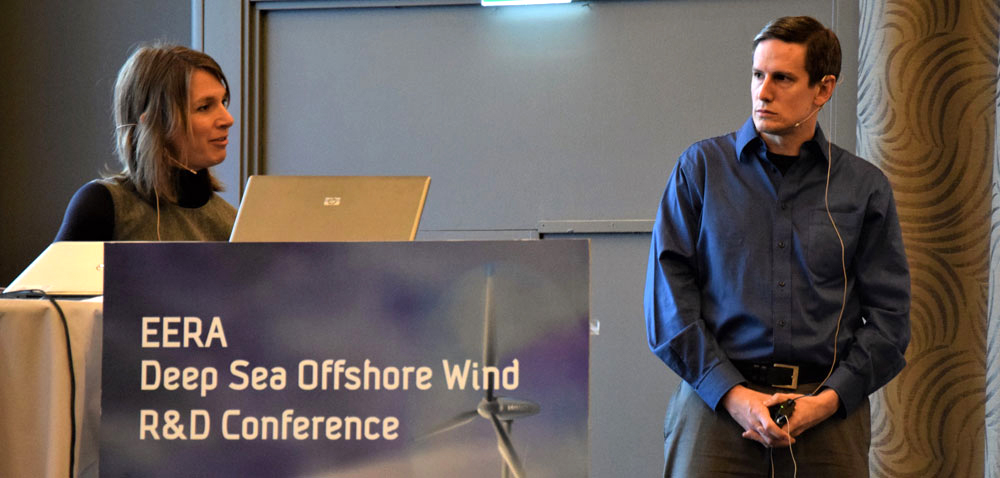
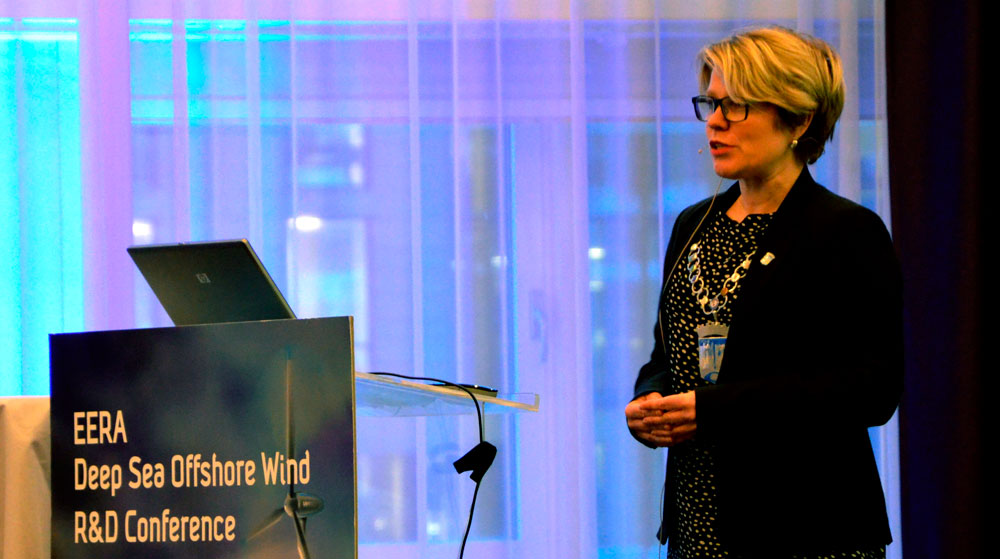
NORCOWE – highlights and future challenges, Kristin Guldbrandsen Frøysa, director NORCOWE
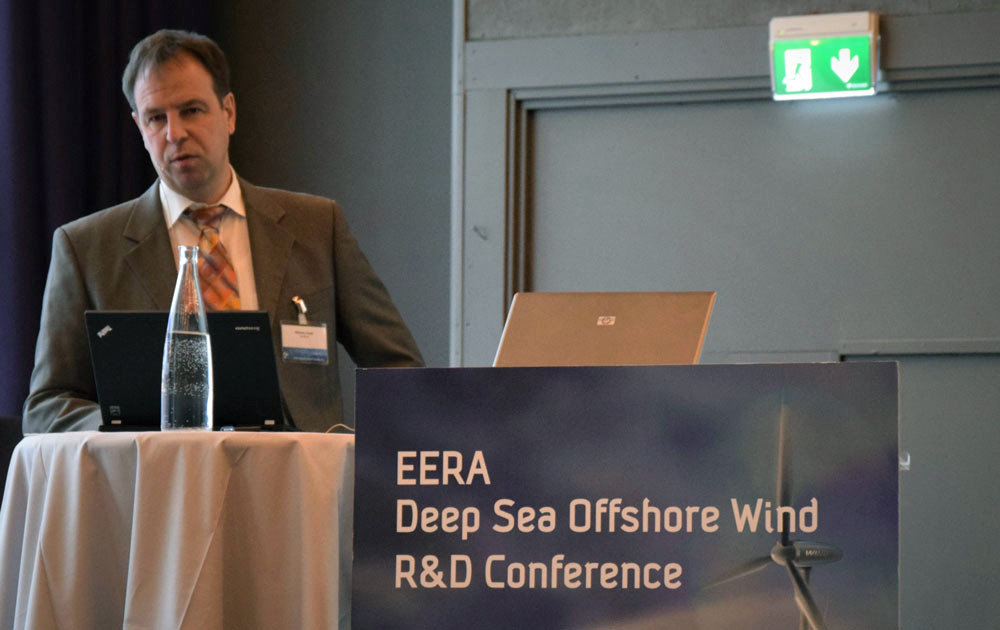
HyWind Scotland, Bjørn Johansen, Statoil

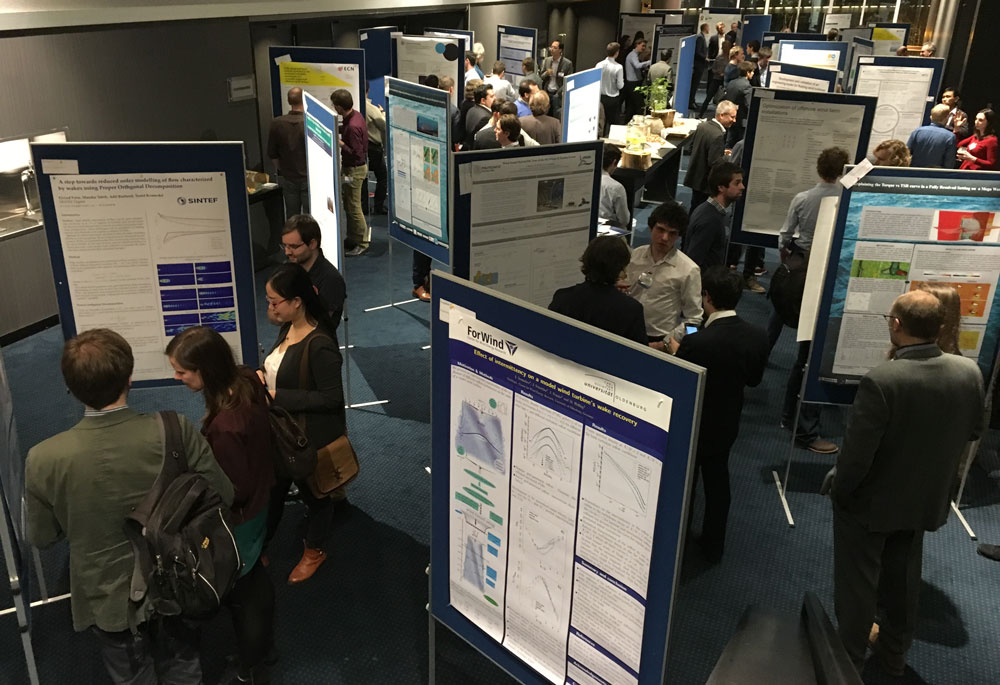
Poster session

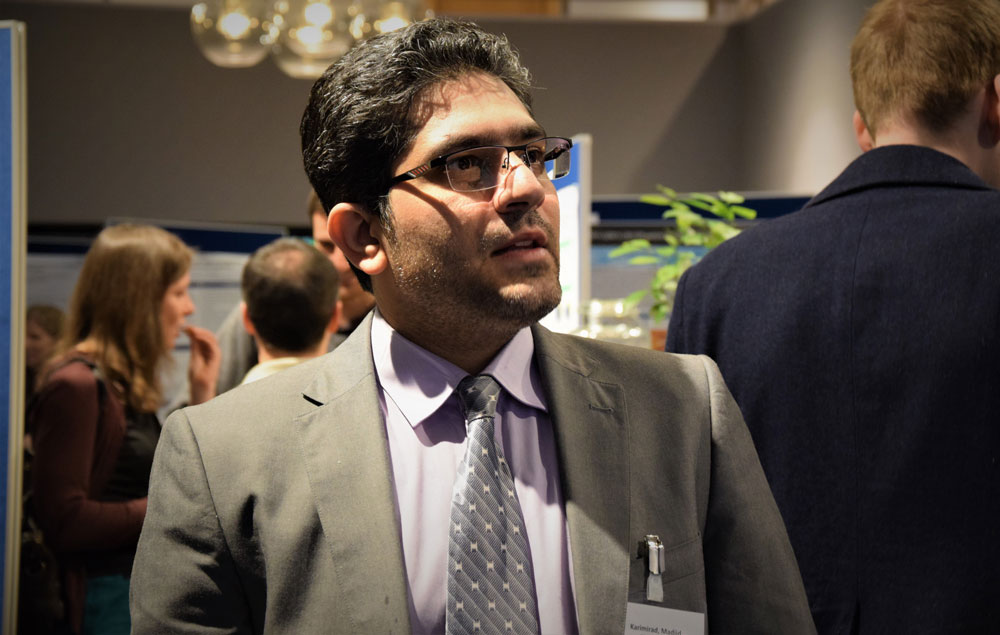
Poster-session-4526
Poster-session_0416
Poster-session_0472
Poster-session_0132

Closing session

Closing_0239
ETIP wind Strategic Research and Innovation Agenda, Aidan Cronin, Siemens Wind Power
Bringing trust to the Internet of Things – When valuable insights can be gained from data to support critical decisions in industry, issues such as the quality and integrity of the data has to be included in the risk picture, M.R. de Picciotto, S. George, DNV GL
A new approach for going offshore, Frank Richert, SkyWind

Best poster based on “Scientific Content”
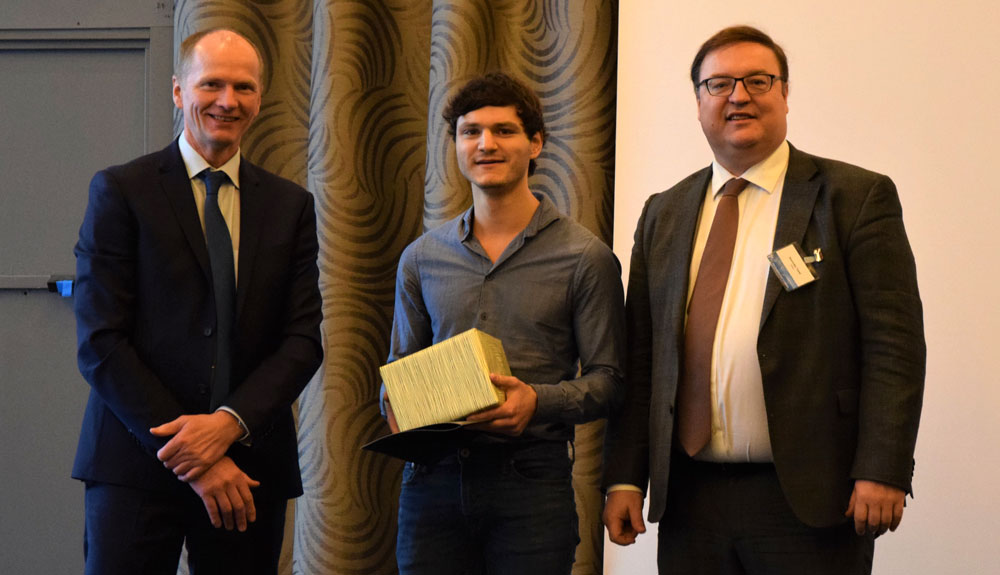
Optimization of data acquisition in wind turbines with data-driven conversion functions for sensor measurements, L. Colone, Maik Reder, Jannis Tautz-Weinert, DTU Denmark. The picture shows poster award winner (L. Colone, middle) together with conference chair John Olav Tande, SINTEF (left) and co-chair prof. Trond Kvamsdal (NTNU).
Award1

Best poster based on “best communication”
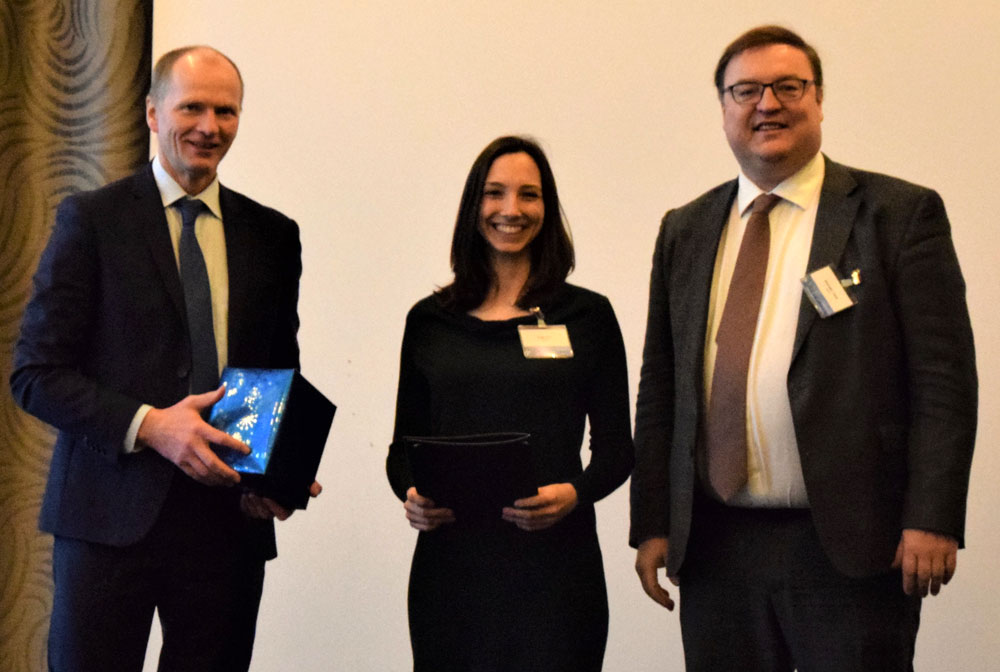
New Foundation Models for Integrated Analyses of Offshore Wind Turbines, A.M. Page, NTNU. The picture shows poster award winner (A.M. Page, middle) together with conference chair John Olav Tande, SINTEF (left) and co-chair prof. Trond Kvamsdal (NTNU).
Award2

Full program for the conference

Photos: SINTEF/Zahra Rahimi

Comments

No comments yet. Be the first to comment!

Leave a comment Cancel reply

Your email address will not be published. Required fields are marked *

More about Energy

How much can energy-efficient voyage planning save? Evidence from 11 months of North Atlantic data

Author Image
Author Image
2 forfattere
Infographic showing the flow of thermal energy storage (TES) from surplus heat or cold to end users. On the left, red and blue thermometer icons represent surplus heat and cooling, accompanied by the text “Surplus heat or cold – Captured and stored for when it’s needed.” In the centre, a large panel titled “Thermal Energy Storage (TES)” presents three storage technologies. The top section, “Sensible TES,” shows a container with a thermometer and the text “Stores heat in one single phase.” The middle section, “Latent TES,” shows a water droplet and snowflake connected by circular arrows, with the text “Stores heat through phase change.” The bottom section, “Thermochemical TES,” shows two connected coloured circles that separate and reconnect, illustrating a reversible reaction, with the text “Stores heat through reversible reactions.” A large pale arrow-shaped wedge points from the TES panel toward the right side of the figure. On the right, three application areas are shown in separate boxes with icons: industrial processes, buildings, and data centres. The layout conveys that surplus heat or cold can be stored using sensible, latent, or thermochemical TES technologies and later supplied to industrial facilities, buildings, and data centres.

Thermal energy storage is already commercial  

Jorge Salgado Beceiro
Research Manager

Burning ammonia cleanly: How timing changes everything 

Author Image
Author Image
2 forfattere

Technology for a better society

  • About this blog
  • How to write a science blog
  • Sign up for our newsletter
  • News from NTNU and SINTEF
  • Facebook
Gå til SINTEF.no
SINTEF logo
© 2026 SINTEF Foundation
Privacy Editorial Press contacts Website by Headspin