Skip to content

SINTEF Blog Gå til forsiden

  • Energy
  • Ocean
  • Digital
  • Health
  • Industry
  • Climate and environment
  • Building
  • Society
  • EN
  • NO
Energy Society

COP21: Norway as Europe’s battery

author
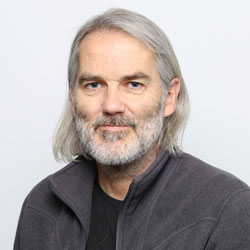
Petter Støa
Research Director
Published: 10. Dec 2015 | Last edited: 16. Apr 2025
2 min. reading
Comments (0)

COP21 is the annual UN conference on climate and climate change. This year’s COP meeting is in Paris from 30th November to 11th December. COP brings together leaders from around the world to achieve a legally binding agreement on the climate, with the aim to keeping global warming below 2°C. SINTEF’s Executive Vice President Sustainability, Nils Røkke will attend COP21 from 7th to 10th December. In three COP21 mini-blogs – we will present three climate technology cases where Norway has a lot to offer: Storing carbon dioxide under the North Sea, Norway as Europe’s battery and wind farms at sea along the Norwegian coast.

What: A large proportion of Europe’s energy mix comes from fossil fuels, which must be replaced, and nuclear energy, which partly will be phased out, in favour of renewable energy. Norway can contribute to this shift by increasing its own renewable capacity and by providing hydropower to balance out the increase in variable production from solar and wind energy from Europe.

Global climate benefits: Increasing Europe’s share of renewable energy with Norwegian hydropower will lower Europe’s CO2 emissions, without loss of security of supply. 

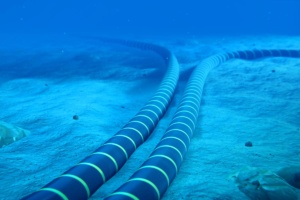
Is the technology ready? The market must value balancing, while transmission capacity between Scandinavia and Europe must be increased. The market has been tested in the Nordic countries, and the cable technology is available. Hydropower is a renewable energy source that developing countries need, both in terms of capacity and as the backbone of a distributed generation system.

Why increased renewable capacity and power balancing are important for Norway:

  • Norway can actively contribute to lowering CO2 emissions in Europe and worldwide.
  • Excess energy from the Norwegian system can be sold to Europe or used to create new Norwegian green industries.
  • Norway has experience in the design, development and implementation of power markets, including balancing power.
  • Norway has an industrial sector that can provide expertise in power exchange markets and transmission technology.
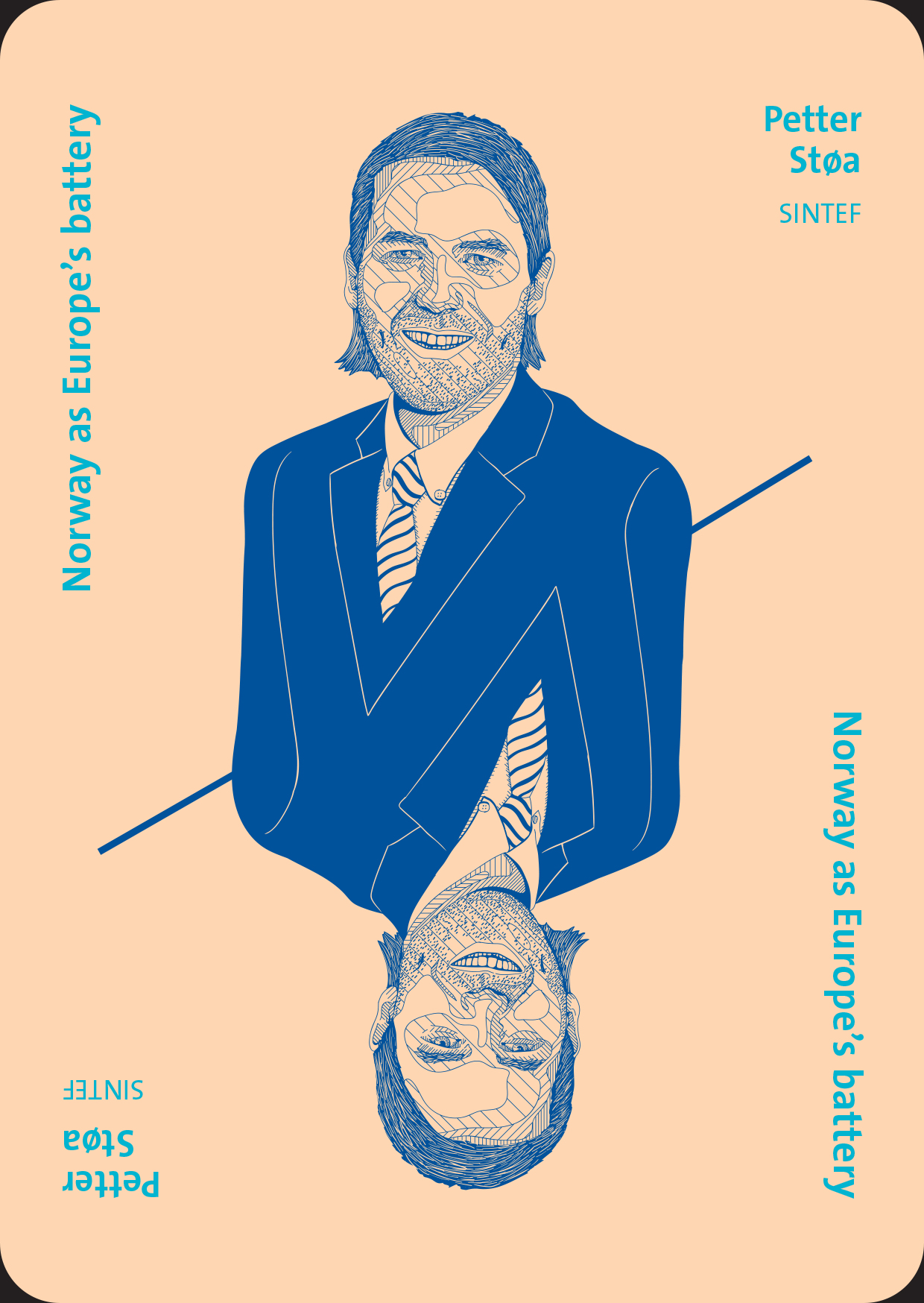
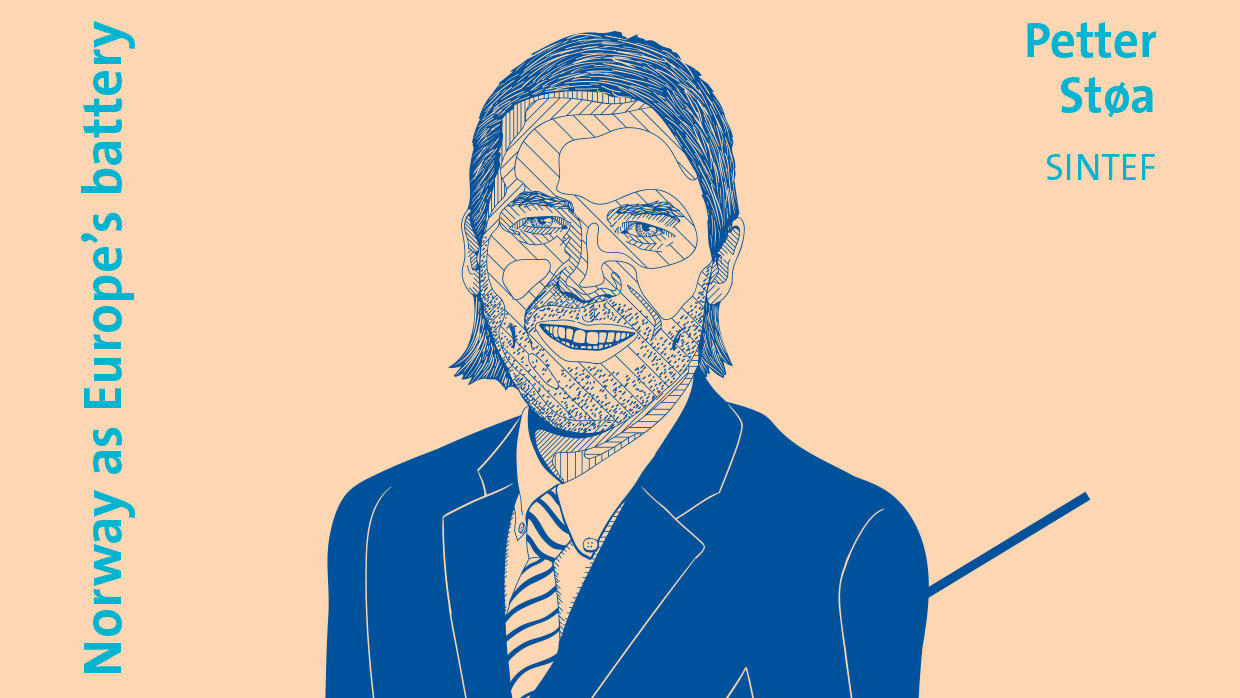
Norway as Europe’s battery - Petter Støa
Norway as Europe’s battery – Petter Støa

Comments

No comments yet. Be the first to comment!

Leave a comment Cancel reply

Your email address will not be published. Required fields are marked *

More about Energy

How much can energy-efficient voyage planning save? Evidence from 11 months of North Atlantic data

Author Image
Author Image
2 forfattere
Infographic showing the flow of thermal energy storage (TES) from surplus heat or cold to end users. On the left, red and blue thermometer icons represent surplus heat and cooling, accompanied by the text “Surplus heat or cold – Captured and stored for when it’s needed.” In the centre, a large panel titled “Thermal Energy Storage (TES)” presents three storage technologies. The top section, “Sensible TES,” shows a container with a thermometer and the text “Stores heat in one single phase.” The middle section, “Latent TES,” shows a water droplet and snowflake connected by circular arrows, with the text “Stores heat through phase change.” The bottom section, “Thermochemical TES,” shows two connected coloured circles that separate and reconnect, illustrating a reversible reaction, with the text “Stores heat through reversible reactions.” A large pale arrow-shaped wedge points from the TES panel toward the right side of the figure. On the right, three application areas are shown in separate boxes with icons: industrial processes, buildings, and data centres. The layout conveys that surplus heat or cold can be stored using sensible, latent, or thermochemical TES technologies and later supplied to industrial facilities, buildings, and data centres.

Thermal energy storage is already commercial  

Jorge Salgado Beceiro
Research Manager

Burning ammonia cleanly: How timing changes everything 

Author Image
Author Image
2 forfattere

Technology for a better society

  • About this blog
  • How to write a science blog
  • Sign up for our newsletter
  • News from NTNU and SINTEF
  • Facebook
Gå til SINTEF.no
SINTEF logo
© 2026 SINTEF Foundation
Privacy Editorial Press contacts Website by Headspin