
This blog with contributions from Sallie Greenberg (University of Illinois), Philip Ringrose (Statoil) and Odd Andersen (SINTEF).
Sharing of reference datasets from pioneering CO2 storage projects is essential to accelerate improved understanding, build capacity, reduce costs and minimize uncertainties associated with CO2 storage in deep geological formations.
The CO2 storage data consortium (CSDC) is an international network aiming to make available datasets on site geology as well as geophysical monitoring data, well data, reservoir data and models. In October 2017, a project to advance data sharing proposed by CSDC was awarded 7.15 million NOK in total by the US Department of Energy (USDOE) and the Norwegian Climit programme.
Build an international data sharing platform
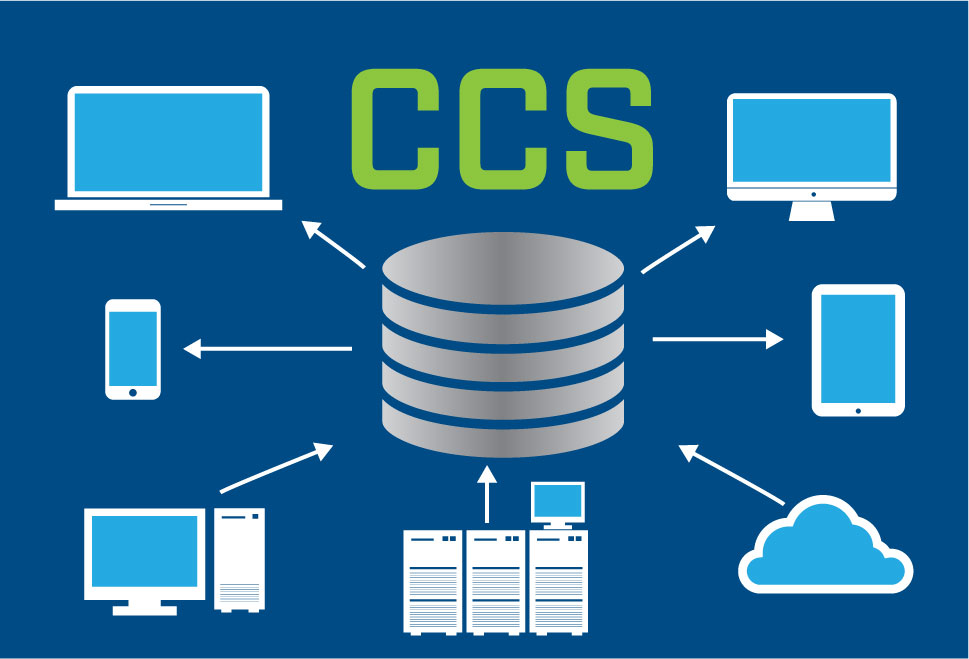
The goal of the new project is to build and operate an international platform for CO2 storage data exchange. The CSDC is designed to promote research and technology development based on experience gained from demonstration projects and thus accelerate the deployment of CCS. To achieve this, the CSDC will establish a web-based, digital infrastructure as well as community activities. In addition to Climit/Gassnova and USDOE, the current partners of CSDC are Statoil, University of Illinois, IEAGHG and SINTEF. The consortium is linked to and coordinated with the Norwegian CCS Research Centre (NCCS).
More specifically, the objectives of the Consortium are to:
- Provide simple measures for preparing and sharing CO2 storage datasets from full-scale projects and field tests, lowering the threshold for data owners to share with the CCS community within agreed terms of use
- Make it easy to find, access and use well-documented datasets from pioneering CO2 storage projects relevant for addressing technology gaps and reducing uncertainty
- Stimulate sharing of results from research using the datasets
- Promote networking and research collaborations
Advance research and capacity building within CCS
Access to reference CO2 storage datasets and learnings from using the datasets will advance research and capacity building within CCS. Dataset access benefits the research community, industry, and public CCS stakeholders. Quality assured data is also crucial for developing and validating commercial models, technology and tools for safe and cost-efficient CO2 storage.
The CSDC aims to develop datasets that have similar characteristics enabling comparison across projects as well as a specific infrastructure for sharing CO2 storage datasets from industry projects, pilots and field tests.
The first proposed datasets available through the CSDC will focus on existing projects where site data is being used for advancing the knowledge and technology essential for operating and monitoring CO2 storage sites. These datasets are likely to include:
- Injection well datasets (e.g. Sleipner, Illinois Basin – Decatur Project (IBDP))
- CO2 flow modelling datasets (e.g. Sleipner),
- Geomechanical response datasets (e.g. In Salah, IBDP).
In addition, the CSDC expects to share data gathered as part of new and emerging storage projects, such as the planned Norwegian full-scale CCS project.
Ambition to expand
The idea for the CSDC emerged in 2015 between US-Norway researchers. There continues to be an explicit ambition to expand the network with new participants and more countries. Expanding the CSDC is a critical objective which includes development of new and relevant datasets and securing the financial basis for operation beyond the awarded three-years project period.
With the support of IEAGHG, CSDC will give webinars to present information about the initiative, discuss required functionality, relevant datasets and opportunities to participate. The first webinar takes place 24. May 2018.
Please, follow this link to sign up for the CSDC webinar.
A second webinar is planned for September 2018, and in October there will be opportunities for discussion as the project will be presented at GHGT-14 in Melbourne, Australia.
For questions, please contact the CSDC secretariat.









Comments
No comments yet. Be the first to comment!