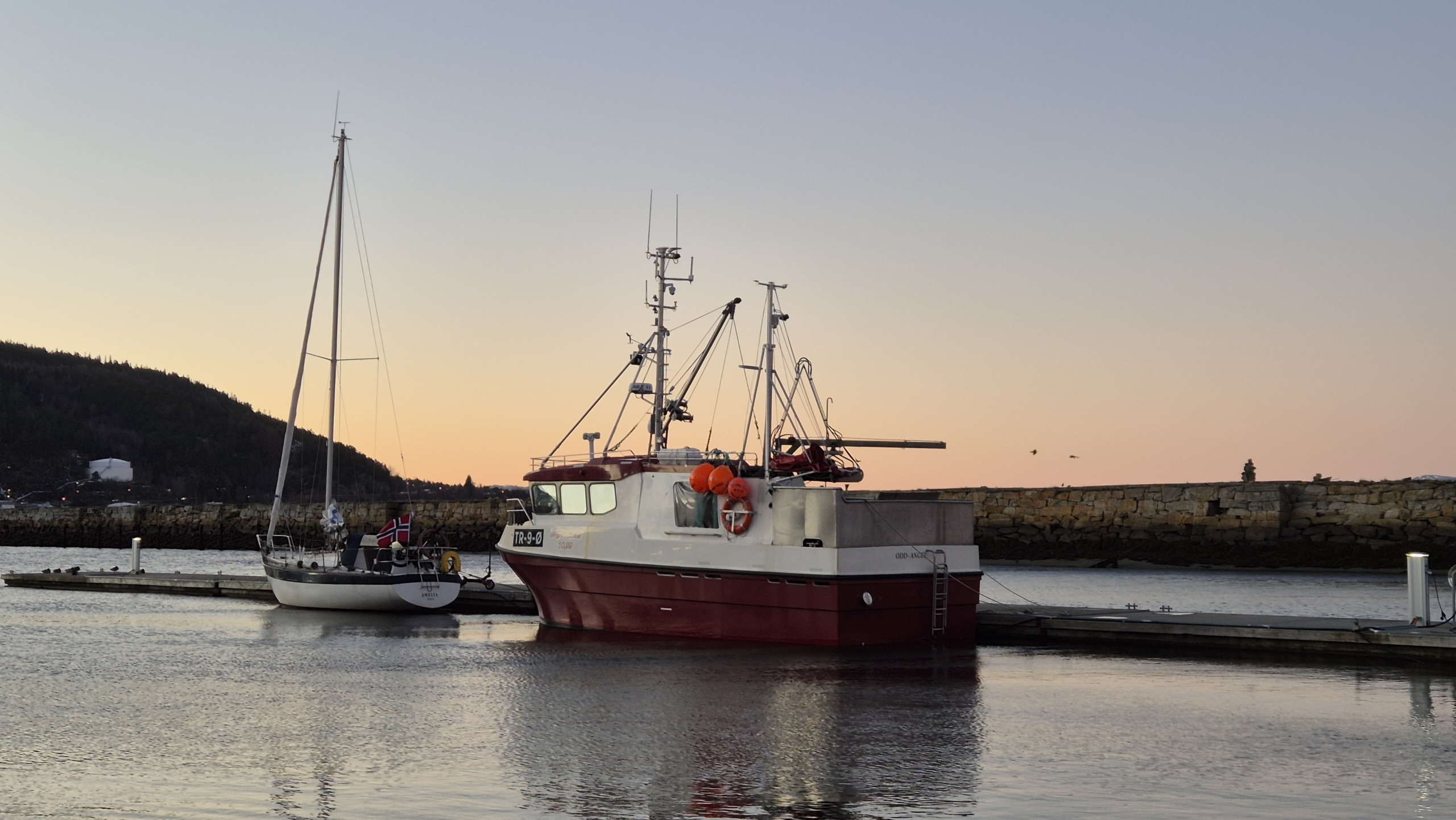

A large fleet of small vessels
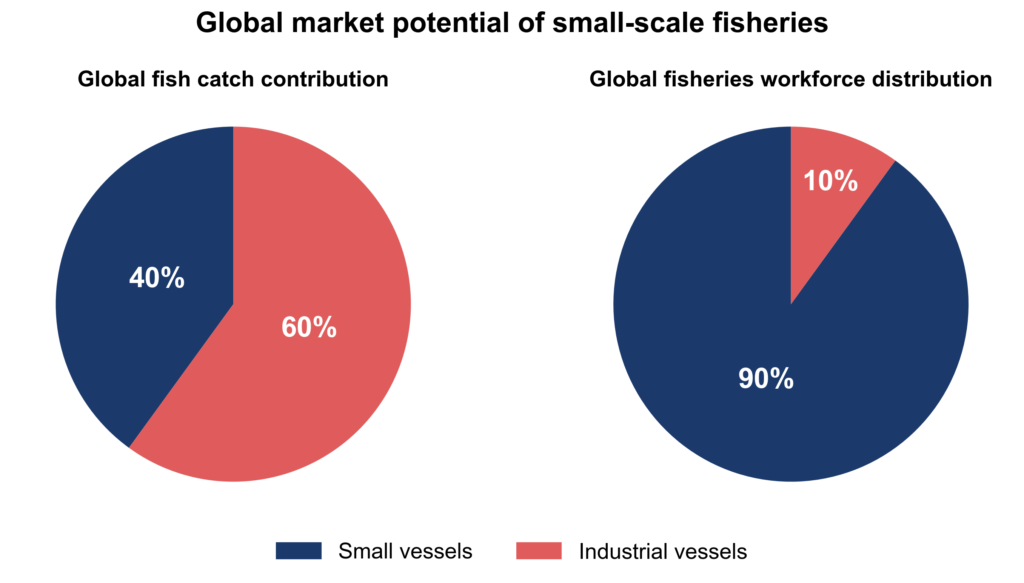
Small fishing vessels are easy to overlook. They are not the massive factory trawlers that dominate harbour panoramas, and they rarely make the news. But the numbers tell a different story: small vessels contribute around 40% of the global seafood catch and account for roughly 90% of all fisheries workers worldwide:
Up to 30% of the global fish catch may be lost or wasted due to a combination of factors, including inadequate handling and preservation. These losses can be particularly severe in warmer climates.
For many small vessels, the only option for cooling the product is ice, which can melt before the catch reaches shore (FAO, 2024).
Active cooling systems offer an alternative by continuously removing heat and maintaining a more stable temperature. One example is refrigerated seawater (RSW), in which mechanically chilled seawater is circulated around the catch.
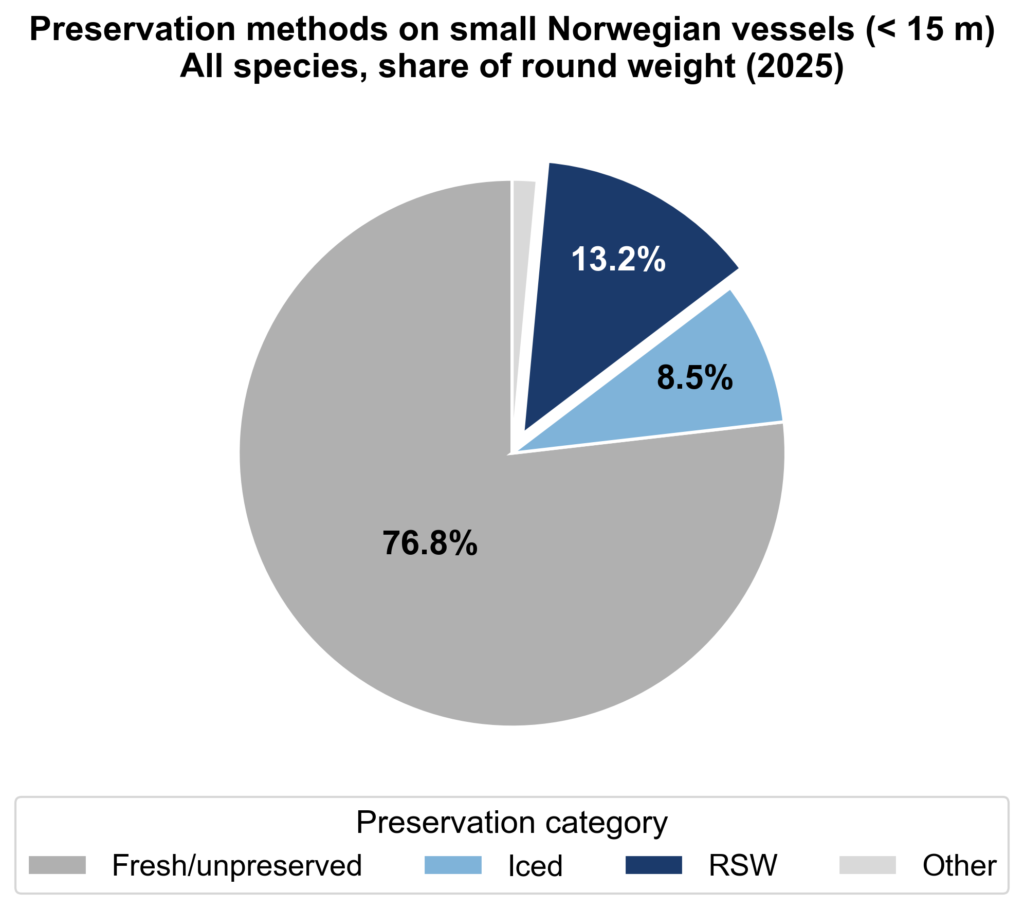
But active cooling is far from being the standard on smaller vessels. Norwegian fleet data illustrate the gap clearly. In 2025, most of the catch from small vessels (under 15 m) was landed fresh or unpreserved (76.8%). refrigerated seawater accounted for 13.2%, while 8.5% was iced and 1.5% used other preservation methods:
Although landing fish without active cooling may be sufficient for short fishing trips under Norway’s typically cold conditions, unusually warm periods increase the risk of quality deterioration. This vulnerability became particularly evident during the prolonged heatwave in July 2025. According to Grinde et al. (2025) the average summer temperature was 1.1°C above the 1991–2020 average, placing the summer among the ten warmest on record in Norway.
Why the refrigerant matters
A large share of the global fishing fleet still relies on R-22 in its refrigeration systems, a refrigerant that damages the ozone layer and has a high global warming potential. Regulations are tightening worldwide. Under the Montreal Protocol, even the extended deadlines for lower-income countries are running out, and the Kigali Amendment is pushing the remaining fleet away from synthetic HFCs as well.
CO₂, known in refrigeration as R-744, offers a natural alternative. It has negligible global warming potential, is non-flammable, and is available worldwide. It is already used in a growing number of refrigeration and heat pump systems.
The challenge is that CO₂ systems operate at significantly higher pressures than conventional ones, which means the engineering must be done carefully. Their efficiency also decreases at high ambient temperatures, exactly the conditions where reliable cooling is most needed. This makes performance under warm conditions a key question for CO₂-based systems.
From idea to reality
We at SINTEF Ocean have been working together with NTNU, HAV Kjølesystemer AS and Cadio AS to develop compact CO₂-based refrigerated seawater systems specifically for small fishing vessels.
Three systems have been built so far. Two have been running in the laboratory at SINTEF Ocean in Trondheim and a third has already been installed and commissioned on a fishing vessel, the Odd-Angel.
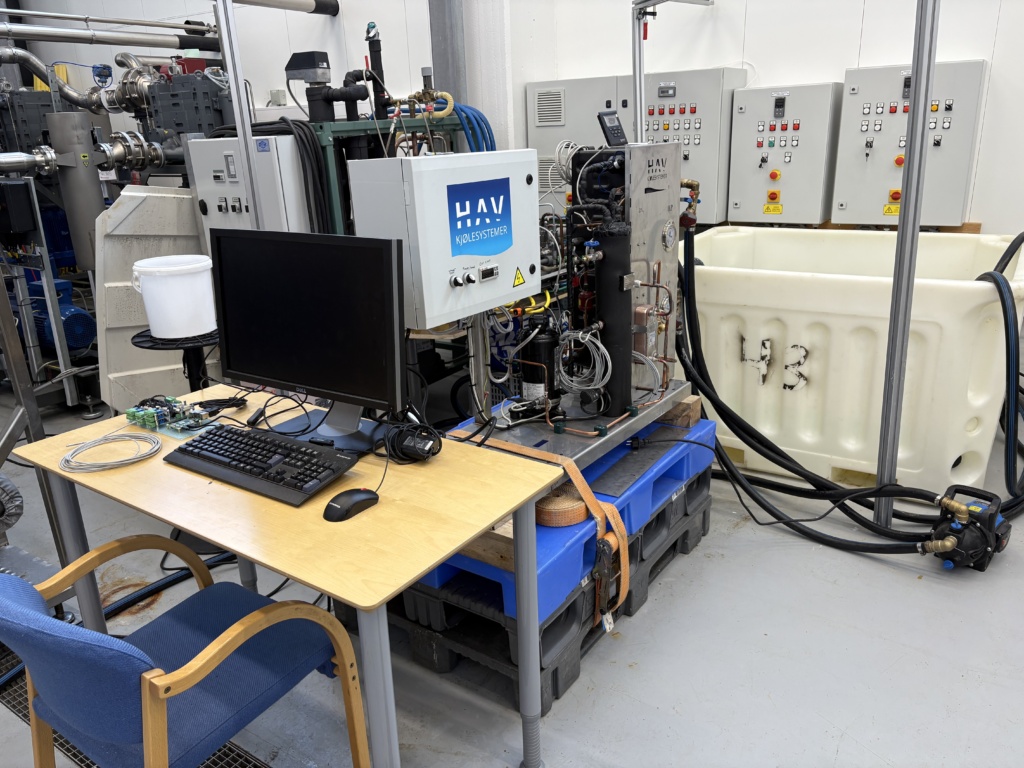
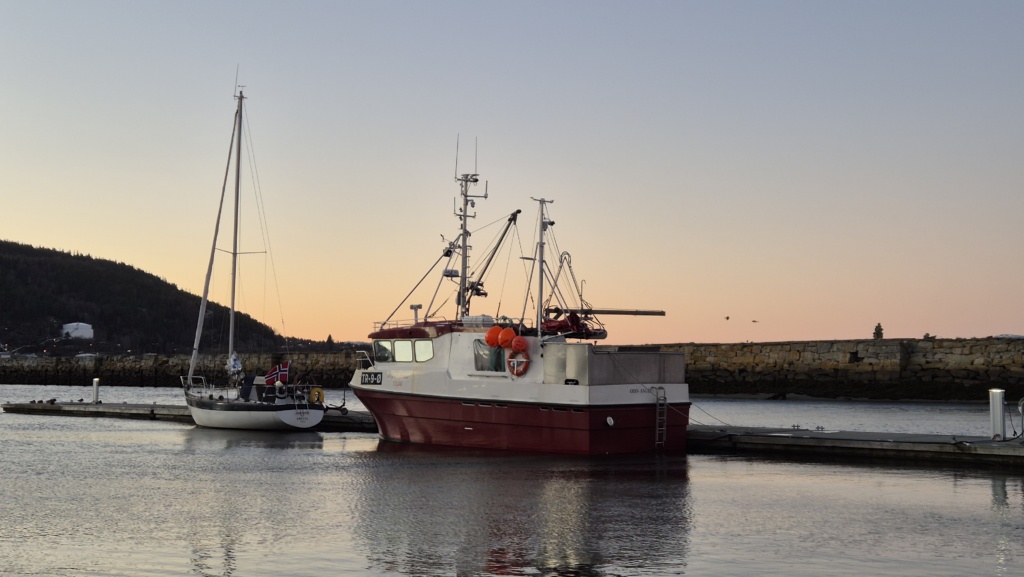
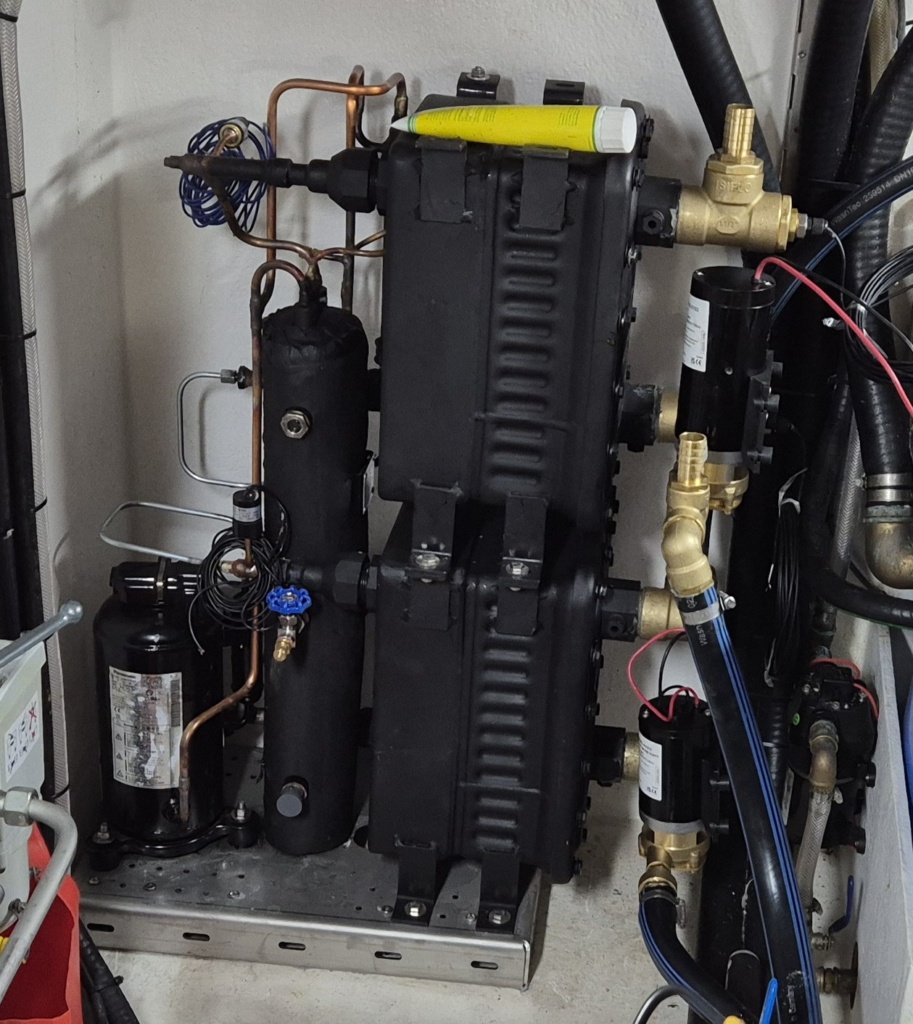
The two laboratory systems allow controlled testing under conditions that simulate real operation at sea: Changing seawater temperatures, varying loads, and test different components. One focus area is performance under warmer seawater temperatures, relevant both for Norwegian summer conditions and for vessels operating in warmer waters internationally.
To understand the systems in depth, we combine experimental testing with numerical modelling. Laboratory measurements show how the real system behaves when operating conditions change, while the numerical model lets us evaluate design improvements and modifications before committing to physical changes on the test rig. (Reimer et al., 2025)
Promising results so far
Results from the laboratory tests confirm that RSW systems using CO₂ are a viable solution for small fishing vessels, provided that the system is designed for the specific conditions it will encounter at sea.
Both efficiency and reliability depend heavily on appropriate component matching and operating conditions.
For this reason, we are continuing our efforts to improve system efficiency and optimise the system layout to meet the needs of vessel owners worldwide (Reimer et al., 2026).
For vessel owners, better onboard cooling means less spoil and higher quality at landing. For the seafood industry, it supports a more reliable and efficient supply chain.
Small fishing vessels are a backbone of coastal fisheries around the world. Giving them access to compact, reliable and climate-friendly cooling technology is not a narrow technical problem. It is part of a broader question about how to make seafood production sustainable from the moment of the catch.
Interested in learning more?
- Reimer, A., et al. (2025). Application of CO₂ refrigeration systems on small fishing vessels: Experimental laboratory and simulation results. 1st IIR International Conference on Refrigeration Adapting to Rising Temperatures.
- Reimer, A., et al. (2026). Transcritical CO₂ refrigeration system with economizer for small fishing vessels. Proceedings of the 9th IIR International Conference on Sustainability and the Cold Chain, 111–119.
- FAO (2024): The State of World Fisheries and Aquaculture 2024: Blue Transformation in Action. Rome: Food and Agriculture Organization of the United Nations
- Grinde, L., Mamen, J., Tunheim, K., & Aaboe, S. (2025). Været i Norge: Klimatologisk månedsoversikt – Sommersesongen 2025 (MET info No. 16/2025). Meteorologisk institutt.
- Norwegian Directorate of Fisheries (2025). Catch data (landing note) linked with vessel data [Dataset]. Fiskeridirektoratet. Retrieved July 6, 2026.







Comments
No comments yet. Be the first to comment!