


How do we know whether a resilience solution really works?
Across Europe, climate-related and other hazards are placing growing pressure on communities, infrastructure and emergency services. New digital tools, preparedness methods and policies can help, but developing a solution is only the first step. The harder question is whether people can understand it, use it and integrate it into real preparedness and response.
This was a central challenge in RESILIAGE, a three-year European research project exploring how communities can strengthen disaster resilience by combining innovation with local knowledge, participation, and cultural and natural heritage. SINTEF led the project’s validation work: turning promising ideas into solutions tested with the people expected to use them.
The aim was deliberately practical: find out what works, what needs to change, and what has a realistic path to adoption.
Resilience cannot be validated from behind a desk
RESILIAGE organised five Community Resilience Laboratories, or CORE Labs, in Norway, Portugal, Belgium, Greece and Türkiye. Together they represented different local contexts and hazard profiles, including wildfires, heatwaves, earthquakes, floods and landslides.
Instead of inviting stakeholders to evaluate finished products at the end, the project used an iterative process. An initial round asked whether the project was developing the right solutions and captured improvement needs. Feedback then fed directly into refinement before a final round assessed more mature solutions under realistic, scenario-based conditions.
The methodology was grounded in two complementary principles: Participatory Action Research (PAR)1 and humanity-centred design2. PAR treats stakeholders not simply as research participants, but as active contributors to a cycle of reflection, action and improvement. Humanity-centred design broadens the focus beyond an individual user to the wider social, organisational and environmental system in which a solution must work. In RESILIAGE, this meant that the CORE Labs acted both as co-creators and end users: feedback from real stakeholders shaped successive versions of the solutions, while a common validation matrix kept criteria, scenarios and assessment dimensions comparable across sites.
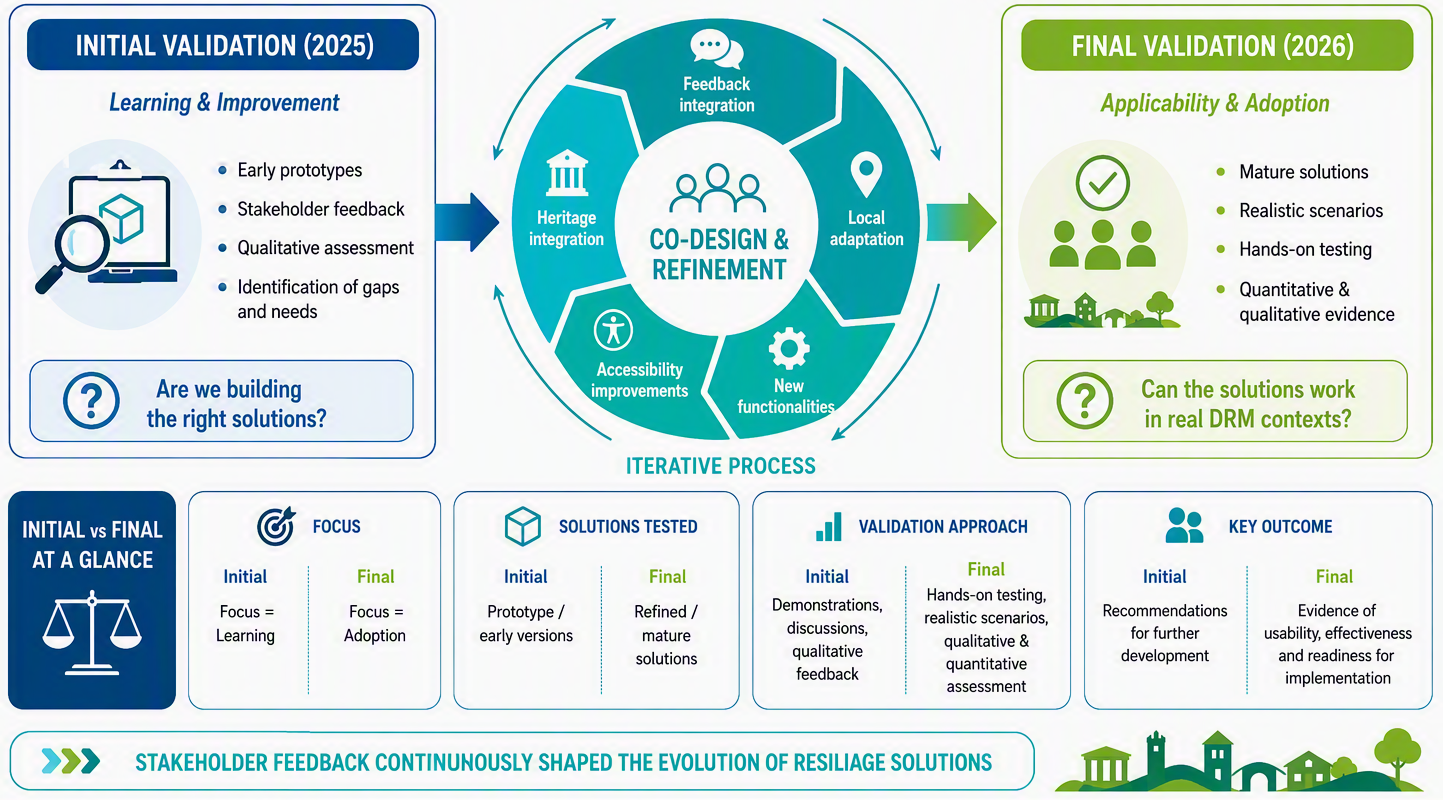
Figure 1. The RESILIAGE validation journey: stakeholder feedback from the initial validation informed iterative refinement before solutions were tested again under more realistic conditions.
Across the five CORE Labs, more than 150 stakeholders took part in the final validation exercises, including citizens, first responders, public authorities and external evaluators. They tested digital tools, soft solutions and training modules, and assessed their usability, applicability and adoption potential.
This matters because a tool can look convincing in a research setting and still fail where it counts: in an organisation with existing routines, under time pressure, in a local language, or in a community with different needs and resources.
The most important result was not a tool
RESILIAGE produced digital tools, training resources, preparedness approaches and guidance. But the validation work reinforced a broader lesson: technology is an enabler of resilience, not resilience itself.
What repeatedly mattered was the human and social context around the solution: local knowledge, trusted relationships, participation, collective memory and clear responsibilities. The project therefore treated validation as more than a technical test. It examined the conditions that make a solution understandable, relevant and usable in practice.
The CORE Labs made this visible in very concrete ways. In Trondheim, for example, MultiWarn, an early warning system delivering timely disaster alerts and facilitating coordinated responses, was assessed against an already trusted and widely used national weather service. Participants questioned whether a new platform offered enough added value to change established routines, and even terminology mattered: a label such as ‘blizzard’ was less intuitive locally than ‘snowstorm’. By contrast, the Trondheim Preparedness Toolkit, designed to support resilience against cold-weather hazards, river flooding, and extreme winter storms, was valued precisely because it could be adapted to everyday needs: stakeholder feedback led to Norwegian-language material, first-aid and CPR guidance, and content for students, expats and people with limited storage or resources. The lesson was not that digital tools matter less, but that adoption depends on how well a solution fits existing practices, language, trust and everyday constraints.
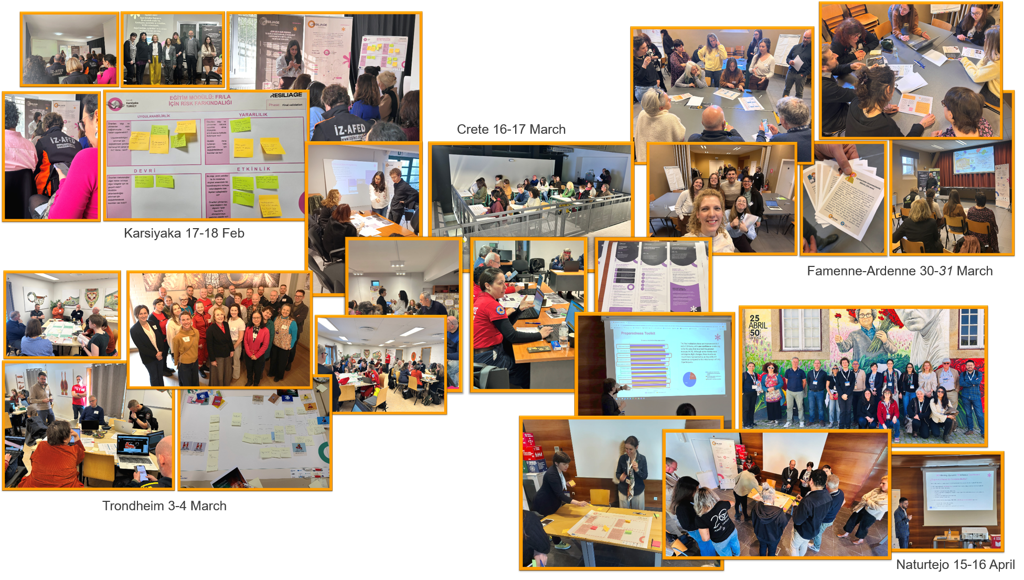
Figure 2. Final validation across the five CORE Labs: stakeholders tested RESILIAGE digital tools, soft solutions and training modules through hands-on, scenario-based activities and group discussion.
That distinction is important. Better forecasts, platforms and data can support disaster risk management, but communities also need ways to share knowledge, organise themselves and act together before, during and after a crisis.
What if heritage is part of the resilience infrastructure?
One of RESILIAGE’s most distinctive ideas was to investigate cultural and natural heritage not only as something that can be damaged by disasters, but as something that can help communities prepare, adapt and recover.
Across all five CORE Labs, the project validated “Heritage Drivers”: local traditions, practices, landscapes, knowledge and social activities that communities recognise as valuable and that can contribute to resilience. Depending on the place, these included environmental stewardship and agricultural knowledge, community events, social networks and strong place-based identities.
The examples were deliberately local. In Trondheim, stakeholders highlighted “friluftsliv”, maritime knowledge from the Trondheimsfjord and the dense wooden neighbourhood of Bakklandet. These are very different forms of heritage, yet each can support resilience: outdoor and maritime practices build familiarity with local conditions, while Bakklandet makes the connection between heritage protection and urban fire preparedness tangible. In Naturtejo, Portugal, the link was different again. Traditional land-management knowledge, village initiatives such as “Condomínios de Aldeia”, and historic village centres were discussed in relation to wildfire preparedness. Church squares and historic centres, for instance, can be more than heritage settings: local stakeholders recognised them as potential gathering points during wildfire emergencies.
Crete offered another perspective. Agricultural practices, food traditions, foraging, trails, forests and community gatherings were valued as ways of transmitting environmental knowledge across generations. Here, heritage contributes less as a single asset and more as a living system of knowledge, relationships and routines that helps people understand their landscape and maintain collective capacity.

Figure 3. Heritage is place-specific and multidimensional: examples of cultural narratives, natural landscapes and built heritage connected to the RESILIAGE CORE Labs.
Across the CORE Labs, these examples pointed to the same broader pattern: heritage can support preparedness by strengthening social cohesion, keeping environmental and practical knowledge alive, increasing awareness of local risks and reinforcing the connection between people and place.
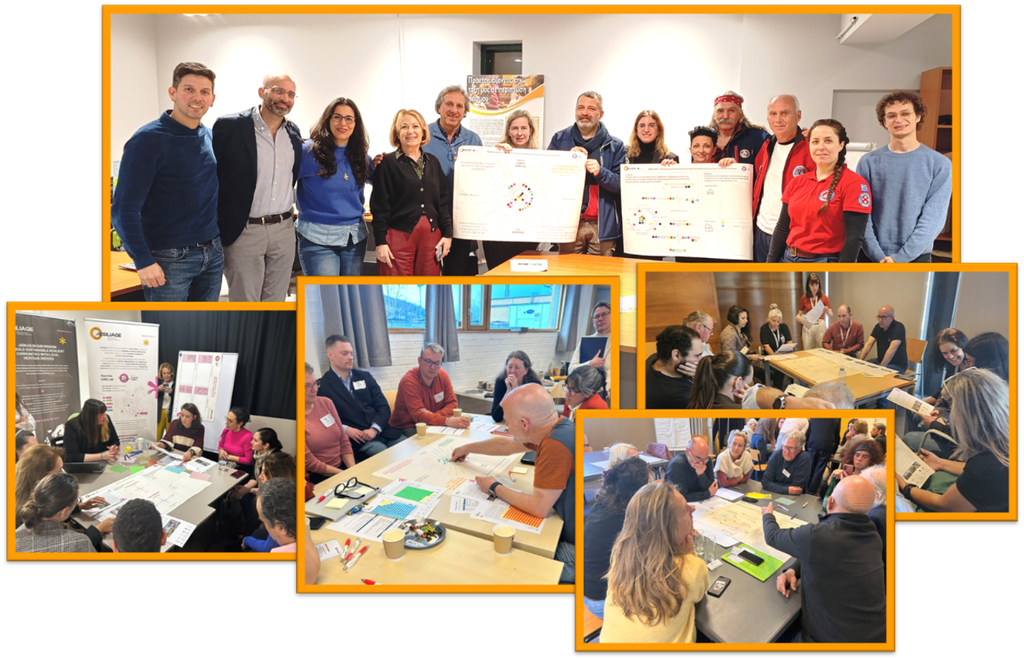
Figure 4. Heritage Drivers in practice: participatory workshops helped stakeholders identify and assess how local knowledge, practices and places can contribute to preparedness and community resilience.
A simple way of putting it is: Heritage is what a community recognises as valuable enough to carry into the future. Resilience is also about making sure that what matters to a community is still there after a crisis.
From feedback to evidence for adoption
The final validation was designed to do more than collect opinions. SINTEF and the RESILIAGE partners compared initial and final results, assessed the maturity of digital tools, prioritised preparedness recommendations and identified realistic pathways for future uptake.
The results were nuanced, as meaningful validation should be. Some measures improved, some remained stable and some became more critical as stakeholders tested solutions in more realistic settings. For example, participants reported a particularly strong increase in the statement that it would be difficult to prepare for or manage a crisis without the tested solution, while perceptions of effectiveness and unique added value became more demanding in the final round. Rather than hiding those differences, the process used them to distinguish promising concepts from solutions that are genuinely ready to fit local practice.
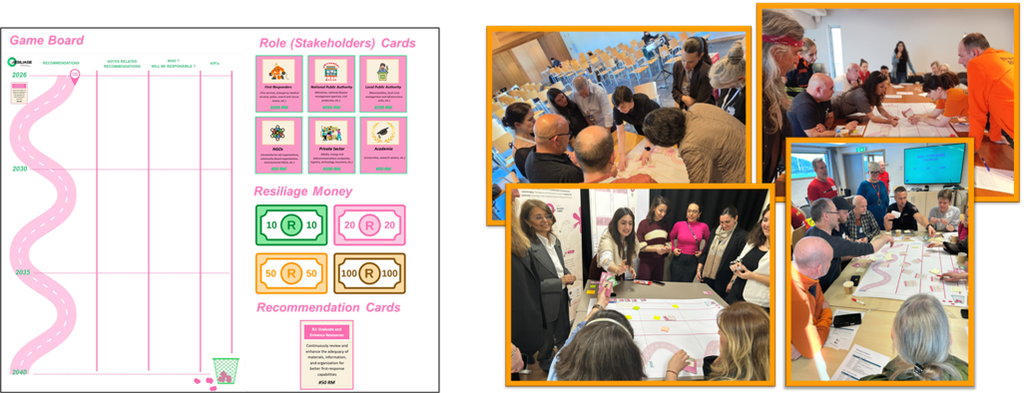
Figure 5. From discussion to action: RESI-PATH workshops enabled stakeholders to prioritise preparedness recommendations, responsibilities and implementation pathways.
Preparedness recommendations were also co-created and prioritised with stakeholders using the RESI-PATH participatory approach, helping connect project results to concrete responsibilities, implementation priorities and longer-term uptake.
What we take with us from RESILIAGE
For SINTEF, the project has demonstrated the value of combining a common validation framework with enough flexibility to respect local context. PAR and humanity-centred design provided the methodological backbone: participation created the feedback loops needed for learning and refinement, while the humanity-centred perspective kept attention on societal value, inclusion and the wider system around each solution. The same assessment logic could therefore be used across countries, while scenarios, languages and activities were adapted to the people, hazards and institutional settings involved.
Perhaps the strongest lesson is this: resilience cannot be delivered to communities as a finished product. It has to be developed with them.
That means involving people early, testing under realistic conditions, listening when a solution does not fit, and recognising resources that conventional disaster risk management can overlook, including culture, memory, local knowledge and social ties.
RESILIAGE ends with a practical message for future resilience research: do not only validate the technology. Validate the conditions that allow people to trust it, use it and make it part of their own preparedness.
Want to explore the research behind the work?
The publications below trace some of the research on community engagement, preparedness, resilience and heritage that informed and emerged from this work.
- Ragosta, M. Bolca, P. Bonomin, B. et al. (2026). From Heritage at Risk to Heritage for Resilience: A Participatory Cross-Case Validation across Five European Communities. International Conference on Heritage In Times Of Crises, 2–3 December 2026 · Politecnico Di Torino, Italy (under preparation).
- Ragosta, M., Hoel Fossen, M. (2025). Building Climate-Resilient Cities: Strengthening Urban Preparedness for Quick Clay Landslides in Trondheim. SBE 2025 Trondheim.
- Ragosta, M., Moens, L. (2023). From academia to society: How to empower citizens in times of crisis. Resilience Engineering Association Symposium.
- Ragosta, M. (2022). How technology can improve disaster management through better community engagement. Disaster Resilient Societies Cluster Conference.
- Ragosta, M. et al. (2021). Understanding the applicability of resilience practices: proposed approach in the investigation of solutions to support societal resilience. REA-NDM-FONCSI 2021.
Looking for the project result?
All RESILIAGE deliverables are available on the project website: https://resiliage.eu/
1) Reason, P. & Bradbury, H. (eds.) (2008). The SAGE Handbook of Action Research: Participative Inquiry and Practice. 2nd ed. SAGE Publications. ↑
2 Norman, D. A. (2023). Design for a Better World: Meaningful, Sustainable, Humanity Centered. MIT Press

SINTEF’s leading security research environment
Software, Engineering, Safety and Security
Our core expertise lies in software development and security. We develop software solutions and support our customers in their digital business processes. At the same time, we represent SINTEF’s leading security research environment, covering areas ranging from industrial safety, cybersecurity and health, safety and environment (HSE), to societal security.






Comments
No comments yet. Be the first to comment!