Skip to content

SINTEF Blog Gå til forsiden

  • Energy
  • Ocean
  • Digital
  • Health
  • Industry
  • Climate and environment
  • Building
  • Society
  • EN
  • NO
Energy Society

COP21: Storing carbon dioxide under the North Sea

author
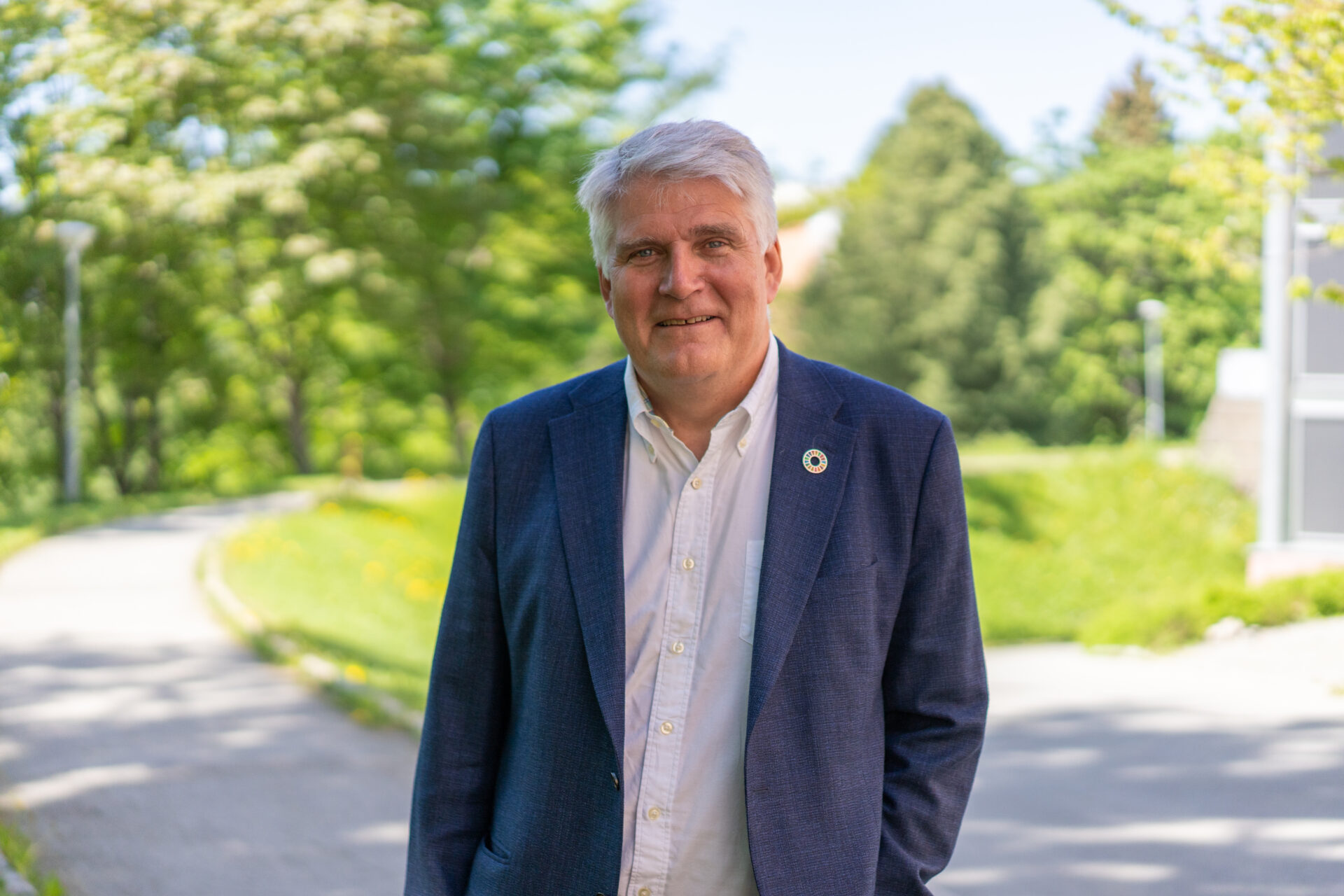
Nils Røkke
Executive Vice President Sustainability - SINTEF
Published: 7. Dec 2015 | Last edited: 16. Apr 2025
2 min. reading
Comments (1)

COP21 is the annual UN conference on climate and climate change. This year’s COP meeting is in Paris from 30th November to 11th December. COP brings together leaders from around the world to achieve a legally binding agreement on the climate, with the aim to keeping global warming below 2°C. SINTEF’s Executive Vice President Sustainability, Nils Røkke will attend COP21 from 7th to 10th December. In three COP21 mini-blogs – we will present three climate technology cases where Norway has a lot to offer: Storing carbon dioxide under the North Sea, Norway as Europe’s battery and wind farms at sea along the Norwegian coast.

What: Burning fossil fuels emits CO2; capturing carbon dioxide (CO2), transporting and storing it (CCS) can reduce the impact of these emissions.

Global climate benefits: The International Energy Agency believes CCS is the third-most important contribution to reducing CO2 emissions globally.

Is the technology ready? Yes, the technology for capture can be established as quickly as any other factory or power plant. The technology must still be optimized, and the most time-consuming step is qualifying CO2 storage sites which typically takes 6–10 years.

 Why CCS is important for Norway:

  • CCS can make Norwegian gas climate neutral and thus more attractive.
  • Norway is one of only a few countries in Europe that has CCS projects underway and thus can share experiences, expertise and professionals with the world.
  • Norway has some of the world’s leading research and educational institutions working on CCS.
  • Norway can capitalize on its North Sea storage and take an international leadership role, and become Europe’s CO2 bank.
  • By focusing on CCS as a mitigation strategy, Norway will help reduce global emissions, and will also create jobs in Norway.
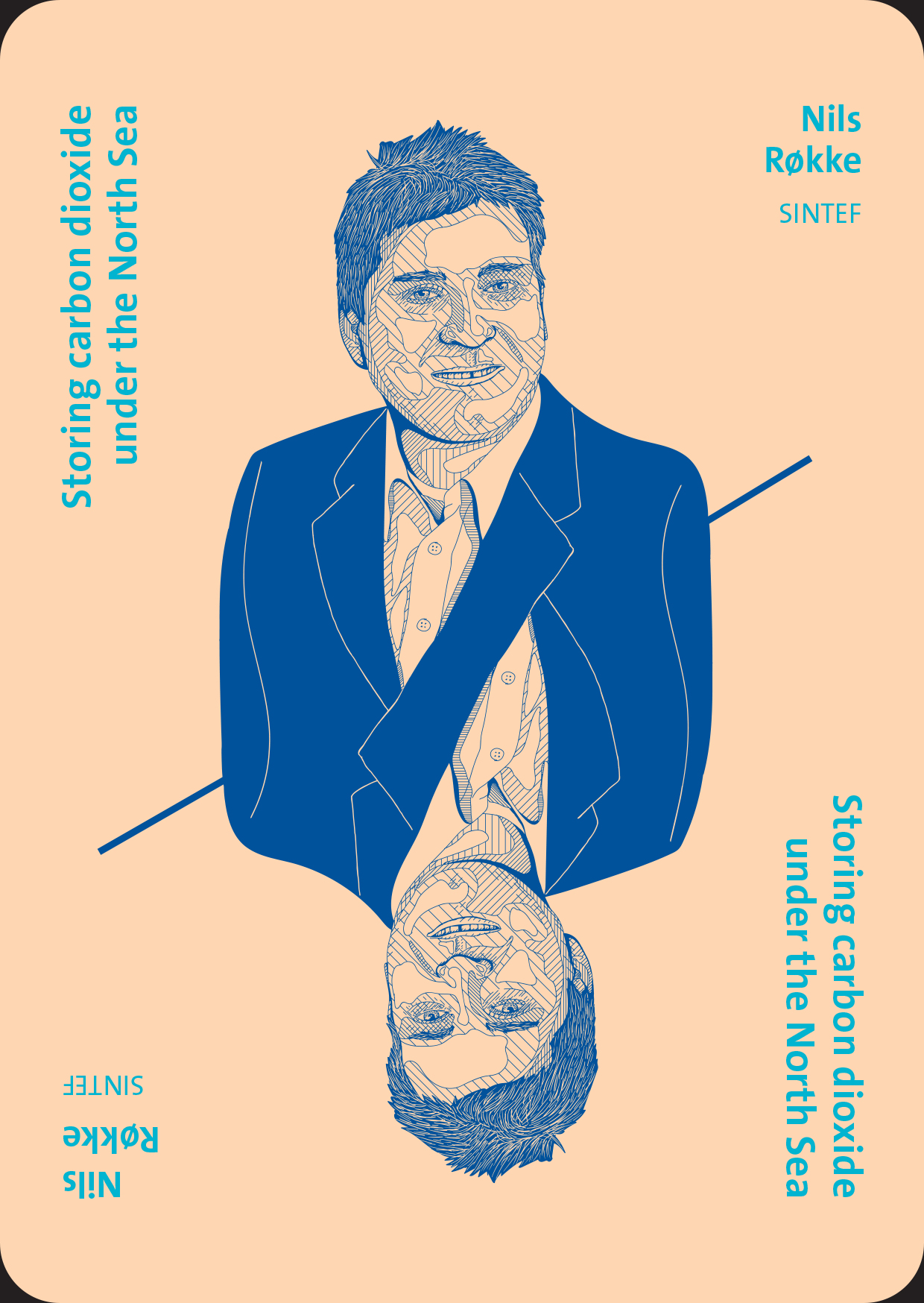
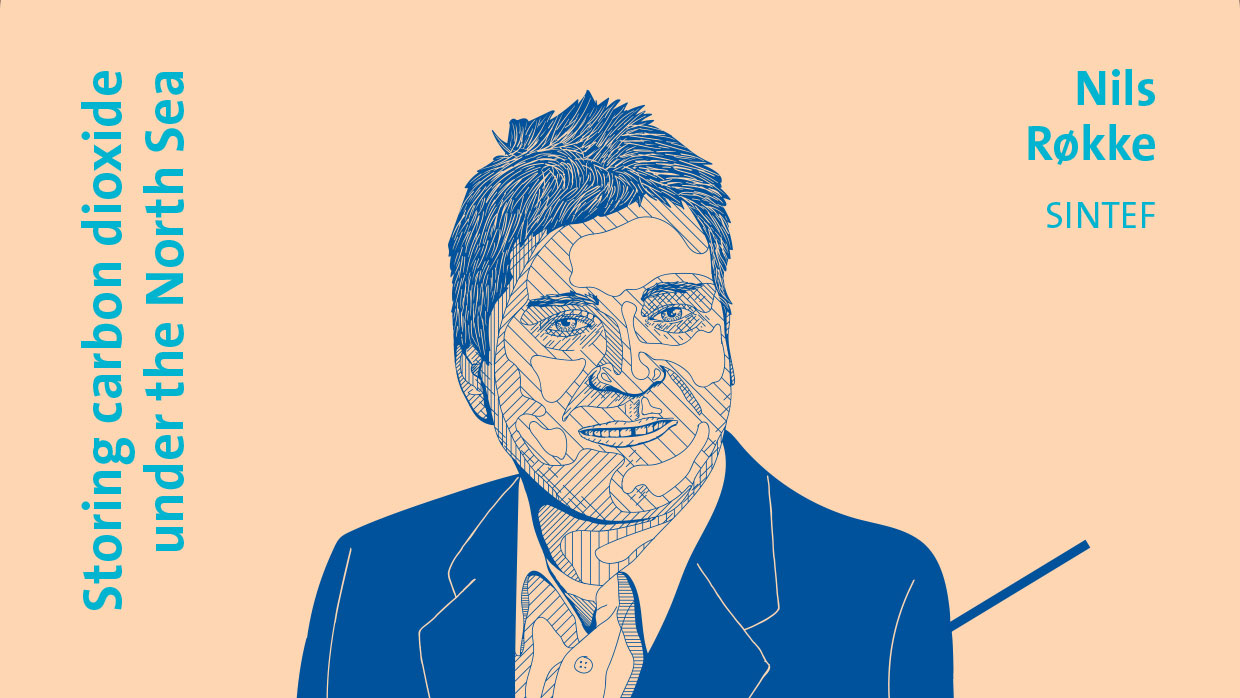
Storing carbon dioxide under the North Sea - Nils Røkke
Storing carbon dioxide under the North Sea – Nils Røkke

Comments

No comments yet. Be the first to comment!

Leave a comment Cancel reply

Your email address will not be published. Required fields are marked *

More about Energy

How much can energy-efficient voyage planning save? Evidence from 11 months of North Atlantic data

Author Image
Author Image
2 forfattere
Infographic showing the flow of thermal energy storage (TES) from surplus heat or cold to end users. On the left, red and blue thermometer icons represent surplus heat and cooling, accompanied by the text “Surplus heat or cold – Captured and stored for when it’s needed.” In the centre, a large panel titled “Thermal Energy Storage (TES)” presents three storage technologies. The top section, “Sensible TES,” shows a container with a thermometer and the text “Stores heat in one single phase.” The middle section, “Latent TES,” shows a water droplet and snowflake connected by circular arrows, with the text “Stores heat through phase change.” The bottom section, “Thermochemical TES,” shows two connected coloured circles that separate and reconnect, illustrating a reversible reaction, with the text “Stores heat through reversible reactions.” A large pale arrow-shaped wedge points from the TES panel toward the right side of the figure. On the right, three application areas are shown in separate boxes with icons: industrial processes, buildings, and data centres. The layout conveys that surplus heat or cold can be stored using sensible, latent, or thermochemical TES technologies and later supplied to industrial facilities, buildings, and data centres.

Thermal energy storage is already commercial  

Jorge Salgado Beceiro
Research Manager

Burning ammonia cleanly: How timing changes everything 

Author Image
Author Image
2 forfattere

Technology for a better society

  • About this blog
  • How to write a science blog
  • Sign up for our newsletter
  • News from NTNU and SINTEF
  • Facebook
Gå til SINTEF.no
SINTEF logo
© 2026 SINTEF Foundation
Privacy Editorial Press contacts Website by Headspin