Posts
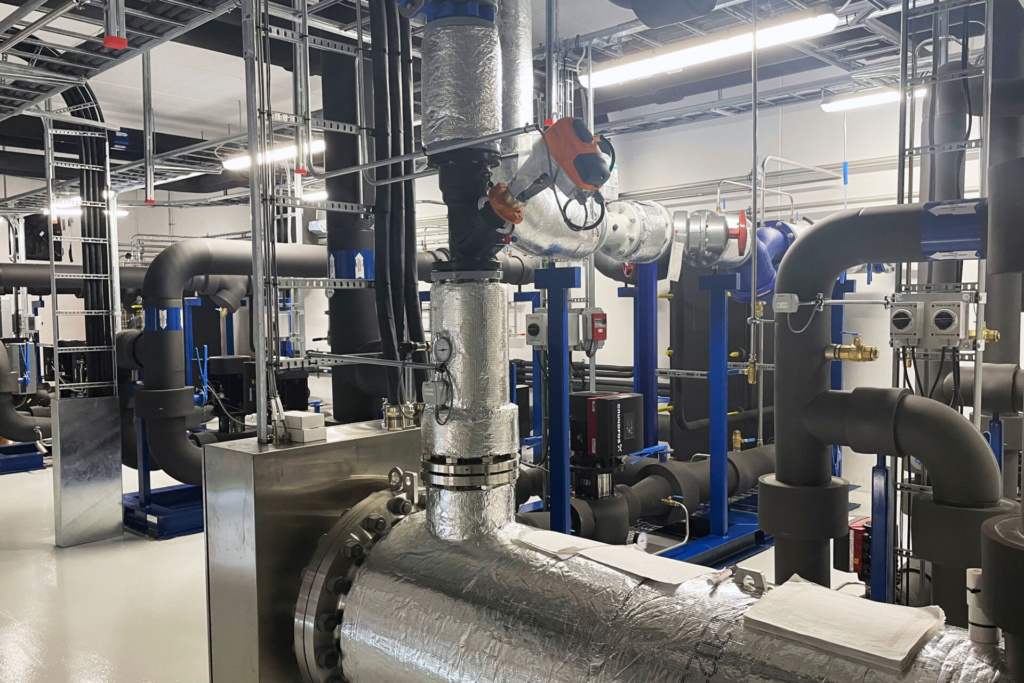
M-Lab: developing the sustainable maritime energy systems of the future
Achieving zero-emission shipping, especially for deep-sea vessels, will rely on innovative solutions for decarbonization. Enter the maritime energy...Achieving zero-emission shipping, especially for deep-sea vessels, will rely on innovative solutions for decarbonization. Enter the maritime energy...

Posts
Integrated energy systems: a promising way to help meet cities’ ever-increasing power needs
Electrification is increasingly being promoted as a measure to reduce environmental impact. But the complete electrification of our current energy...Electrification is increasingly being promoted as a measure to reduce environmental impact. But the complete electrification of our current energy...

Posts
NEC INTERCUR: Integrated Energy Systems for Industrial Clusters
The new industry-research collaborative project NEC INTERCUR aims to develop a strategic decision-making tool for industrial clusters.The new industry-research collaborative project NEC INTERCUR aims to develop a strategic decision-making tool for industrial clusters.
Posts
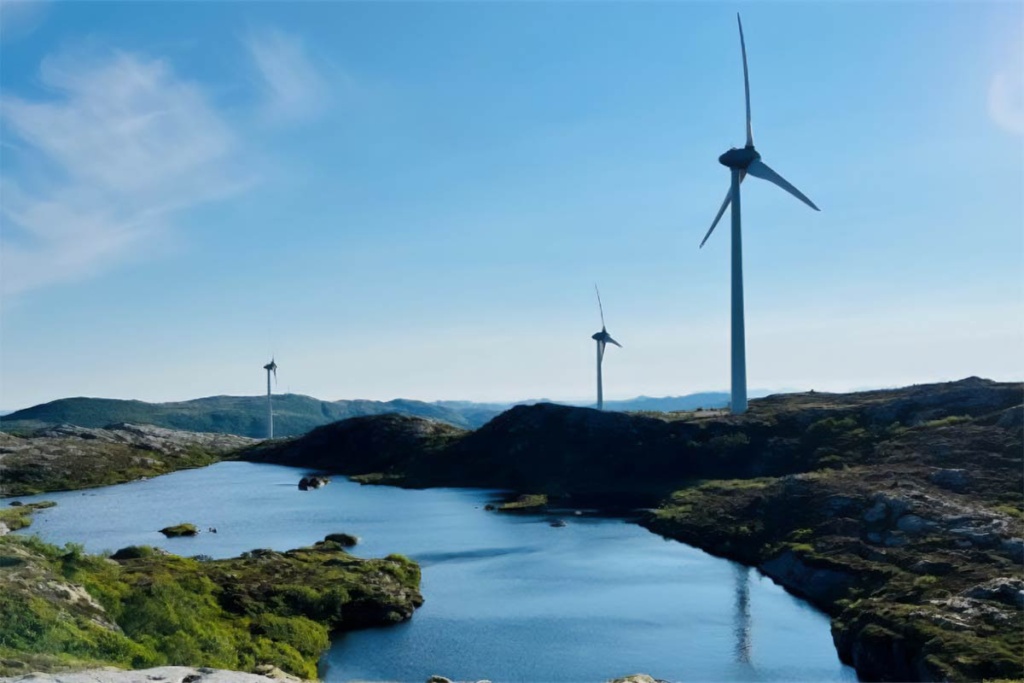
How wind energy impacts ecosystems: Vegetation studies at Norwegian wind farm sites
Expanding onshore wind energy demands a careful balance between renewable energy production and preserving affected ecosystems.Expanding onshore wind energy demands a careful balance between renewable energy production and preserving affected ecosystems.

Posts
The maps we use to plan our energy future have blind spots. We asked the mapmakers where they are.
No model is perfect. We asked Norwegian developers and users of energy system models to point out the blind spots in their own models. Their answers...No model is perfect. We asked Norwegian developers and users of energy system models to point out the blind spots in their own models. Their answers...
Posts
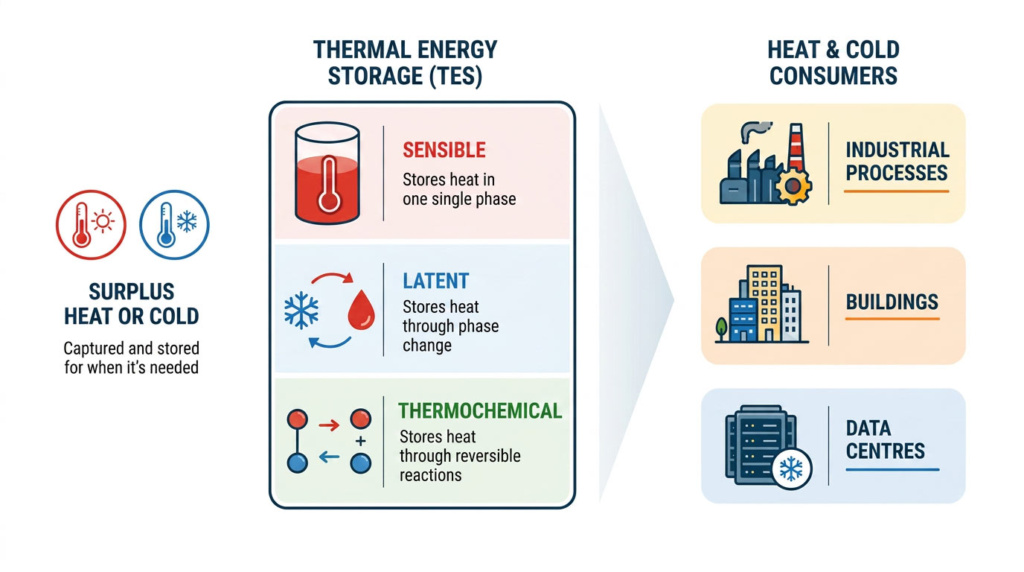
Thermal energy storage is already commercial
Thermal energy storage is no longer waiting for its commercial moment; it has already arrived, quietly fragmenting into several distinct markets...Thermal energy storage is no longer waiting for its commercial moment; it has already arrived, quietly fragmenting into several distinct markets...
Posts
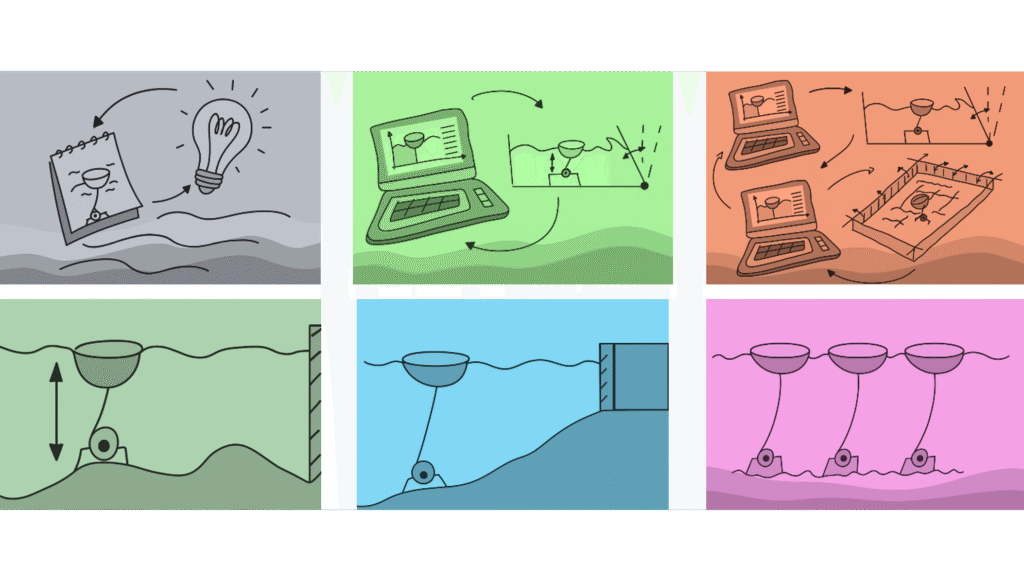
The path to innovation: Technology development stages in wave energy
Wave energy has the potential to be one of Norway’s most exciting future industries — clean, abundant, and available right at our coastlines. But...Wave energy has the potential to be one of Norway’s most exciting future industries — clean, abundant, and available right at our coastlines. But...

Posts
COP30: Bioenergy
Bioenergy can be used for heating, power generation, biofuels, and biocarbon. Because biomass is part of the natural carbon cycle, it can be climate...Bioenergy can be used for heating, power generation, biofuels, and biocarbon. Because biomass is part of the natural carbon cycle, it can be climate...

Posts
COP30: Climate-Neutral, Energy-Efficient Buildings, Districts and Smart Cities
Buildings, cities, and urban areas account for a large share of global energy use and greenhouse gas emissions. To meet climate targets, we must...Buildings, cities, and urban areas account for a large share of global energy use and greenhouse gas emissions. To meet climate targets, we must...

Posts
COP30: Solar Energy
Solar energy is growing rapidly worldwide and is now the largest source of investment in new power generation. The technology is scalable, affordable,...Solar energy is growing rapidly worldwide and is now the largest source of investment in new power generation. The technology is scalable, affordable,...

Posts
COP30: Hydropower and Energy Storage
Recommendations Current situation The global energy transition now underway requires the provision of reliable, sustainable energy at an affordable...Recommendations Current situation The global energy transition now underway requires the provision of reliable, sustainable energy at an affordable...

Posts
COP30: Energy Efficiency in Industry
Energy efficiency is the key to a successful green transition. Industry accounts for a significant share of global energy use, and every measure that...Energy efficiency is the key to a successful green transition. Industry accounts for a significant share of global energy use, and every measure that...