
Hydrogen is opening new possibilities for cleaner production in energy-intensive industries such as glass and aluminum. Its potential to reduce emissions and enable more sustainable processes is driving growing interest across the sector. Yet turning that potential into reality will depend on managing safety and reliability as carefully as technical performance.
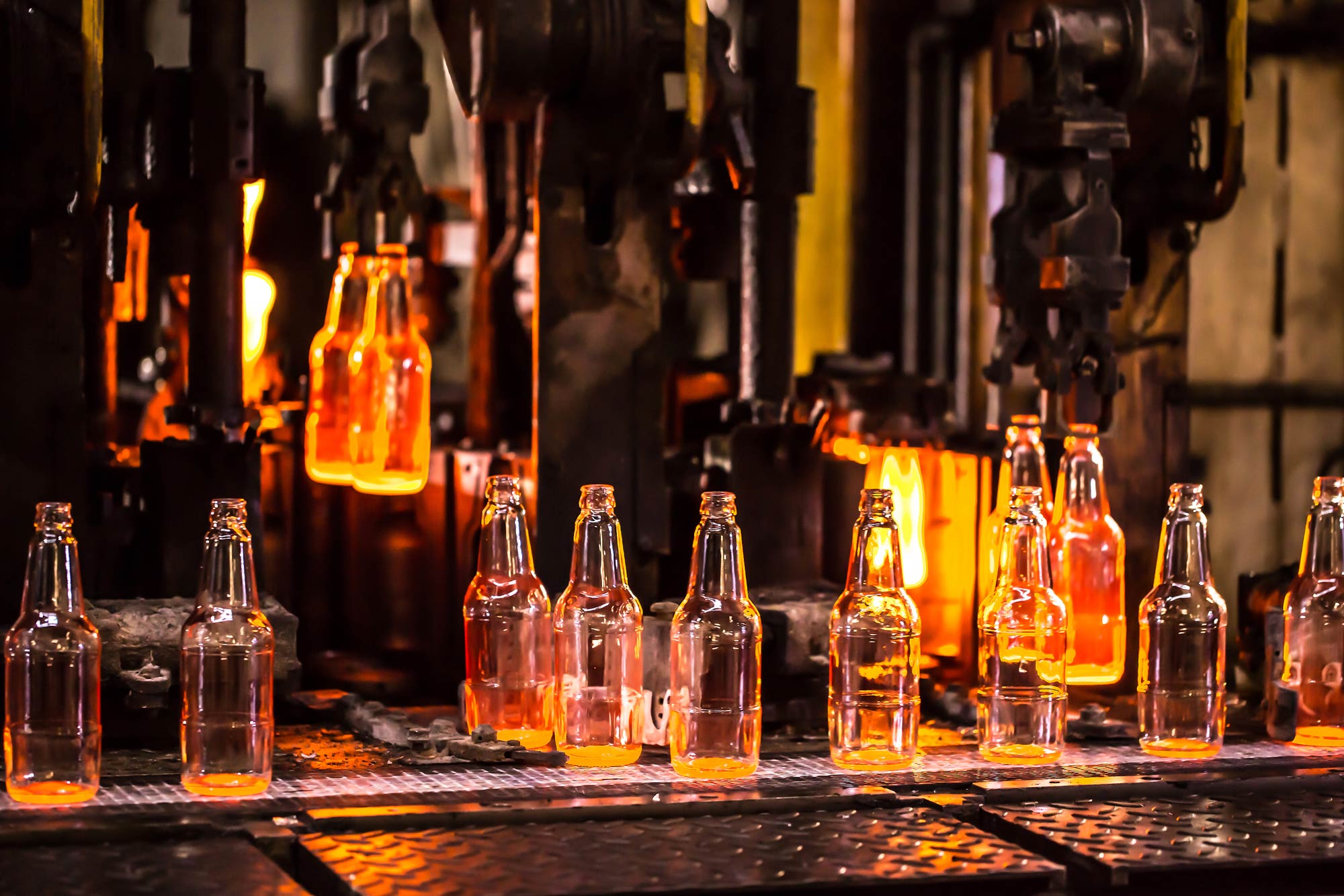
In the EU project H2GLASS, several full-scale demonstrations are being prepared for on-site hydrogen production at glass manufacturing facilities across Europe. During these demonstrations, researchers will test and validate advanced monitoring, modelling, and risk management methods to ensure the safe industrial use of hydrogen as a fuel.
In this blog, you can read more about the safety-driven innovations developed through the project. From monitoring strategies and risk modelling to the full-scale demonstrations that are paving the way for safer hydrogen use in industry.
Safety-driven innovation
Hydrogen offers a clean alternative to fossil fuels in energy-intensive industries. It helps reduce CO₂ emissions while maintaining high-temperature performance. The versatility of hydrogen makes it suitable for processes where full electrification is difficult or inefficient. However, its unique physical and chemical properties introduce specific safety challenges that must be carefully managed.
Hydrogen has a lower density, boiling point and minimum ignition energy compared to natural gas. The broader flammability range relative to methane means that hydrogen can easily form flammable mixtures with air. This increases the risk of fire or explosions upon ignition. Flames from hydrogen combustion are almost invisible to the human eye, and dedicated flame detectors are required for reliable identification.
In addition, the small molecular size of hydrogen allows it to diffuse and embrittle many metallic materials used in manufacturing and processing. This process, known as “hydrogen embrittlement”, can create tiny internal cracks where hydrogen accumulates. Over time, these cracks weaken materials and increase the risk of leaks or equipment failure.
To address these risks, the project team is developing and validating tools to monitor, predict, prevent, and mitigate such hazards — and to build safety strategies that ensure hydrogen’s safe use across industrial environments.
Three critical monitoring stages
To ensure safe operation of hydrogen systems, three critical monitoring stages are proposed for hydrogen systems. These stages focus on identifying material degradation, detecting leaks and recognising flames that are otherwise invisible to the human eye. Together, they form the foundation for safe and reliable hydrogen use in industrial environments.
- Preventive material inspection and degradation monitoring
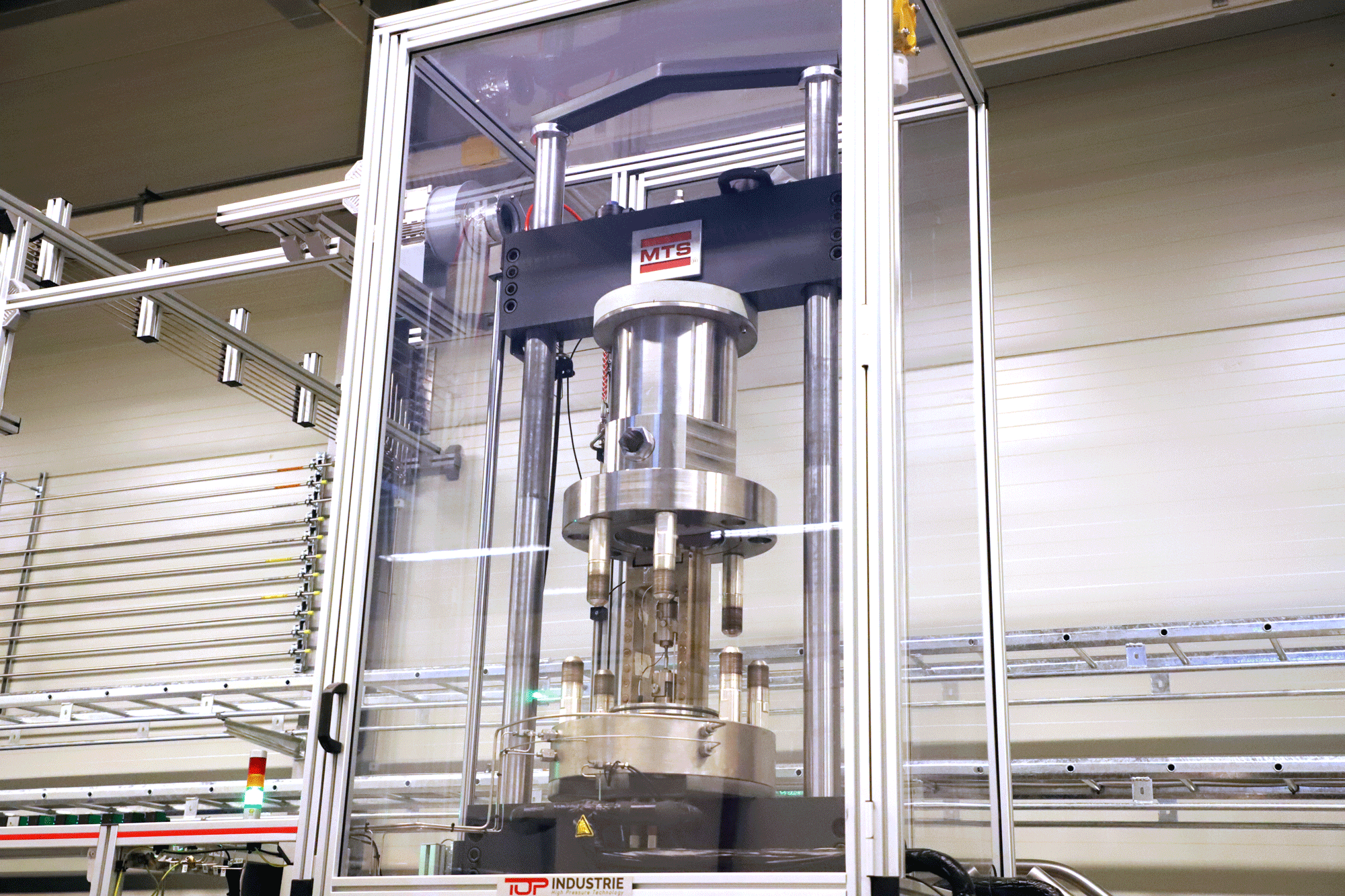
Early identification of material degradation is essential to maintain the safe operability of equipment and systems carrying hydrogen. Degradation can be assessed using two main types of tests: destructive and non-destructive. Destructive tests are used to qualify materials for use with hydrogen but cannot provide real-time information. Non-destructive tests, such as ultrasonic, acoustic or electromagnetic methods, make use of hydrogen’s specific properties to detect potential hydrogen-induced damage. - Real-time reliable hydrogen leak detection
Hydrogen sensors have long been used in chemical, petrochemical and metallurgical industries. For safety applications, key parameters include sensitivity, selectivity and response time. Reliable and prompt detection of hydrogen leaks is vital to trigger mitigation strategies, such as emergency shutdown, ventilation, or area isolation. Detection systems can use several sensor types, the most common being catalytic, resistance-based, acoustic or combined technologies. - Flame detection
Hydrogen flames are nearly invisible to the human eye and produce little smoke or soot. Because of this, conventional optical or visual flame detectors are ineffective. Thermal heat sensors are instead used to identify hydrogen flames accurately and promptly.
Computational fluid dynamics models
In H2GLASS, safety is more than a requirement, it’s crucial. Therefore, a comprehensive safety plan is being developed to ensure that every step when introducing hydrogen as a fuel to glass furnaces is carried out with the highest safety standards and procedures.
Our research focuses on identifying suitable models and monitoring sensors for detecting hydrogen leaks. The goal is to create a library of integrity loss models specific to hydrogen’s use as fuel. This library will serve as input to a dynamic risk analysis model aimed at developing an optimised risk-based inspection and maintenance framework.

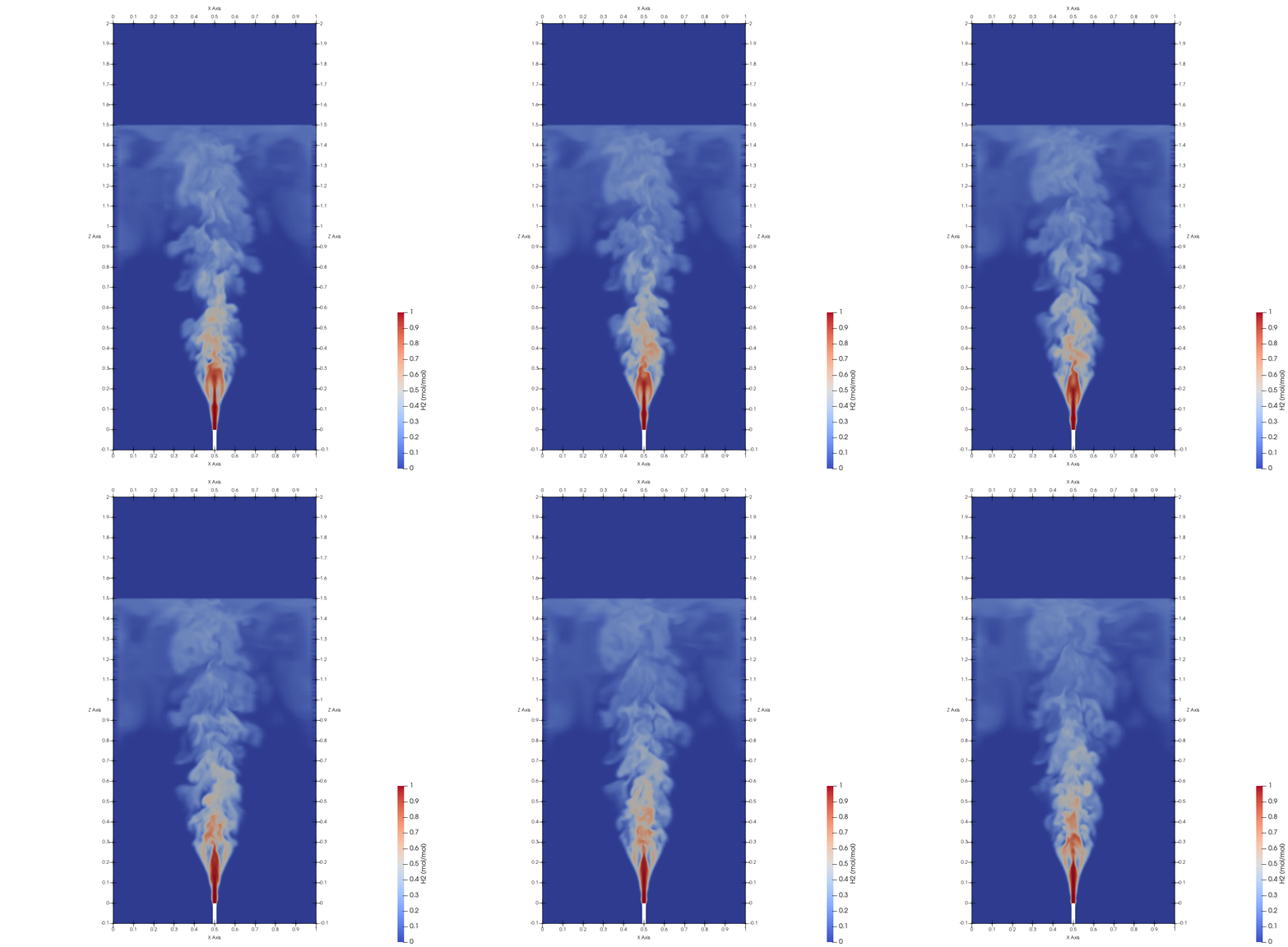
Furthermore, computational fluid dynamics (CFD) models are being developed to study how hydrogen behaves once it is released into the environment. In particular, these models are being used to simulate hydrogen gas accumulation near the furnace. Such accumulation can potentially result in fires or explosions when ignition sources, such as hot surfaces, are present.
Modelling hydrogen accumulation faces challenges in accuracy, validation and the representation of complex physical phenomena like buoyancy and turbulence. Tailoring models for the description of hydrogen gas accumulation can support more accurate and reliable safety analysis and explosion risk predictions, limiting conservatism.
Paving the way for a hydrogen-powered future
The integration of hydrogen into energy-intensive industries marks a major step toward sustainable, low-emission production of glass and aluminum. However, this transition requires a rigorous and forward-thinking safety approach. The H2GLASS project demonstrates how innovation and precautions can work together to unlock hydrogen’s potential while protecting people, infrastructure and the environment.
By developing advanced monitoring systems, predictive models and tailored inspection frameworks, we are addressing the known hazards of hydrogen. We are also preparing for any unknown hazards that may emerge as the use of hydrogen expands. Plans are underway for several full-scale demonstration campaigns in the European glass and aluminum industries, incorporating on-site hydrogen production via electrolyzers. These campaigns will serve as test cases to refine and expand the safety management workbooks.
As hydrogen becomes a cornerstone of future industrial energy strategies, the methodologies and insights gained in this project will serve as a blueprint for other sectors. The project’s commitment to continuous improvement, validation and collaboration sets a high standard for responsible innovation.
Ultimately, the success of hydrogen in industry will depend not just on its technical feasibility, but on the confidence that it can be used safely and reliably. Thanks to initiatives like H2GLASS, that confidence is steadily growing, bringing us closer to a cleaner, safer, and more resilient energy future.








Comments
Hi,
This is an exciting piece and it resonate with my interest as H2 Ambassador too!