ELEGANCY is an ACT (Accelerating CCS Technologies) research project aiming to provide knowledge in the form of data, models and case studies on how Europe’s energy system can be decarbonized via CCS and hydrogen. The partner countries are Germany, the Netherlands, Norway, Switzerland and the UK, with some partners located in Belgium and Sweden.
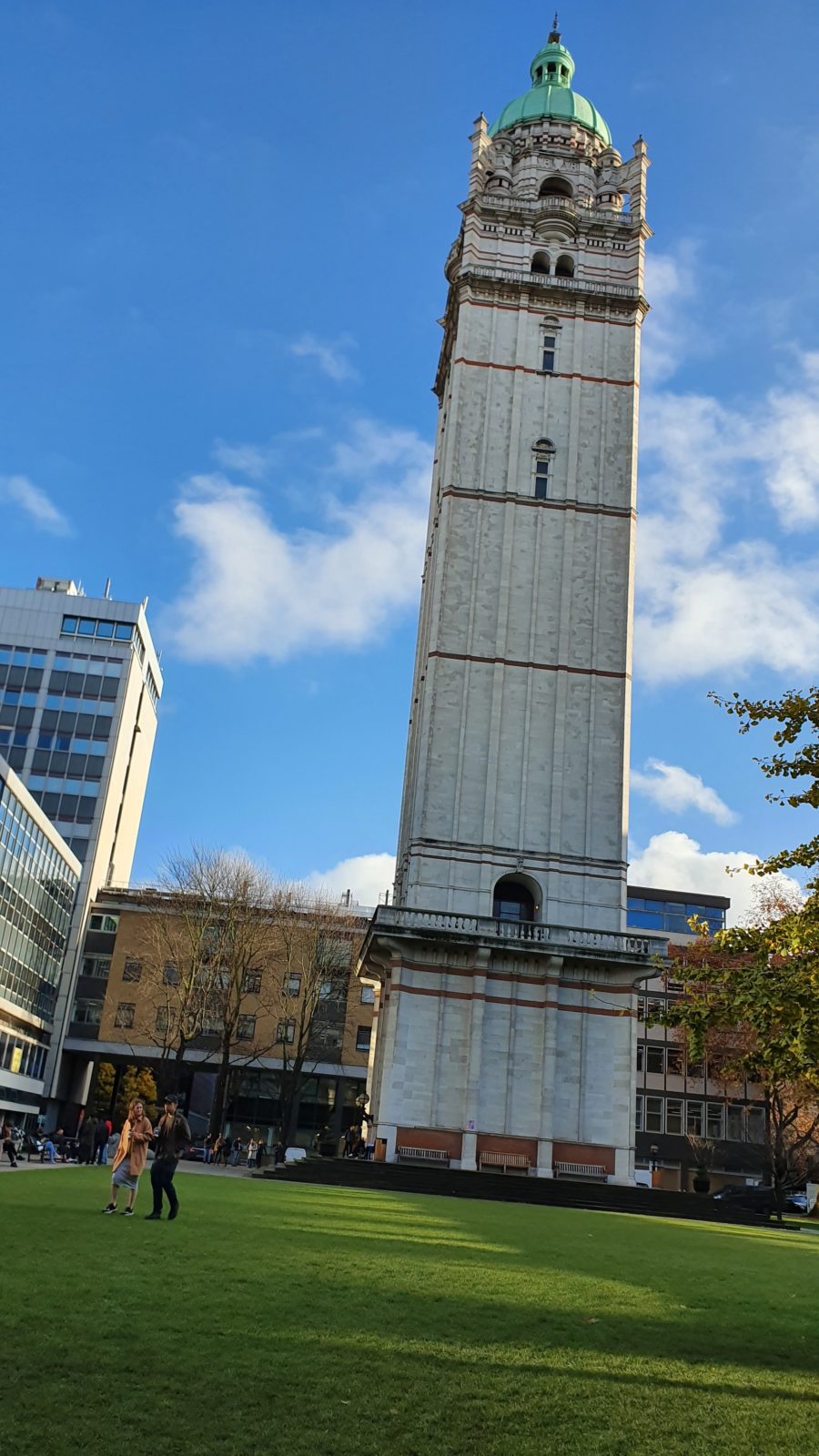
This was the fifth in the series of ELEGANCY consortium meetings, and it was hosted by Imperial College London, the UK consortium leader in ELEGANCY. During two days, the project participants presented and discussed the latest findings, and also made preparations for 2020, in which the project will conclude.
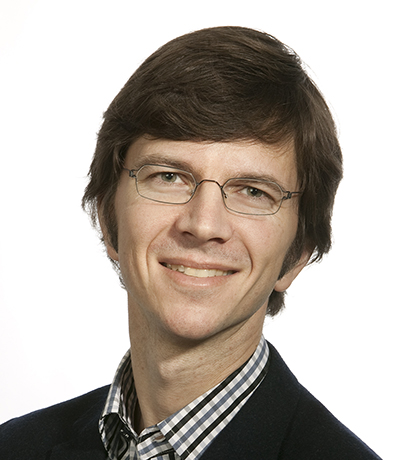
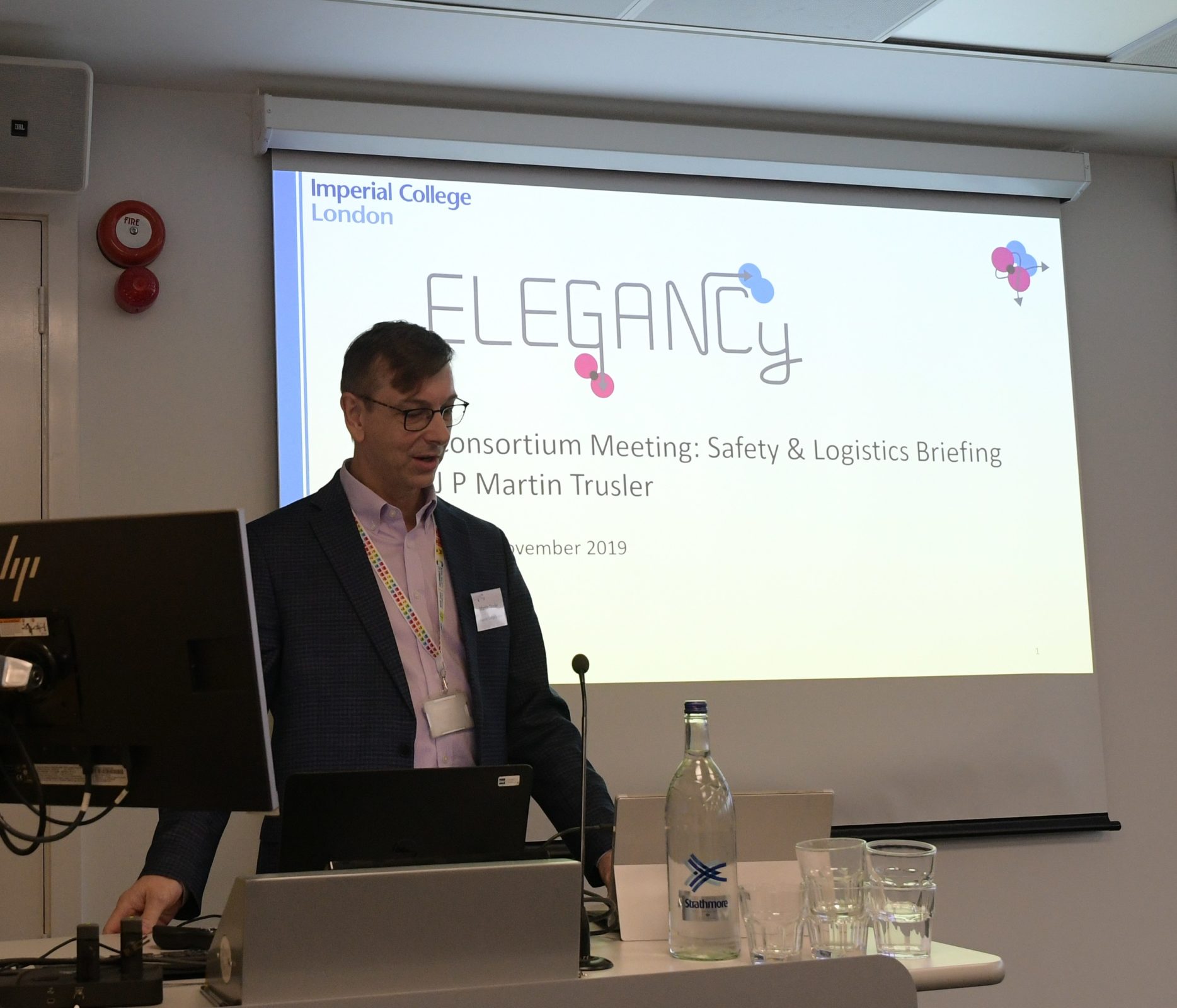
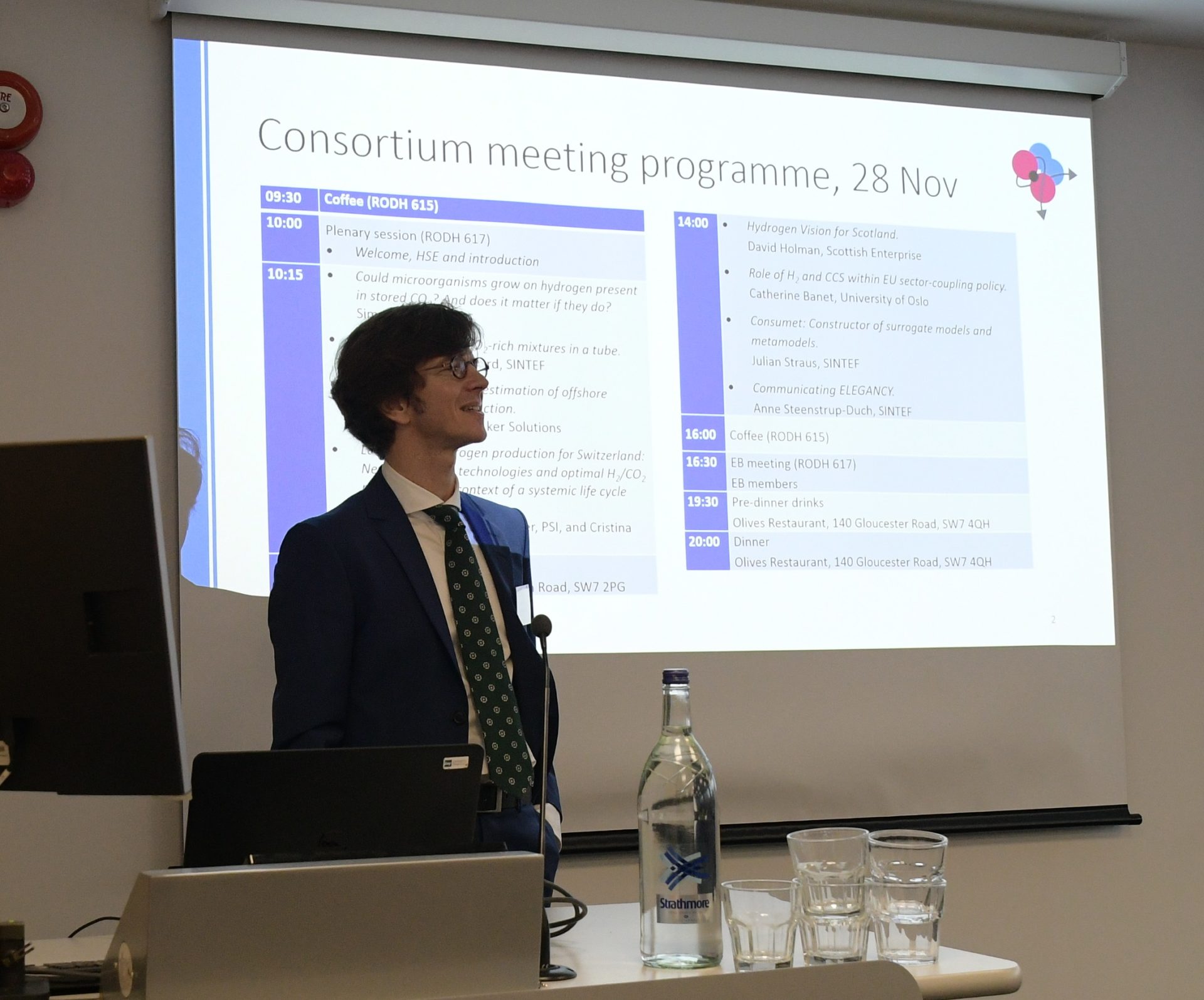
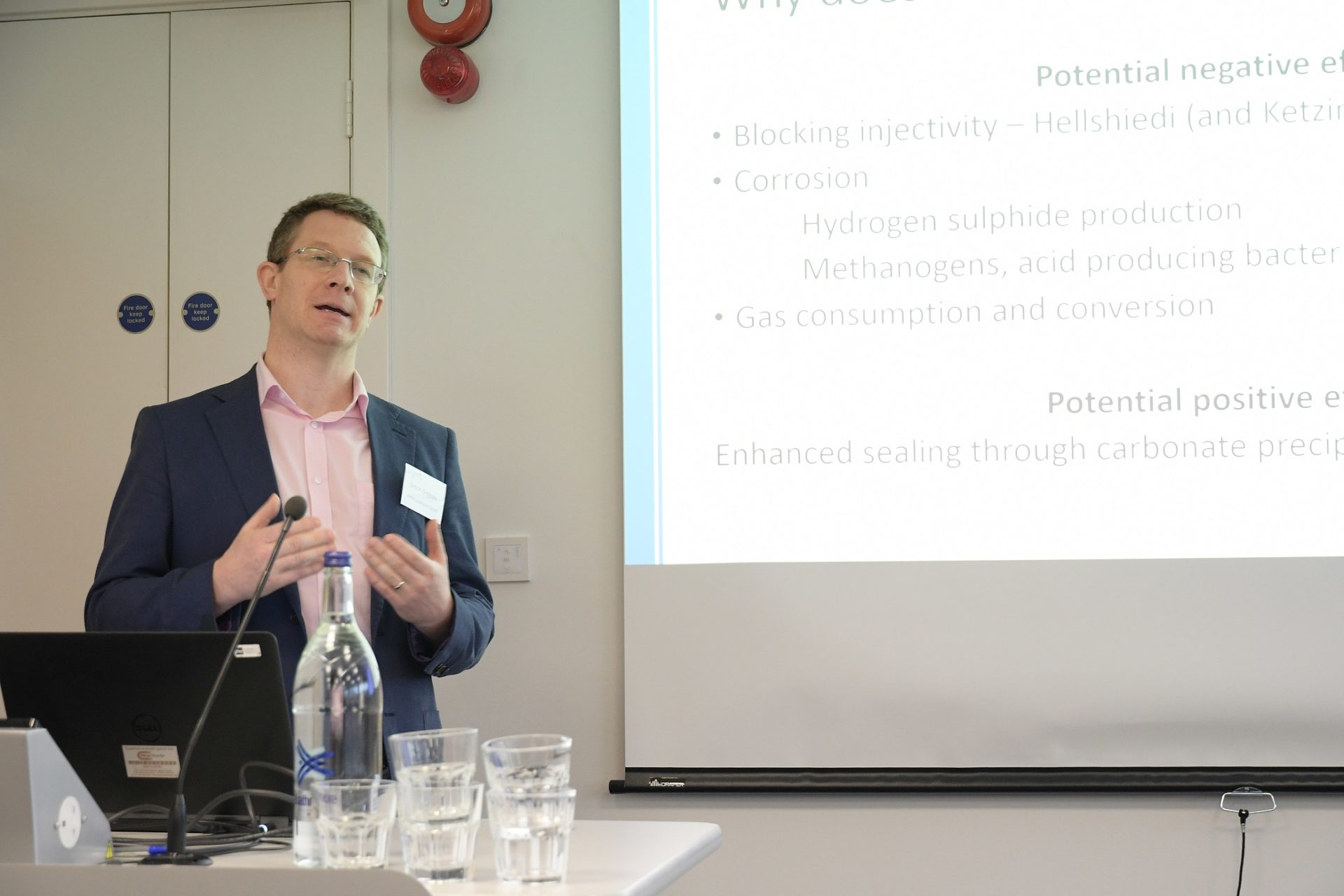
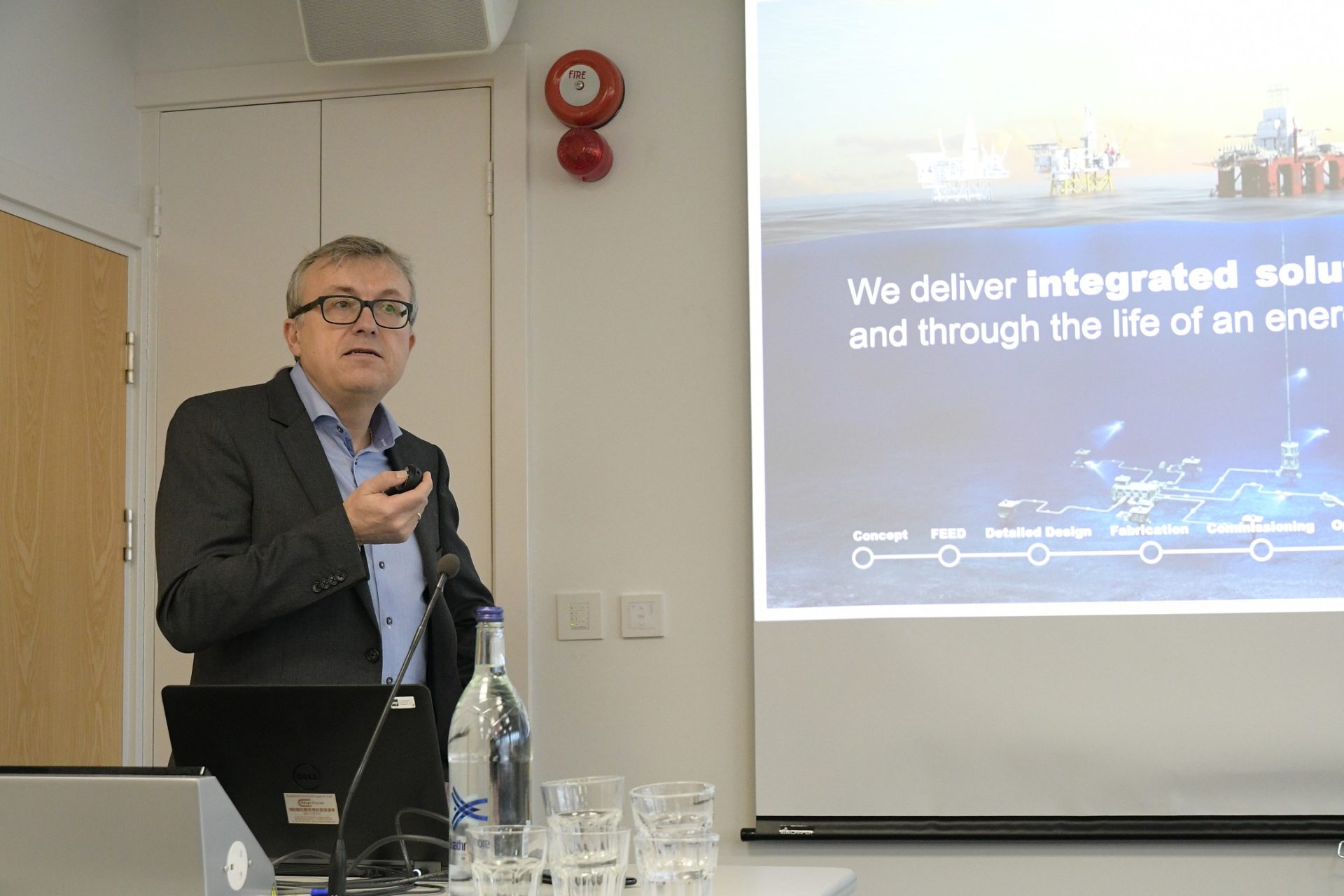
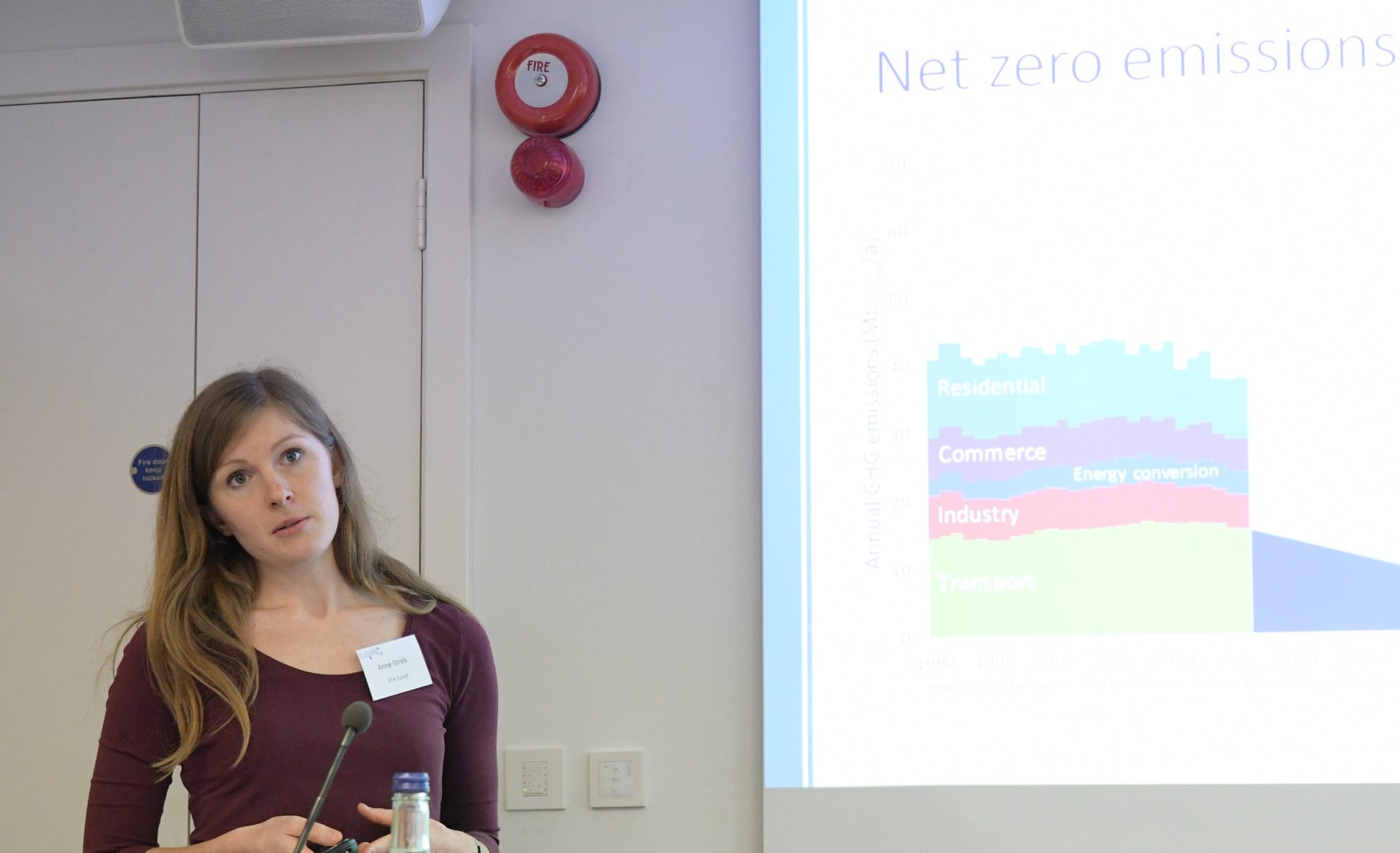
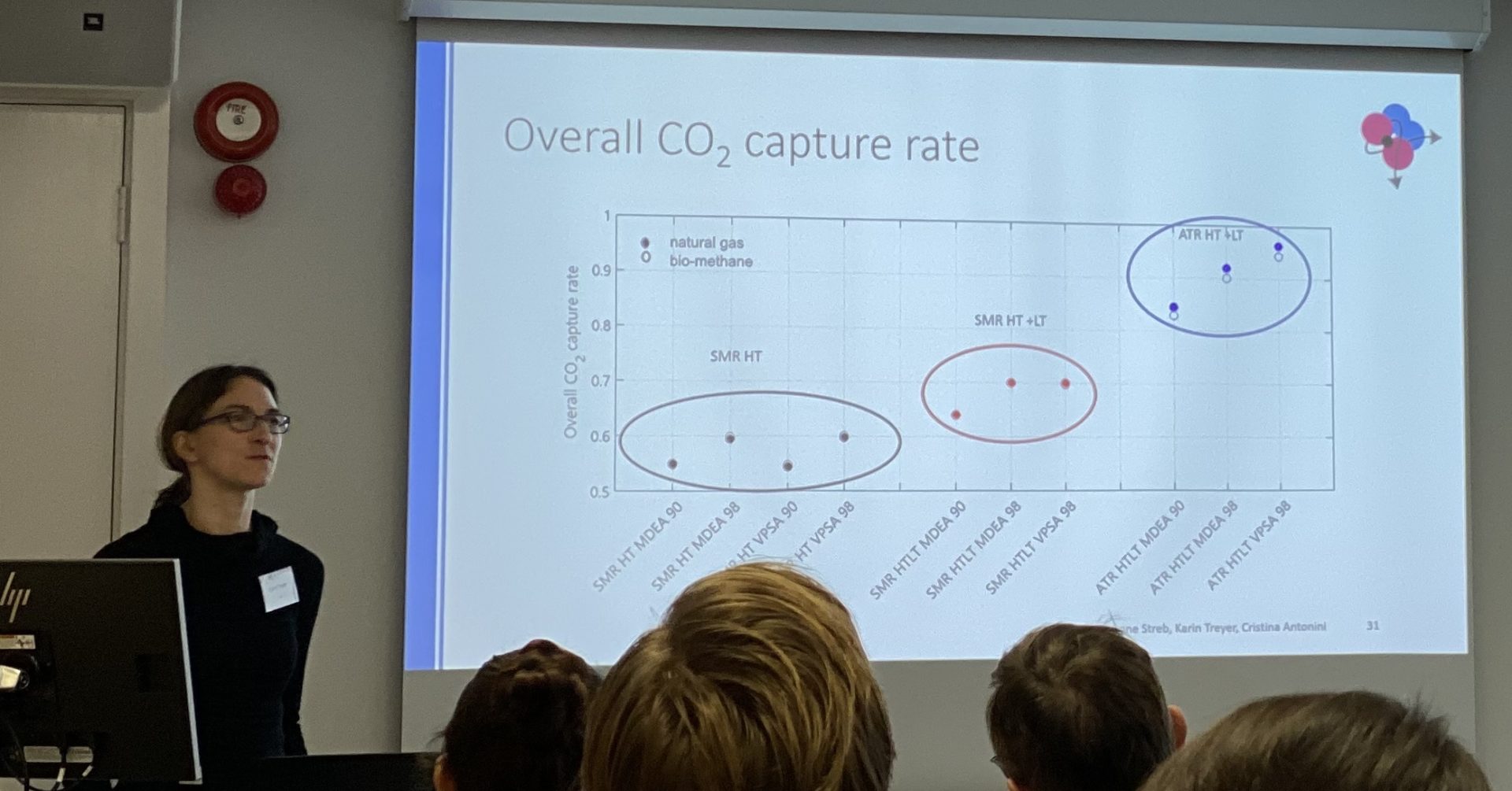
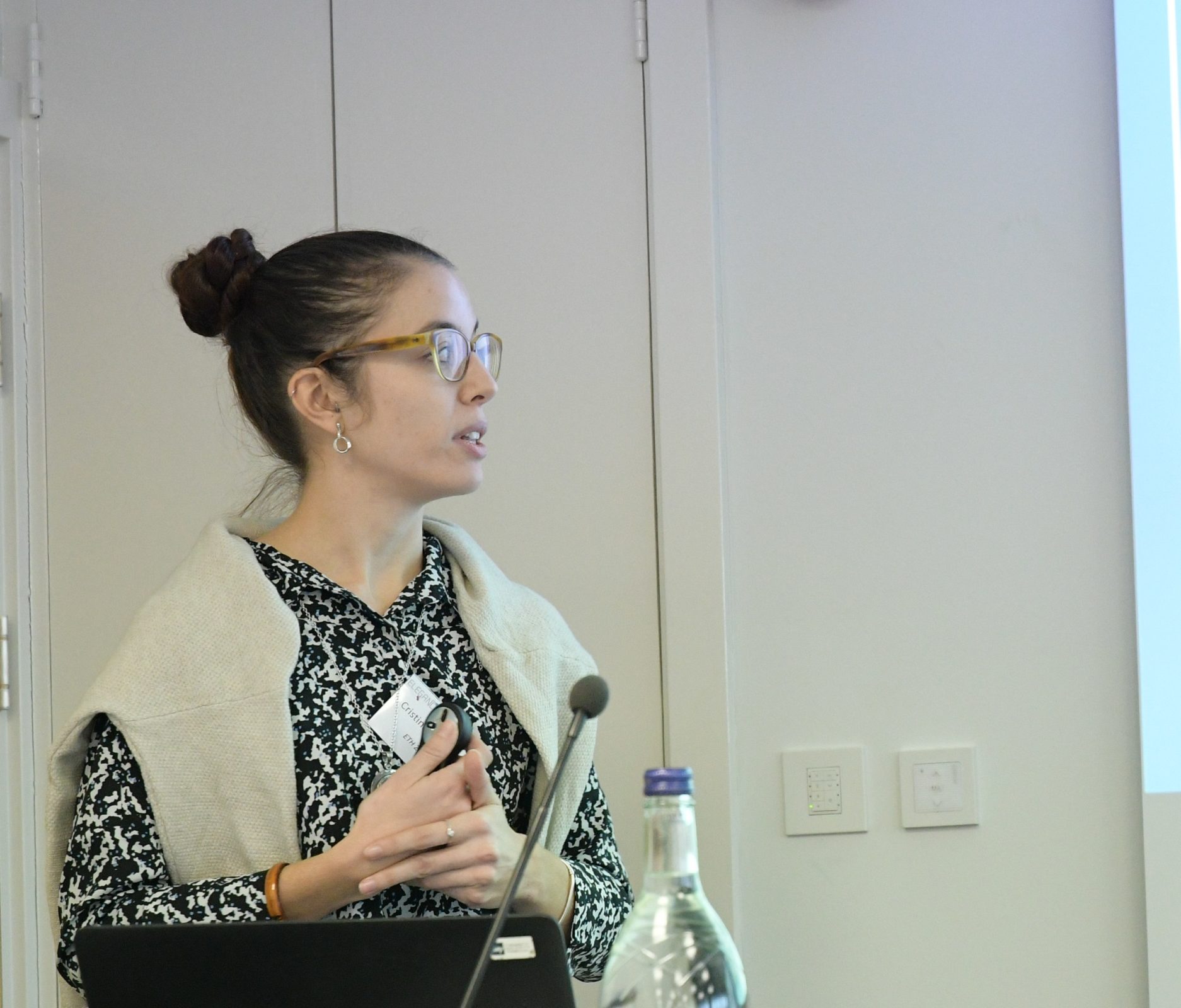
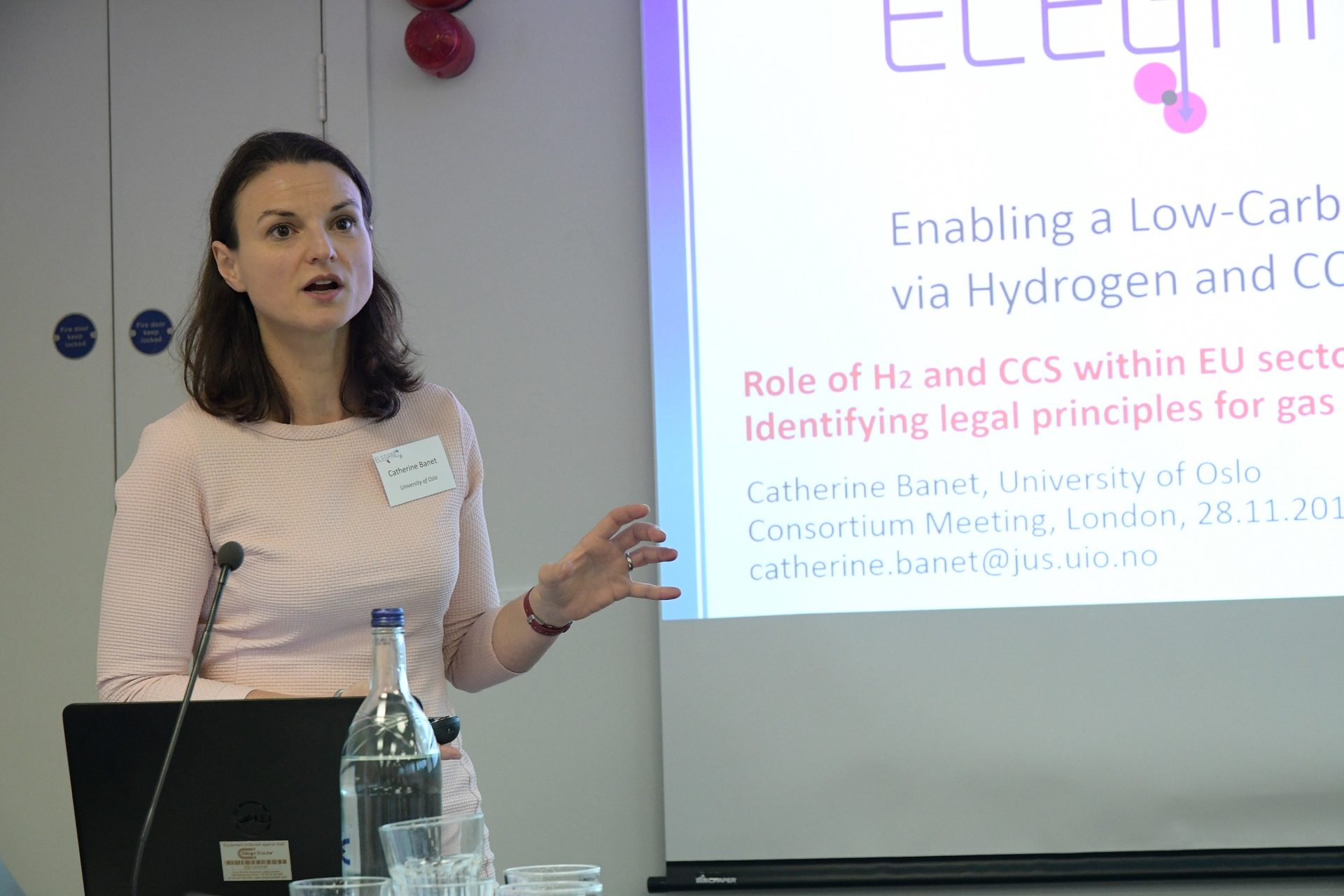
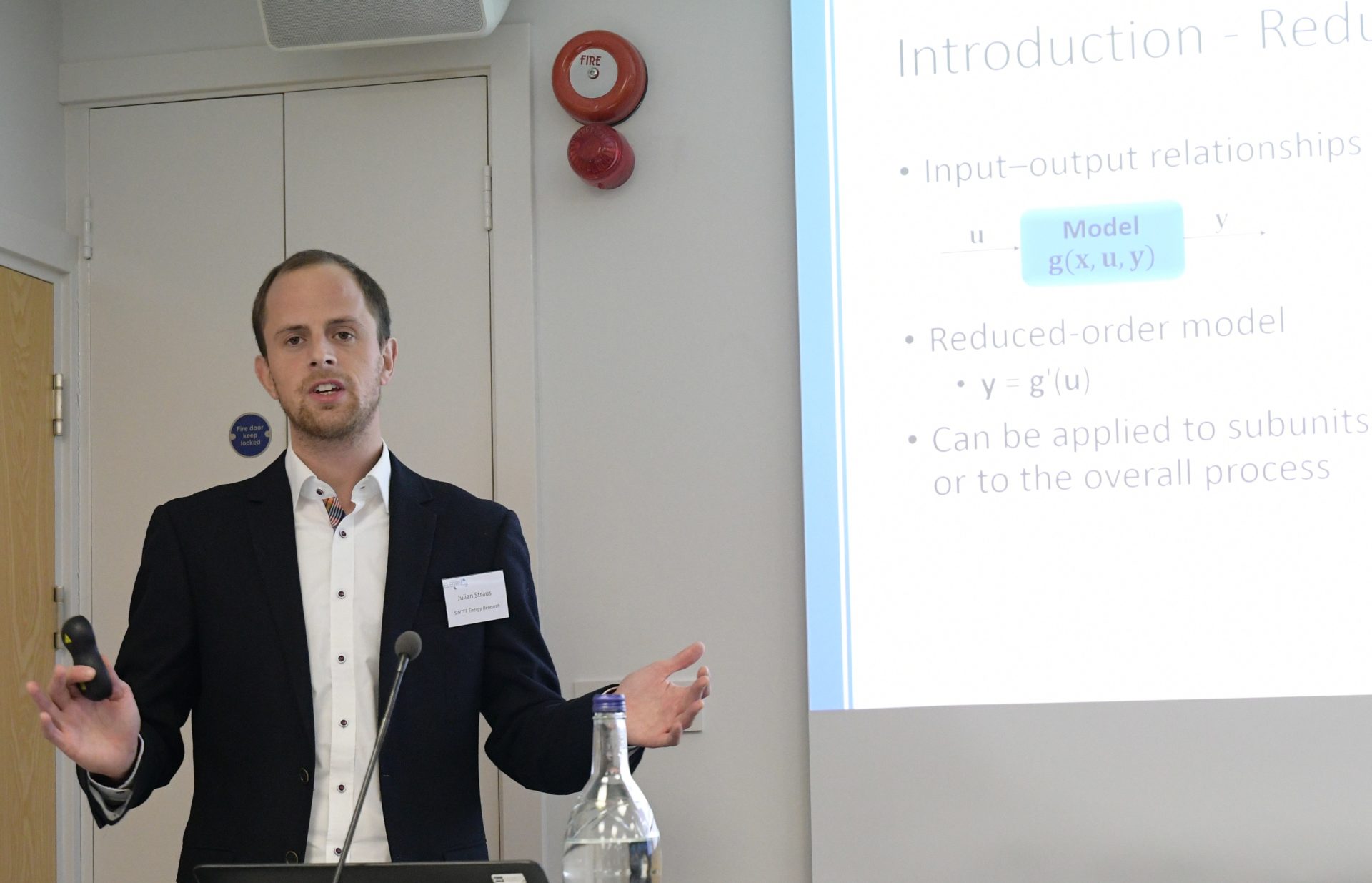
J P Martin Trusler (Imperial College London) hosted the ELEGANCY meeting. Photo: Robert de Kler.Svend Tollak Munkejord (SINTEF) chaired the meeting and presented experimental and modelling results regarding the decompression of a CO2-nitrogen mixture in a pipe. Photo: Robert de Kler.Simon Gregory (British Geological Survey) presented an experimental set-up to find out whether microorganisms in the underground rock could affect CO2 injection and storage. Photo: Svend T. Munkejord.Simon Woodhouse (Aker Solutions) presented initial work on the implementation and estimation of offshore facilities for hydrogen production. Photo: Svend T. Munkejord.Anne Streb (ETH Zürich) presented a promising technology (pressure vacuum swing adsorption) for co-production of pure CO2 and hydrogen at the same time. Photo: Svend T. Munkejord.Karin Treyer (Paul Scherrer Institute) followed up with a life-cycle assessment of hydrogen production and concluded that CCS is necessary. Photo: Anne Steenstrup-Duch.Cristina Antonini (ETH Zürich) discussed an optimal supply chain for low-carbon hydrogen in Switzerland. Photo: Svend T. Munkejord.Catherine Banet (University of Oslo) discussed the role of hydrogen and CCS within the EU sector-coupling policy. Photo: Svend T. Munkejord.Julian Straus (SINTEF) presented a computer software to facilitate the optimization of complex processes. Photo: Svend T. Munkejord.Anne Steenstrup-Duch (SINTEF) discussed science and research communication, preparing the audience for the work-package workshops. Photo: Twitter
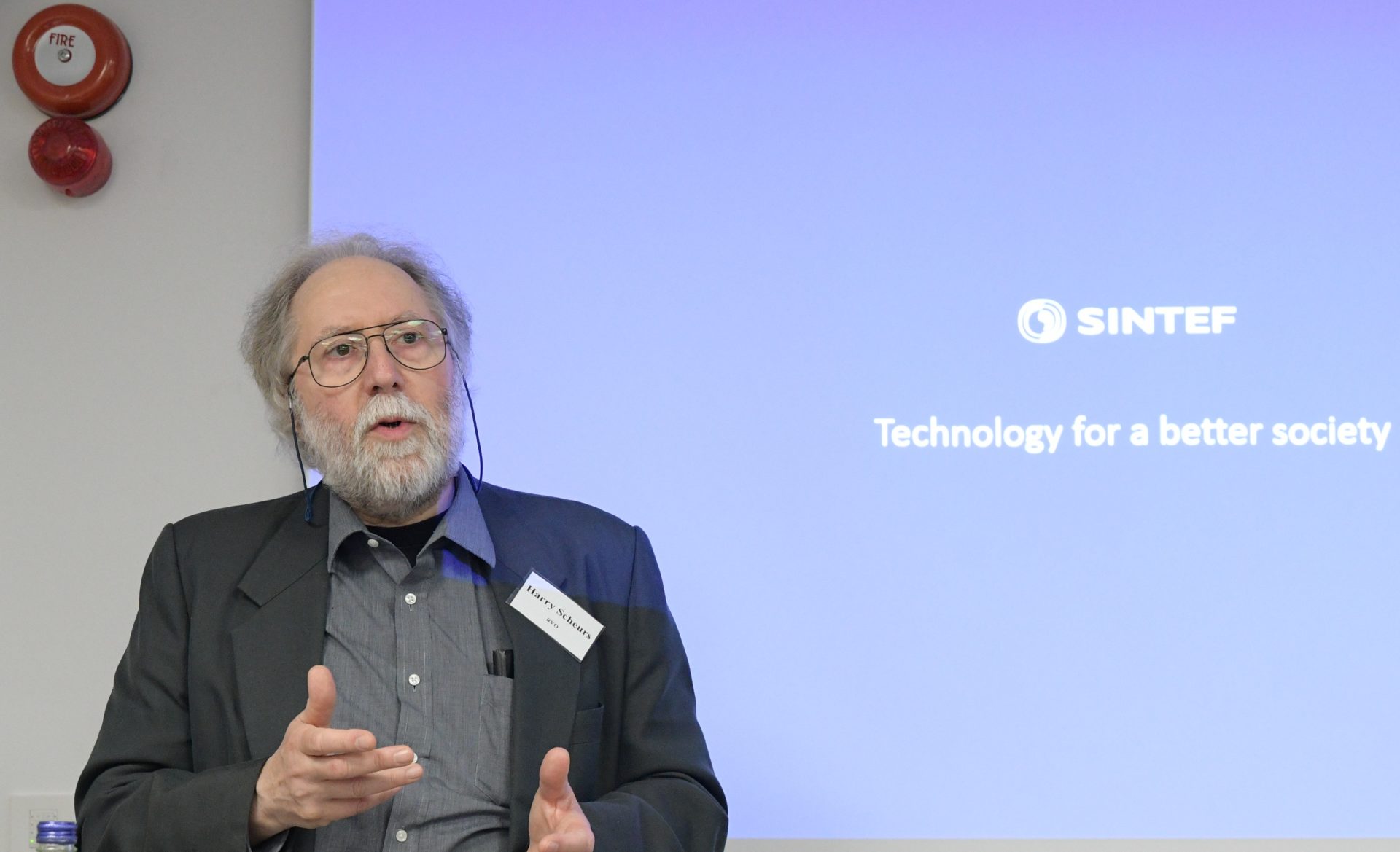
Harry Schreurs (RVO, the Netherlands) represented the ACT funding agencies stating that he was pleased with what he had seen and heard, while urging the project to keep up the good work and deliver good results in 2020. Photo: Svend T. Munkejord.



Comments
No comments yet. Be the first to comment!