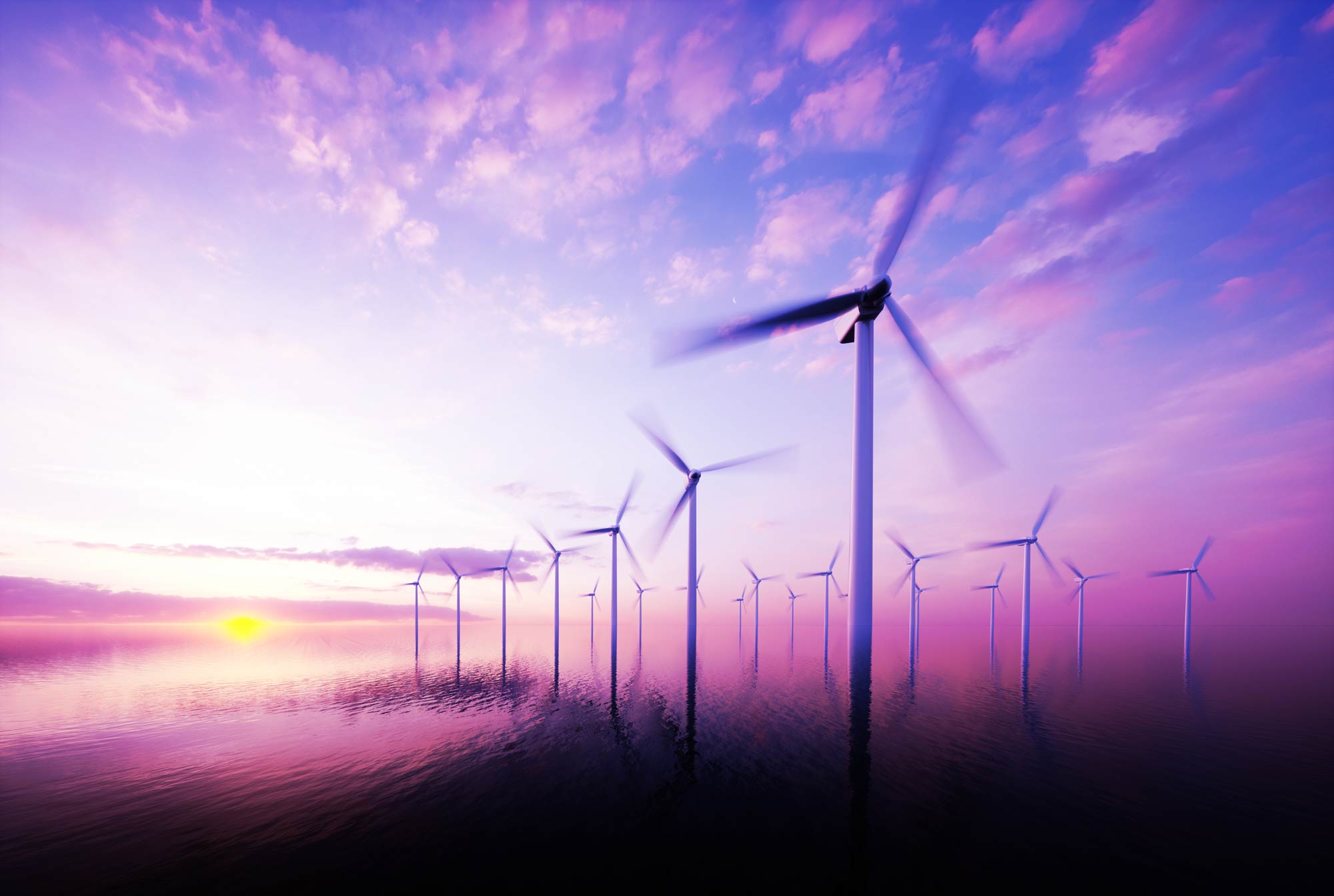

Getting there is within our reach, but research challenges must be solved. We propose (we being the EU SETWind project, in close collaboration with EERA JP Wind and ETIPWind) two new large-scale initiatives to allow the EU to reach its goals.
The EU aims to have 300GW of installed offshore wind capacity by 2050. Including Norway and the UK, this figure increases to 450GW.
The undergoing green shift will require massive amounts of renewable, CO₂-free power generation.
According to the EU’s own prognostics, offshore wind will provide by 2050 one third of its electricity demand. In short, large-scale integration of offshore wind is essential for the EU to reach its climate targets, secure its energy supply and enhance a competitive European industry.
This means a paradigm shift for wind power: from supplementary source of electricity generation to pillar of the energy system.
Research challenges
To succeed with offshore wind, the EU must invest in research to develop sustainable wind power solutions that provides energy while taking nature into account. Research is also needed to reduce costs– particularly for floating offshore wind.
The offshore grid necessary to bring the power to consumers will be on an unprecedented scale and poses its own set of research challenges. Last but not least, solutions are needed to ensure a reliable and safe supply of energy even when the wind is not blowing.
Lighthouse initiatives
Our suggestion to the EU is to create two lighthouse initiatives. These would be two major European projects covering the R&I that needs to be addressed to make floating wind cost-competitive and to make offshore wind the backbone of the energy system.
What is a lighthouse initiative?
The term “lighthouse initiative” refers to a visionary, science-driven large-scale initiatives with significant budget (tens of millions of Euros) and duration (5 years or more) that will address grand scientific and technical challenges that are crucial for the further advancement of offshore wind energy, providing new knowledge and basis for innovation. It can be realized as a collection of research projects that are set up according to a roadmap to achieve a certain goal, or it can be a large programme-like project.
You can download the documents outlining both suggested initiatives by clicking on the thumbnails below.
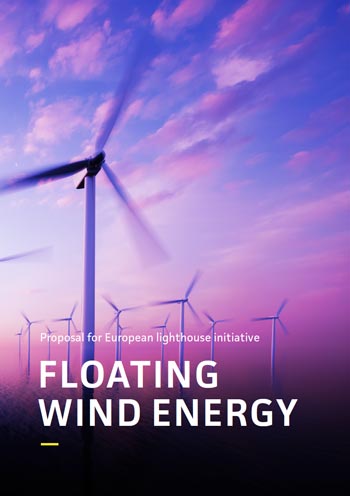
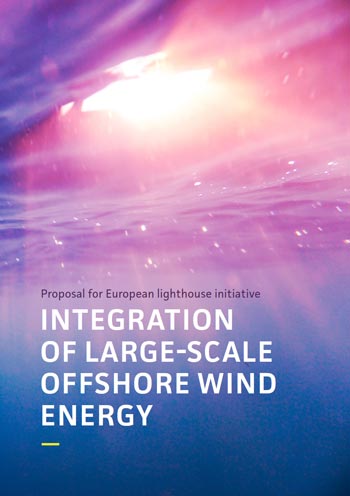
Both documents were elaborated by the EU SETWind project, in close collaboration with EERA JP Wind and ETIPWind.




Comments
No comments yet. Be the first to comment!