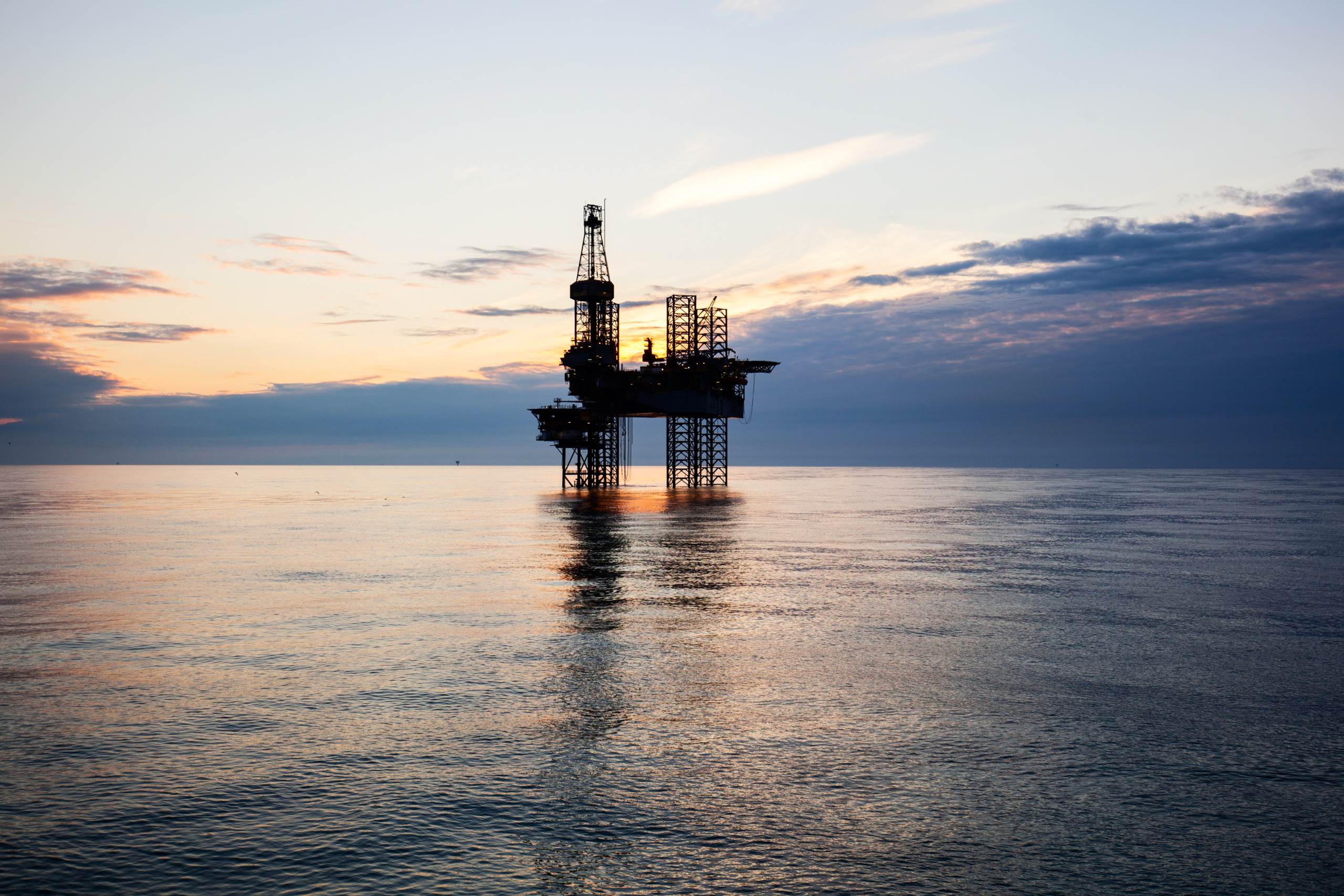




The most environmentally friendly and cheapest energy is the energy we don’t use. This is especially relevant on the Norwegian continental shelf, where offshore oil and gas production accounts for a quarter of Norway’s CO₂ emissions and where energy efficiency holds enormous potential.
Energy efficiency is not only a climate measure but also an economic one. By improving how we power and operate offshore facilities, we can cut emissions, reduce costs, and strengthen Norway’s competitiveness in an era of rising energy prices.
So how do we achieve this? In the LowEmission research centre, dedicated to reducing emissions on the NCS, we split it up roughly into two main approaches: by improving the way we generate power and by reducing the amount of energy offshore operations consume.
Power generation: Improving gas turbines by using exhaust heat
Today, around 80-85% of the emissions on the NCS stem from the gas turbines powering the energy intensive process of offshore oil and gas production. Finding ways to increase the efficiency and reducing emissions from gas turbines would therefore be incredibly effective in reducing Norway’s emissions and energy usage.
One way to achieve this would be to make use of the 400–600°C exhaust from our current gas turbines. Instead of losing this heat into the atmosphere, this massive untapped source of thermal energy could be harnessed by installing bottoming cycles on to the existing gas turbines.
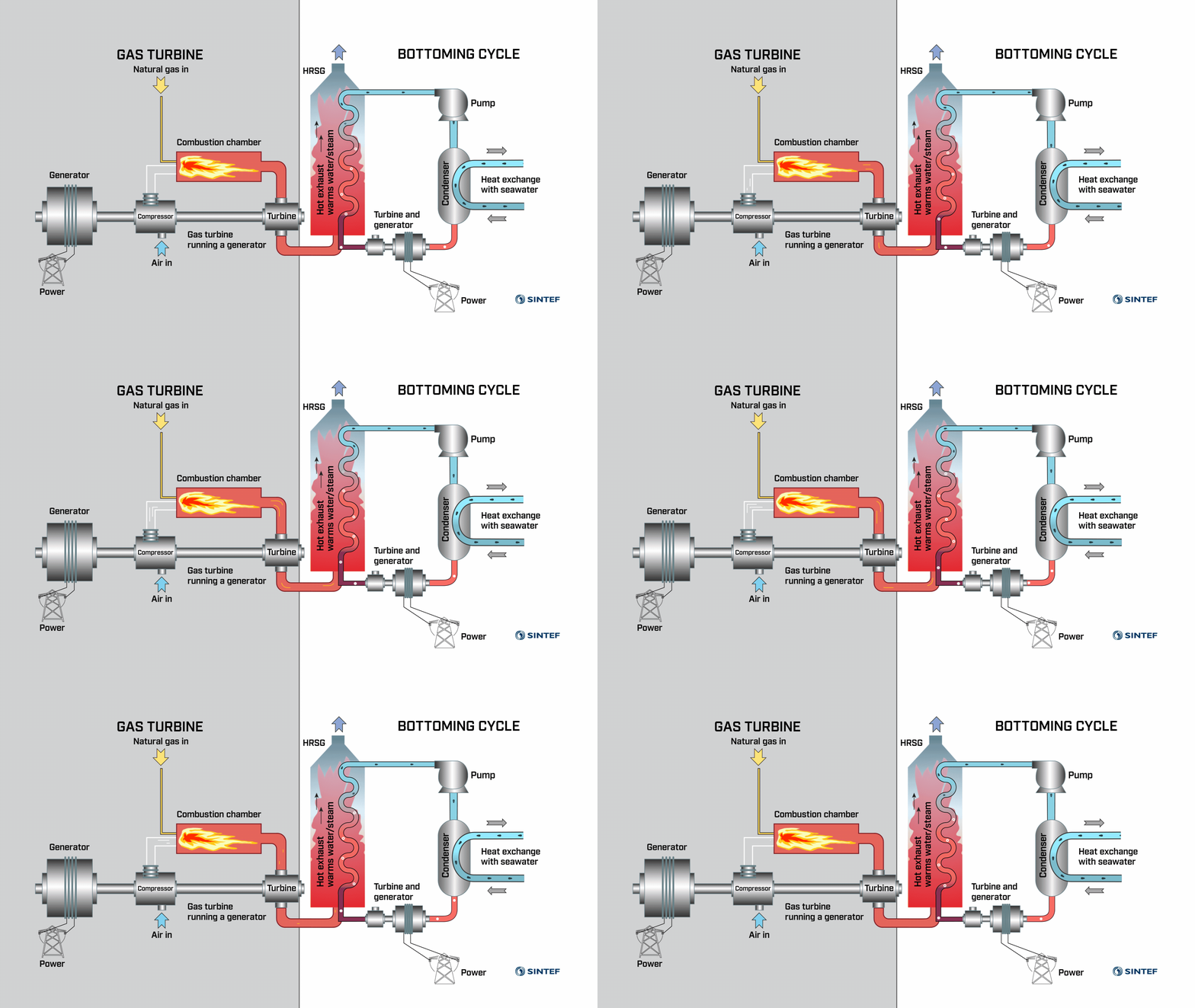
Adding a bottoming cycle to a gas turbine – together called ‘combined cycle’ – can increase the fuel efficiency by 33% and thereby reducing CO2 emissions by 25%.
The technology is now being deployed on Statfjord C where two gas turbines will be replaced with heat recovery to produce electric power. It will be up and running in 2026 and will reduce annual CO2 emissions by 95,000 tonnes. This 25% cut in total annual CO2 emissions on Statfjord C is roughly the equivalent to removing 50,000 cars from Norway’s streets.
But why aren’t we installing bottoming cycles on more platforms already?
Well, due the limited operational experience from these combined systems there are numerous challenges that need to be solved, which LowEmission research is contributing to in three major ways:
Space on platforms is limited and there are limitations on weight in brownfield offshore applications, so finding ways to reduce weight and size is incredibly important for adding bottoming cycles to our current gas turbines. LowEmission is currently working on an in-depth understanding of how designing for reducing weight and size affects the platform’s ‘process’ – the series of operations used to treat and handle the oil, gas, and water that are extracted from the subsurface reservoirs beneath the seafloor. Advance process modelling and optimisation tools are being utilised to address several process configurations and heat exchangers designs for once through steam generators (OTSGs). While focus is normally on water and steam as working fluid in the bottoming cycle (since it is the one with higher TRL for this technology), we are also systematically assessing alternative working fluids, including Organic Rankine Cycles and supercritical CO2, which could be more mature in the long term, and potentially further reduce weight.
Designing efficient combined cycle gas turbines (CCGTs) includes developing effective control strategies for their operation. We can analyse this – before the systems are even built – by using advanced dynamic modelling and simulation with systematic assessment of process control options. One of the key challenges we’re addressing lies at the intersection of design and operation, where we must consider system reliability and operability, including maintenance demands from flexible operation and the replacement of components as they reach the end of their designed lifetime.
We are exploring how this new technology can be combined with other energy efficiency and low carbon solutions. For offshore wind, the focus has been on developing advance control methods of the combined cycle for flexible and efficient operation, including the implementation of model predictive control. We have also explored the effect of use of zero-carbon and low-carbon fuels on the performance of compact combined cycles for power generation.
They are not, however, the only possibilities for improved energy efficiency of power generation on the Norwegian continental shelf. We can also find ways to reduce the amount of energy we need for offshore operations.
Energy efficiency in operations: Early water removal, optimised well design, and ultralong transport lines
Cutting the energy needed for offshore tasks is a major benefit, no matter the energy source. Offshore tasks vary widely, but we’ve focused our attention on making processing more energy efficient, the most energy intensive part of today’s offshore operations.
One of the big issues of energy efficiency in operations is water injection and production. When analysing the transporting of so-called ‘produced fluids’ – a mixture of oil, water, and gas – we quickly see that one of the main energy consumers is the extraction and transportation of water from the well.
This is a huge waste of energy, since water is not only a worthless byproduct but its removal from reservoirs also causes a loss of pressure. That pressure loss must then be compensated by reinjecting water into the reservoir, which requires significant energy, as reinjection pumps are the second-largest energy consumer in oil and gas production after gas compression.
We are therefore investigating how the drainage operation can be optimised and technologies for early water removal – such as well inflow devices, in-well and subsea water separation – which could drastically reduce energy usage for operators on the Norwegian continental shelf.
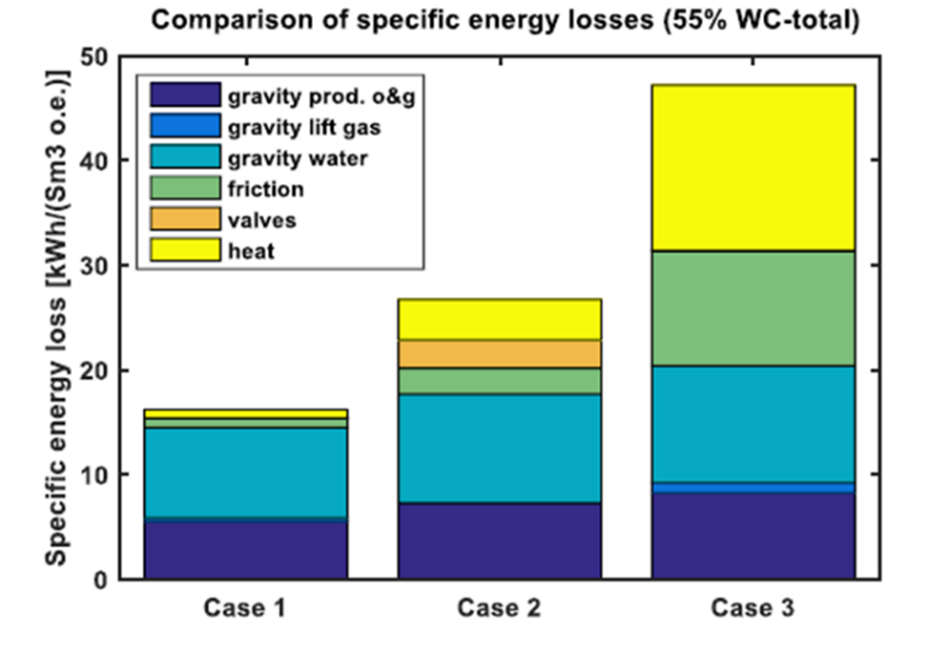
We are also studying the effect well design can have on energy efficiency. If a well is designed for high plateau productions rates – the first years when extraction is easier – it will typically be bigger than what’s most efficient for the rest of well’s lifespan and can cause unstable production. The well path is also important as, if done correctly, it can support a natural gas lift effect which further saves on energy usage.
Then there is the most radical technology we are studying in this part of LowEmission: the realisation of ultralong transport lines.
In the absolute best-case scenario for processing, produced fluids would be transferred directly from the underwater wells to shore – with no offshore platforms or logistics needed, eliminating their emissions by a 100%!
This isn’t possible today, however. The mixture of oil, water, and gas does not flow smoothly over long distances. Problems like the loss of pressure, separation into fluctuating gas and liquid pockets, and deposits forming – which in worst-case-scenarios can block the pipeline – all increase with distance. Through our research, we are currently building the foundation to help overcome these issues to unlock the benefits of longer transport lines.
And we don’t even need to make advancements all the way to shore to be effective in saving energy, costs, and emissions. Being able to have processing further away from wells could lead to more centralisation, creating more efficient hub platforms supplied with production fluids from many different satellite fields.
Unlocking offshore energy efficiency through research, collaboration, and incentives
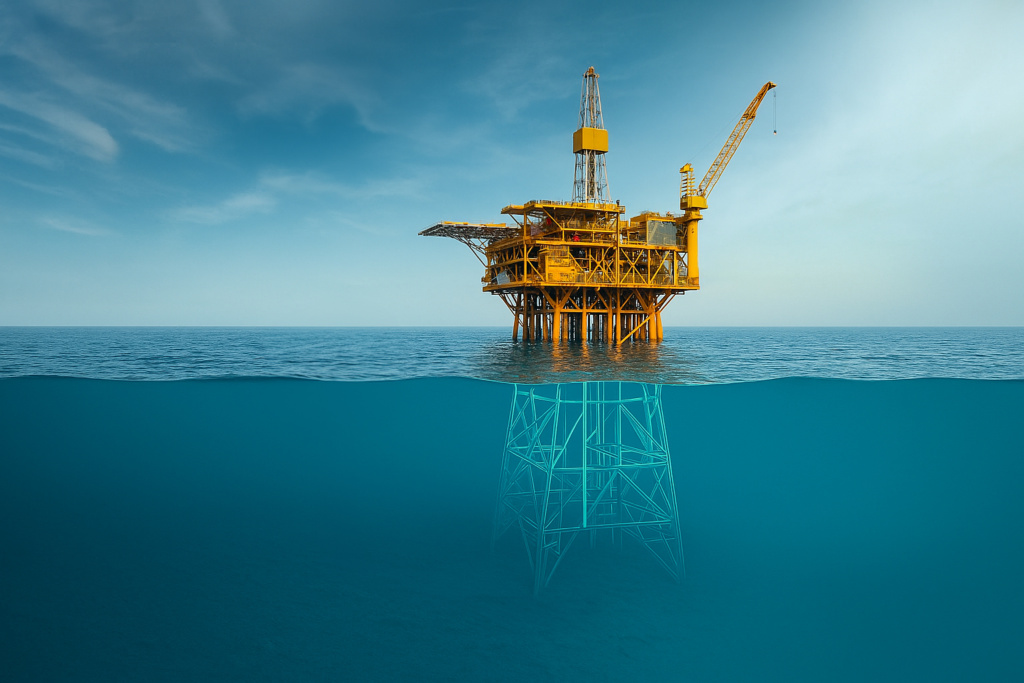
The examples we have discussed here are only a fraction of the vast potential energy efficiency holds offshore. We are also researching topside energy losses related to pressure and temperature, integration of renewable energy through flexible production, and many other solutions.
What makes this work possible is the close collaboration between research and industry, enabled by a forward-looking research policy. Validating and testing new technologies in partnership with operators and suppliers is crucial for moving ideas from the lab to offshore installations – and funding mechanisms like the Research Council of Norway’s petroleum research centres have been essential for achieving this technology development and emission cuts.
The efficiency measure from LowEmission alone have the potential to reduce emissions by at least 30-50%, and the benefits are not confined within the centre itself. Spin-off projects such as the Digital Twin KSP, which is advancing model predictive control and machine learning for anomaly detection, and the Demo OTSG pilot project, which will demonstrate a compact once-through steam generator as a core component of offshore combined cycles, are important developments which would not have happened without a strong research centre.
The energy-efficiency technologies discussed represent a highly effective and, in principle, not overly costly path toward reducing emissions. At the same time, to keep this development going and sustainable, sufficient incentives – for example carbon tax – are needed for “making the business case” of emission reduction. By combining targeted research, strong industry engagement, and supportive policies, energy efficiency can deliver both immediate reductions in CO₂ emissions and long-term savings on CO₂ costs.






Comments
No comments yet. Be the first to comment!