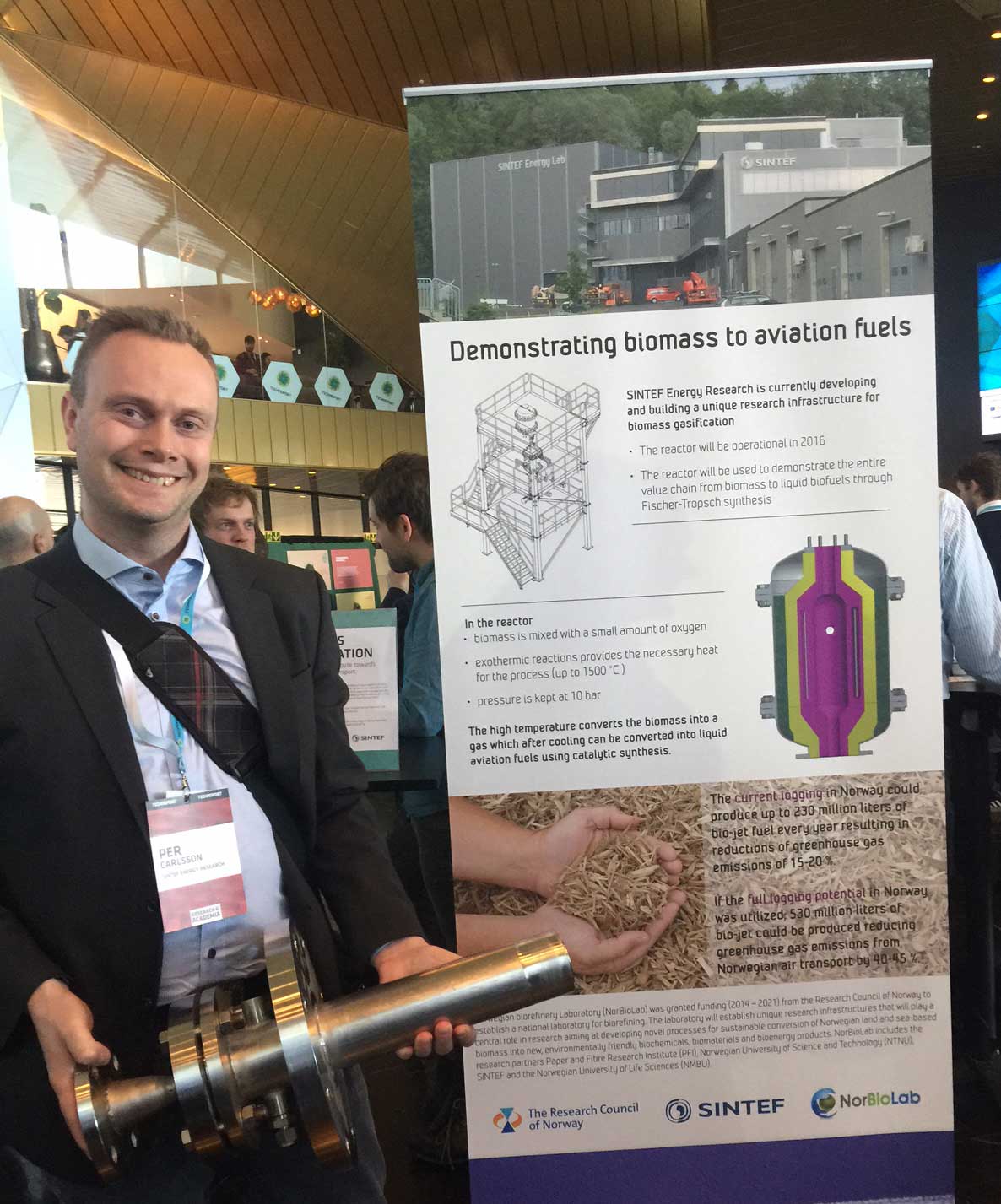

Bio-jet fuel: Today I brought a cool gadget to Technoport 2016: a burner assembly for the new gasification reactor. Pretty soon we will have a unique research infrastructure for biomass gasification at SINTEF Energy Lab. Simply put we will make the building blocks for bio-jet fuel. But more about that later.
Simply put we will make the building blocks for bio-jet fuel.
Technoport is an annual conference in Trondheim that brings together 700 researchers, investors, entrepreneurs, students and business in the private and public sector.
Bio-jet fuel has a big green potential
The current logging in Norway could produce up to 230 million liters of bio-jet fuel every year resulting in reductions of greenhouse gas emissions of 15-20 %. If the full logging potential in Norway was utilized; 530 million liters of bio-jet fuel could be produced reducing greenhouse gas emissions from Norwegian air transport by 40-45 %.
If the full logging potential in Norway was utilized; 530 million liters of bio-jet fuel could be produced reducing greenhouse gas emissions from Norwegian air transport by 40-45 %.
New biomass gasification reactor
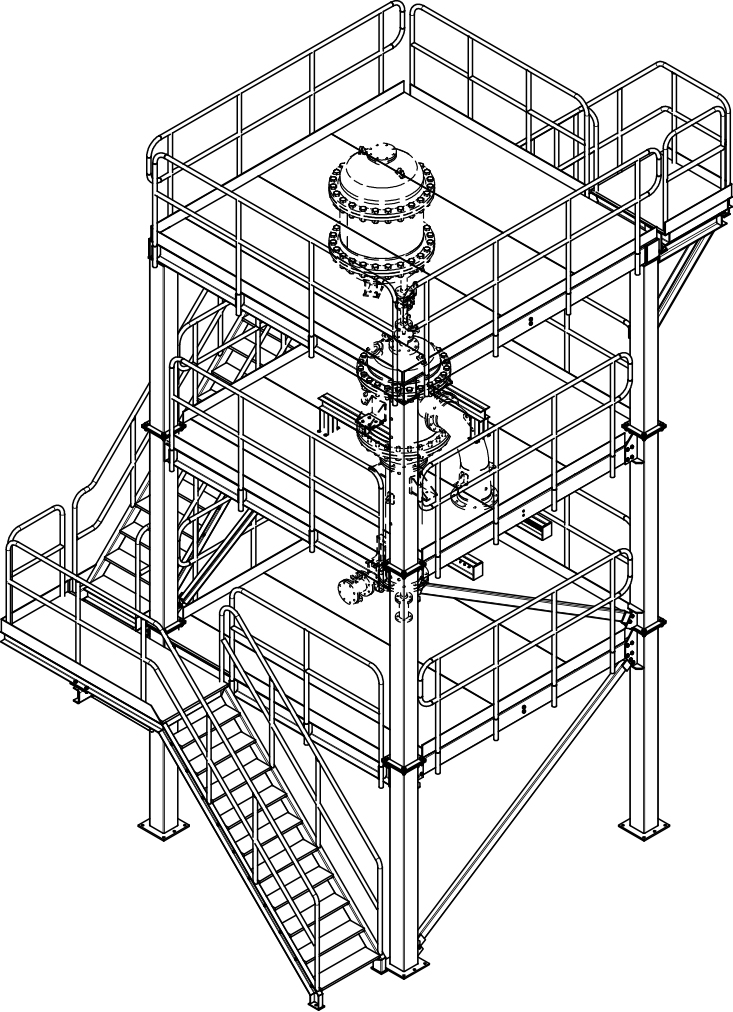
SINTEF Energy Research is currently developing and building a unique research infrastructure for biomass gasification. The infrastructure is designed to convert difficult fuels into gas such as fuels with high ash content, demolition wood or waste from process industry.
- The reactor will be operational in 2016
- The reactor will be used to demonstrate the entire value chain from biomass to liquid biofuels through Fischer-Tropsch synthesis
How it works
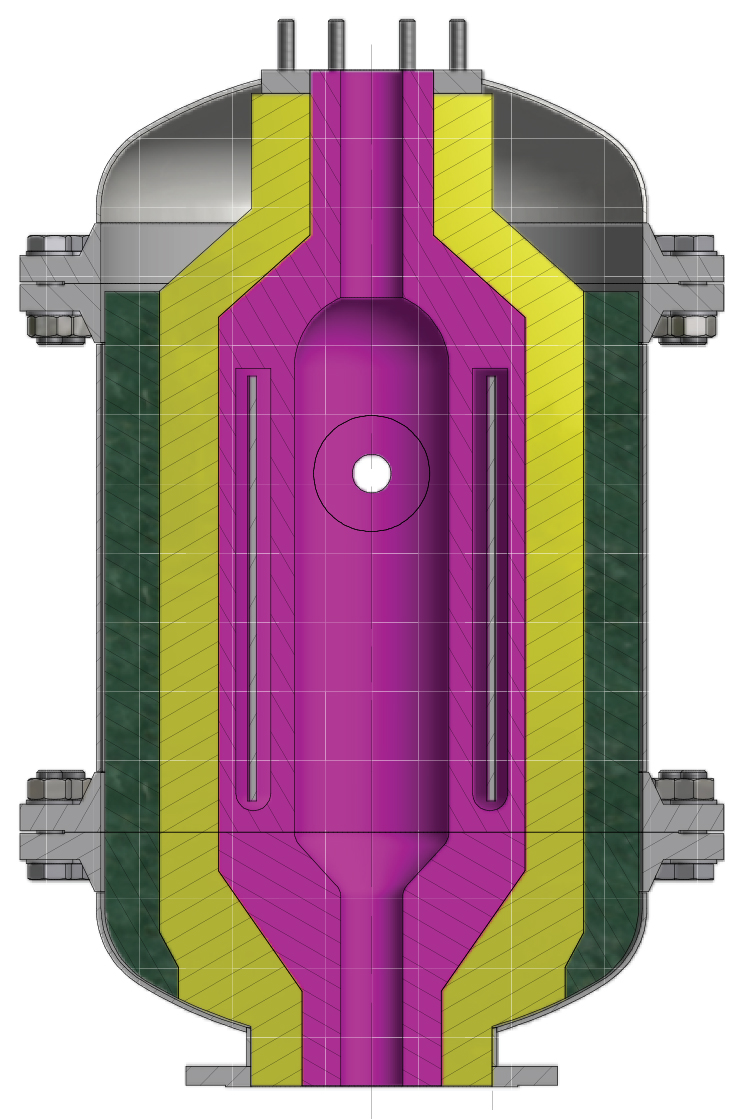
In the reactor
- biomass is mixed with a small amount of oxygen
- exothermic reactions provides the necessary heat for the process (up to 1500 °C )
- pressure is kept at 10 bar
The high temperature converts the biomass into a gas which after cooling can be converted into liquid aviation fuels using catalytic synthesis.
The infrastructure is a part of Norwegian biorefinery Laboratory (NorBioLab). It was granted funding (2014 – 2021) from the Research Council of Norway to establish a national laboratory for biorefining. The laboratory will establish unique research infrastructures that will play a central role in research aiming at developing novel processes for sustainable conversion of Norwegian land and sea-based biomass into new, environmentally friendly biochemicals, biomaterials and bioenergy products. NorBioLab includes the research partners Paper and Fibre Research Institute (PFI), Norwegian University of Science and Technology (NTNU), SINTEF and the Norwegian University of Life Sciences (NMBU).
Want to know more about our expertice on Gasification?








Comments
No comments yet. Be the first to comment!