Bridging the gap between science and industry relevance, is a key task for BIGCCS. BIGCCS is in its final year, thus communicating results and findings from the research, and discussing solutions with the industry is extra important. One way to disseminate results and discuss them with the industry is through the 14 webinars we are hosting before the summer.
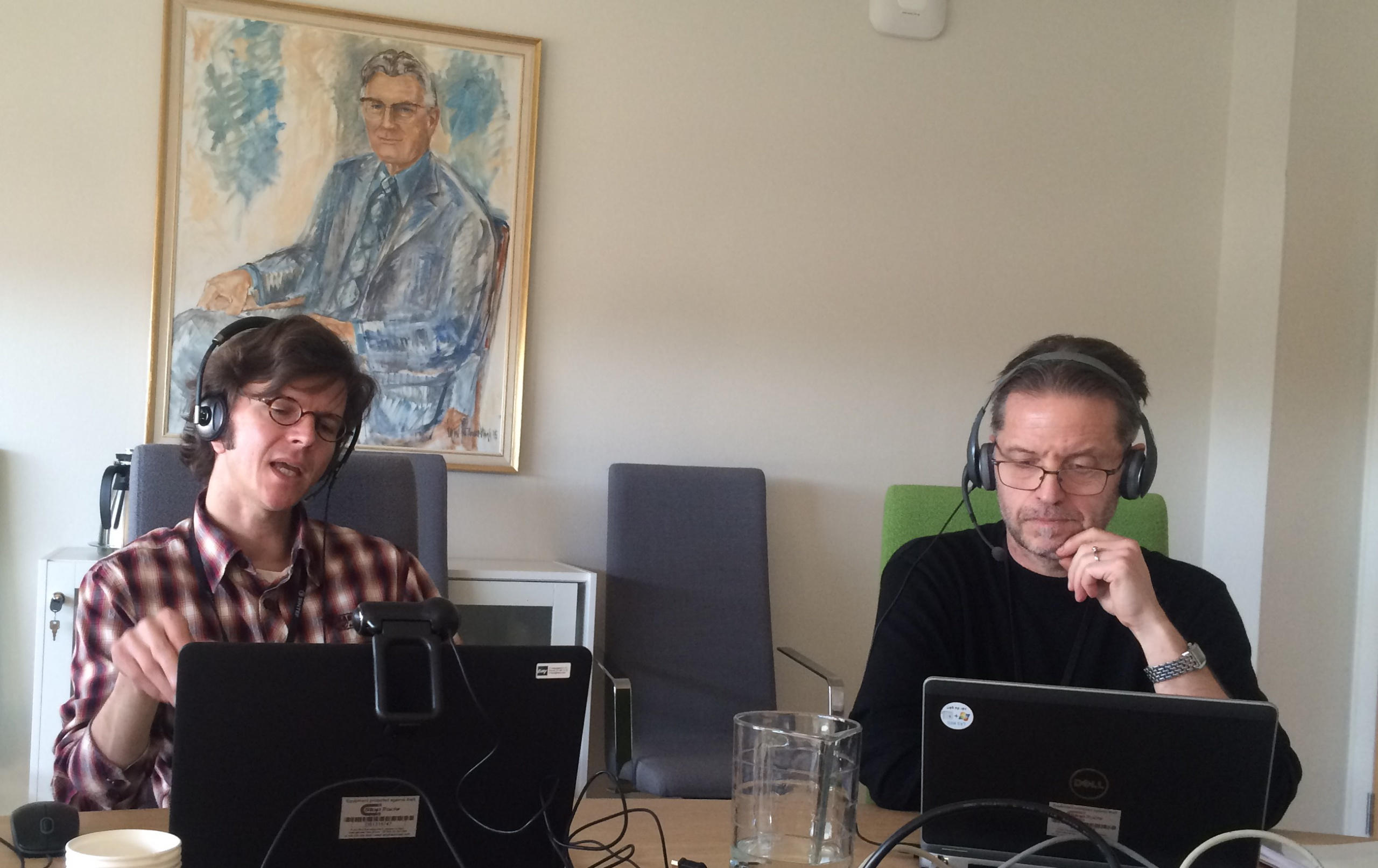
The first BIGCCS Webinar, held on April 13, was titled “Knowledge for safe and efficient CO2 transport”, and was given by Chief Scientist, Dr. Svend Tollak Munkejord, SINTEF Energy Research. His presentation focused on ongoing activities and results from the BIGCCS sub-program CO2 Transport.
The webinar had 14 participants, and all BIGCCS industrial partners and the Norwegian Research Council participated.
Discussing industrial relevance of research
After the presentation, the participants were invited to ask questions and discuss with the presenter. Among other questions, the industrial relevance of the research activities was raised as an issue. Representatives from the industry confirmed that the activities and results presented by Dr. Munkejord definitely are of relevance.
Since this was the first time BIGCCS used the webinar tool as a means of disseminating results from its activities, we were excited about the quality of the tool and the reactions from the participants. Feedback from several of the attendees right after the webinar gave proof that they were also very satisfied with the tool. Compliments were received both for an excellent presentation and for how the webinar system worked.
Two additional webinars have been held:
- “Enabling CO2 capture through integrated techno-economic assessments: The example of post-combustion membrane” (by Simon Roussanaly on April 14)
- “CO2 injection well integrity” (by Malin Torsæter on April 22)
Feedback from participants to all three webinars have been overwhelmingly positive, and has strengthened our conviction that this is an effective way to disseminate results from research activities.
More to come
BIGCCS plans to host a series of webinars before the summer. They will be about subject such as:
- H2 production with CO2 capture
- precipitating solvent system for CO2 absorption
- enabling hydrogen-fired gas turbines
- ceramic hydrogen permeable membranes for pre-combustion CCS
- affordable carbon capture with Chemical Looping Combustion (CLC)
- and much more. Find the complete list of webinars here.
The webinar series is open to individuals from all BIGCCS partners. If you still do not receive an invitation, just send me an e-mail, and the next invitation will soon find you. Invitations are sent two weeks (give or take a couple of days) before the event.
- Our partners can join the webinars via smartphone and tablet

Comments
No comments yet. Be the first to comment!